

Sociability:
Protectiveness:
Territoriality:
Prey Drive:
Sensitivity:
Good with Children:
Good with Adults:
Good with Dogs:
Good with Pets:
Good with Strangers:
Socializing your Australian Shepherd from an early age is important. It helps build confidence and teaches them to navigate the world. Proper socialization increases sociability, reduces anxiety, fear, and aggression, and helps manage their instincts effectively.
Australian Shepherds are energetic, intelligent, and protective. These traits influence how they socialize. This step-by-step guide will walk you through the socialization process, ensuring your Aussie becomes a well-adjusted member of your family.
Step 1: Start at Home
Create a safe space for your Aussie at home. A comfortable and secure environment helps them feel at ease and reduces stress. This is essential for successful socialization, letting your Aussie become confident in their surroundings.
Introduce your Aussie to new sights, sounds, and smells within the household. Familiarize them with common noises like the vacuum or doorbell. Exposure to these stimuli helps them adapt and reduces sensitivity to unexpected sounds.
Encourage positive interactions with family members and household pets. Use positive reinforcement to reward calm behavior. This teaches your Aussie to associate people and other pets with positive experiences, laying the foundation for future social interactions.
Sample Australian Shepherd home socializaion schedule:
- Morning: Introduce household sounds, like the coffee grinder or vacuum
- Afternoon: Reward calm interactions and play with friends
- Evening: Supervise exploration of a different room with unfamiliar scents
Step 2: Introduce New People & Animals
Invite friends over one at a time to gradually expose your Aussie to new people. Let your dog approach on their terms, reducing stress and building confidence in social settings.
Arrange controlled dog meetings by using scent items and choosing neutral territories. This helps your Aussie get used to other dogs gradually, ensuring a more positive experience.
Encourage positive interactions by rewarding calm behavior during introductions. Use treats and praise to reinforce good manners, helping your Aussie become comfortable with unfamiliar faces.
Step 3: Take Your Dog on Walks
Expose your dog to various stimuli during walks. Introduce them to different people, animals, objects, sights, and sounds. This broadens their understanding of the world and reduces anxiety in new environments.
Leash train your Aussie by maintaining a loose leash. Prevent pulling, lunging, and tangling to ensure a positive walking experience. This teaches obedience and control, important for socialization.
Increase exposure gradually based on your Aussie’s comfort level. If fearful or distracted, reduce exposure. If adventurous and enthusiastic, increase exposure. This builds confidence and adaptability.
Step 4: Visit New Environments
Explore locations like parks, shops, and cafes with your Aussie. This introduces them to new environments and broadens their social experiences.
Increase distractions by incorporating animals, people, and moving objects into outings. This helps your Aussie become more adaptable and less reactive to changes in their surroundings.
Keep sessions short and positive to maintain focus and attention. Avoid overwhelming your Aussie by ending on a positive note, ensuring they associate outings with enjoyable experiences.
Step 5: Monitor & Manage Stress
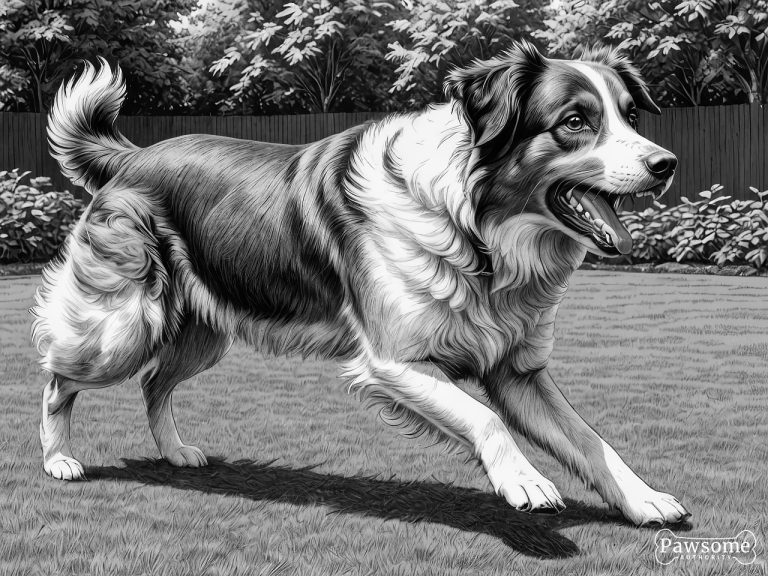
Recognize signs of stress such as fear, anxiety, or aggression in your Aussie. Being aware of these signs helps you address them promptly.
Remove your Aussie calmly from overwhelming situations. Reassure them and try again later. This prevents negative associations and builds trust.
Use calming techniques like treats, toys, and a soothing voice. These tools provide a sense of security and help manage stress effectively.
Common Australian Shepherd stress signs:
- Fear
- Anxiety
- Aggression
- Restlessness
- Panting
- Trembling
- Pacing
Step 6: Maintain Socialization
Continue regular exposure through scheduled walks, playdates, and outings. Consistency is key to maintaining your Aussie’s social skills.
Reinforce positive behavior in new situations. Reward calm and confident behavior with treats and praise, encouraging your Aussie’s eagerness to please.
Incorporate socialization into daily routines by combining playtime with training and including your Aussie in errands. This makes socialization part of their everyday life.
Mistakes to Avoid
Using negative reinforcement can hinder your Aussie’s socialization. Focus on positive reinforcement to encourage desired behaviors.
Forcing socialization can create stress and fear. Let your Aussie socialize at their own pace without pressure.
Being inconsistent with socialization can create confusion. Maintain a regular schedule to reinforce learned behaviors.
Lacking variety and diversity in social experiences can limit your Aussie’s adaptability. Introduce them to a wide range of environments and situations.
Isolating and secluding your Aussie can lead to fear and anxiety. Regular exposure to different social settings is essential for a well-adjusted dog.
Frequently Asked Questions
How Long Does It Take to Socialize an Australian Shepherd?
Socializing your Aussie typically takes 2 to 4 months. However, this can vary based on exposure. Start between 8 to 12 weeks old when they are most receptive to new experiences.
Why Might My Australian Shepherd Be Slow to Socialize?
Individual temperament affects socialization speed. Negative experiences or forced socialization can cause reluctance. Inconsistent socialization leads to unpredictability and confusion.
How Can I Tell if My Australian Shepherd Is Overwhelmed During Socialization?
Recognize stress signs like panting, pacing, or trembling. If your Aussie is overwhelmed, remove them from the situation, reassure them, and try again later. Refer to the checklist of stress signs for guidance.
What Happens if I Don't Socialize My Australian Shepherd?
Unwanted behaviors, such as fear, anxiety, or aggression, can develop. Aussies may become wary of strangers, new environments, and other dogs if not properly socialized.


