

Territoriality:
Sensitivity:
Obedience:
Trainability:
Stubbornness:
Attention Span:
Potty training your English Springer Spaniel helps develop independence and hygiene habits. A well-trained Springer will avoid accidents and keep your home clean. This process requires patience and consistency, but the result is a happier, healthier dog.
Springers are friendly, energetic, and intelligent dogs. Their eagerness to please makes them trainable. However, their high sensitivity requires gentle handling. This guide will walk you through a step-by-step process of potty training your Springer, considering their unique traits.
Step 1: Choose a Potty Spot
Selecting the right potty spot is essential. Choose a location with suitable terrain and minimal distractions. Ensure the area is easily accessible for your medium-sized Springer. Their intelligence and eagerness to please will help them adapt quickly to the chosen spot.
Introduce your Springer to the potty spot using a leash. Use a consistent command like “toilet” or “go potty” to establish a connection. This introduction is important for creating a routine that your Springer will understand and follow.
Positive associations are important. Reward your Springer right after they use the potty spot. Positive reinforcement links the act with a positive outcome, encouraging them to repeat the behavior. This method aligns with their food-motivated and obedient nature.
Step 2: Establish a Routine
Setting a daily schedule is important for potty training your Springer. A consistent routine creates an expectation for them and reduces anxiety and confusion about when and where to go. It also speeds up your Springer’s learning while strengthening the bond with your dog.
Time potty breaks appropriately, every 2 to 3 hours and 15 to 20 minutes after meals. This timing matches your Springer’s bodily functions and helps prevent accidents. Their energetic nature means they may need more frequent breaks.
Reinforce the schedule by sticking to it every day, including weekends. Consistency is key to helping your Springer understand and follow the routine. Their eagerness to please and intelligence will make this process smoother.
Sample English Springer Spaniel potty training schedule:
- 7:00 AM: Morning potty break
- 9:00 AM: Mid-morning potty break
- 12:00 PM: Noon potty break
- 3:00 PM: Early afternoon potty break
- 6:00 PM: After dinner potty break
- 9:00 PM: Evening potty break
Step 3: Supervise Closely
Monitor your Springer inside to prevent accidents. Keep them close by or use a leash indoors. If you cannot supervise, use a crate. Take them to their potty spot when they show signs of needing to go.
Recognizing signs your Springer needs to go is essential. Look for body language cues like circling, sniffing, or squatting. Being proactive helps prevent accidents and reinforces the training process.
Using a leash in the yard keeps your Springer close until they are trained. Direct them to the potty spot and treat this time the same as indoor supervision. This consistency helps solidify their training.
Common English Springer Spaniel elimination signs:
- Circling
- Sniffing
- Pacing
- Whining
- Barking
- Squatting
- Scratching
Step 4: Handle Accidents
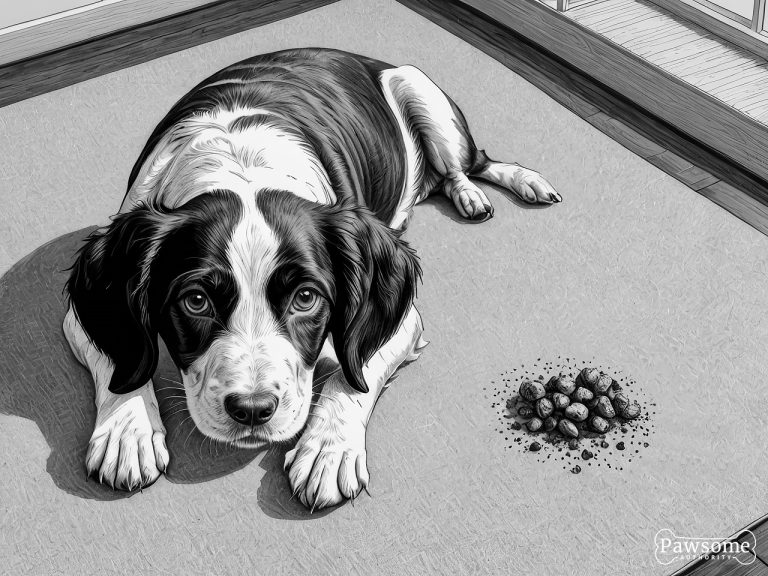
Stay calm and avoid punishment when accidents occur. Springers are highly sensitive, and harsh responses can lead to fear and anxiety. Use a calm voice and gentle actions, and take them to the potty spot immediately.
Clean up accidents properly using an enzymatic cleaner. This removes the odor and prevents your Springer from being drawn back to the same spot. Prompt cleaning is important for maintaining a clean environment.
Learn from mistakes by identifying patterns or triggers that cause accidents. Adjust the schedule to prevent future incidents. Understanding your Springer’s routine and adapting quickly aids in successful potty training.
Step 5: Increase Freedom
Expand your Springer’s freedom gradually, allowing access to one room at a time. Avoid moving too quickly, as this can overwhelm them. Their intelligence and eagerness to please will guide their progress.
Monitor progress by observing how often they use the potty spot. If your Springer consistently uses it, increase their freedom. If accidents occur, restrict their access until they return to their routine.
Maintain consistency in your training approach. Stick to the established routine, reinforce positive behavior, and reward immediately. Consistency is key to ensuring your Springer remains reliably potty trained.
Mistakes to Avoid
Ignoring signs of elimination can lead to accidents and slow progress. Being attentive to your Springer’s cues is important for successful potty training.
Using negative reinforcement can harm your Springer’s sensitive nature. Positive methods encourage better results and stronger trust.
Rushing the process can cause confusion and setbacks. Taking time ensures your Springer learns and adapts to the routine.
Changing the potty spot can disrupt your Springer’s understanding. Consistency in location is important for forming strong hygiene habits.
Being inconsistent with the potty schedule can confuse your Springer. Adhering to a routine helps them learn and anticipate breaks.
Frequently Asked Questions
How Long Does It Take to Potty Train an English Springer Spaniel?
Potty training a Springer can take 4 to 6 months. Start between 8 to 16 weeks old when they have gained some control over their bladder and bowels. Patience and consistency will help, but some dogs may take longer.
Why Might My English Springer Spaniel Be Slow to Potty Train?
Your Springer’s individual temperament, such as being playful or energetic, may affect training speed. Health issues like urinary tract infections can also slow progress. Negative experiences or inconsistent training leads to confusion.
Should I Use Pee Pads When Potty Training My English Springer Spaniel?
Pee pads can be a temporary solution, but use them sparingly. Transition your Springer to outdoors to prevent unhealthy reliance on eliminating inside.
What Should I Do if My English Springer Spaniel Keeps Having Accidents Indoors?
Revisit your Springer’s training routine and ensure consistency. Supervise closely, using a leash indoors if needed. Clean accidents thoroughly with an enzymatic cleaner to remove odors and reduce repeat incidents.


