
Barking:
Protectiveness:
Territoriality:
Prey Drive:
Sensitivity:
Separation Anxiety:
Obedience:
Trainability:
Stubbornness:
Attention Span:
Behavior training your German Shepherd is essential for ensuring their safety and enhancing their quality of life. Proper training builds confidence, reduces stress and anxiety, and strengthens the bond between you and your dog.
German Shepherds are known for their loyalty, intelligence, and courage, making them highly trainable. This guide will walk you through a step-by-step process of effectively behavior training your GSD.
Step 1: Assess the Current Behavior

To start, identify the specific behaviors your German Shepherd shows. Pay attention to emotions, frequency, and intensity. The breed’s protectiveness and territoriality can influence how often they bark or show other behaviors.
Understanding your GSD’s temperament is important. They are confident and obedient, but their highly sensitive nature may lead to behaviors like separation anxiety. Observing their reactions will guide your training approach.
Common German Shepherd behaviors:
- Barking: Typically from seeking attention or alerting to perceived threats
- Separation Anxiety: Often because of a fear of being left alone or over-attachment
- Chewing: Typically from teething or exploring an environment with their mouth
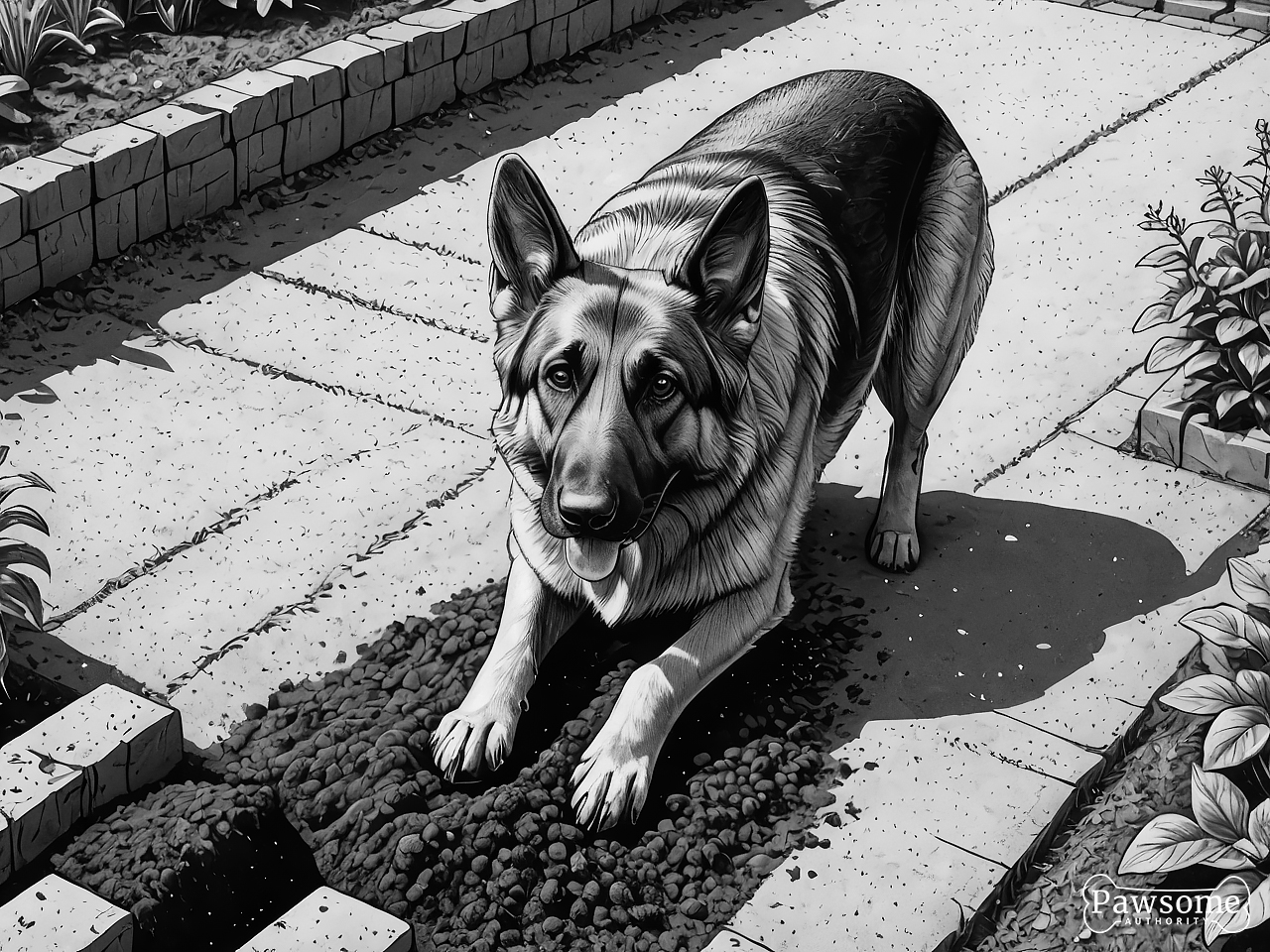
- Digging: Can stem from instinctual behavior or trying to bury food or toys
- Aggression: Can stem from perceived threats or poor socialization
Step 2: Understand the Motivation
Identifying the root cause of your GSD’s behavior is essential. Notice triggers, contexts, and patterns, considering their loyalty and protectiveness as potential influences.
Understanding your dog’s emotional state can guide your training. German Shepherds can experience intense fear, excitement, or anxiety, affecting how they respond to specific situations.
Assess environmental factors contributing to unwanted behaviors. Lack of stimulation or exercise may lead to chewing or digging. Addressing these factors can help manage your GSD’s energy levels.
Step 3: Establish a Routine
Set a daily schedule for training sessions. Conduct 2 to 3 short sessions daily, about 10 to 15 minutes each, focusing on behaviors to change. Consistent routines help GSDs, given their eagerness to please.
Select appropriate equipment for training. A leash, harness, or head halter can provide the necessary control while catering to your German Shepherd’s strength and obedience.
Reinforcing the training schedule is key. Conduct sessions at the same time on weekdays and weekends to establish predictability and consistency for your dog.
Sample German Shepherd behavior training schedule to stop jumping up on people:
- Morning: Reinforce the “sit” and “stay” commands 3 times each
- Afternoon: Invite a friend or family member to help practice calm greetings
- Evening: Practice the “off” command and alternative behaviors
Step 4: Change the Behavior
Desensitize your GSD to triggers in a controlled environment. Gradual exposure paired with rewards can help them associate positive experiences with previously challenging situations.
Use basic German Shepherd obedience commands like “sit,” “stay,” and “come” to reinforce desired behaviors. Build on these with advanced commands like “down,” “off,” and “leave it,” considering their trainability and intelligence.
Introduce alternative behaviors to redirect your dog’s focus. Encourage desirable actions and discourage unwanted ones by rewarding positive behaviors.
Changing common German Shepherd behaviors cheat sheet:
- Barking: Use the “quiet” command, provide mental stimulation
- Separation Anxiety: Provide comfort items, keep arrivals/departures low key
- Chewing: Remove temptations, offer chew toys
- Digging: Supervise outdoor activities, offer toys or puzzles
- Aggression: Improve socialization, provide consistent training
Step 5: Normalize the Behavior
Reinforce positive behavior by rewarding your GSD immediately. Gradually decrease the frequency of rewards as they consistently show the desired behavior.
Increase challenges by introducing new environments and distractions. Gradually raise the difficulty level to strengthen your German Shepherd’s focus and adaptability.
Be consistent in your training approach. Use the same cues and responses to avoid mixed signals. Patience and persistence are important for long-term success.
Step 6: Maintain Behavior Training
Continue regular training sessions to refresh commands and ensure consistency. Short, frequent sessions can help reinforce the training your GSD has received.
Incorporate behavior training into daily life by issuing obedience commands before meals or walks. This practice reinforces their training and strengthens your bond.
Adjust your training approach as your GSD progresses through life stages. Change rewards and simplify techniques to maintain engagement and effectiveness.
Mistakes to Avoid
Changing commands or rules can confuse your GSD. Stick to established commands to ensure clarity and consistency.
Holding long training sessions can lead to frustration. Short, focused sessions align better with a German Shepherd’s attention span.
Using negative reinforcement can harm your bond. Positive reinforcement builds trust and encourages desired behaviors.
Skipping or rushing steps in training can hinder progress. Follow each step thoroughly to ensure effective behavior change.
Expecting immediate results can lead to frustration. Training a GSD requires time and patience, given their intelligence and sensitivity.
Frequently Asked Questions
How Long Does It Take to Behavior Train a German Shepherd?
Training a GSD typically takes 4 to 6 months, depending on the behavior type and intensity. Start when unwanted behavior is seen. Some dogs may take longer, emphasizing the importance of patience and consistency.
Why Might My German Shepherd Be Slow to Behavior Train?
A GSD’s temperament, age, and negative experiences can affect training speed. Older dogs may learn slower, while inadequate training or inconsistent approaches can cause confusion and delay progress.
How Can I Stop My German Shepherd From Barking?
Identify your GSD’s barking triggers and use the “quiet” command to manage it. Consistency and positive reinforcement are key to reducing excessive barking.
How Can I Stop My German Shepherd From Chewing?
Redirect your GSD’s focus with chew toys. Encourage alternative behaviors by providing positive reinforcement and maintaining consistency in training.


