
Territoriality:
Sensitivity:
Obedience:
Trainability:
Stubbornness:
Attention Span:
Potty training your German Shorthaired Pointer is essential for developing independence and good hygiene habits. A well-trained GSP helps avoid accidents and keeps your home clean. This guide will help you in effectively training your GSP.
German Shorthaired Pointers are energetic and intelligent, which influences their training. Their eagerness to please makes them responsive to commands. This step-by-step guide focuses on using these unique traits to potty train your GSP successfully.
Step 1: Choose a Potty Spot
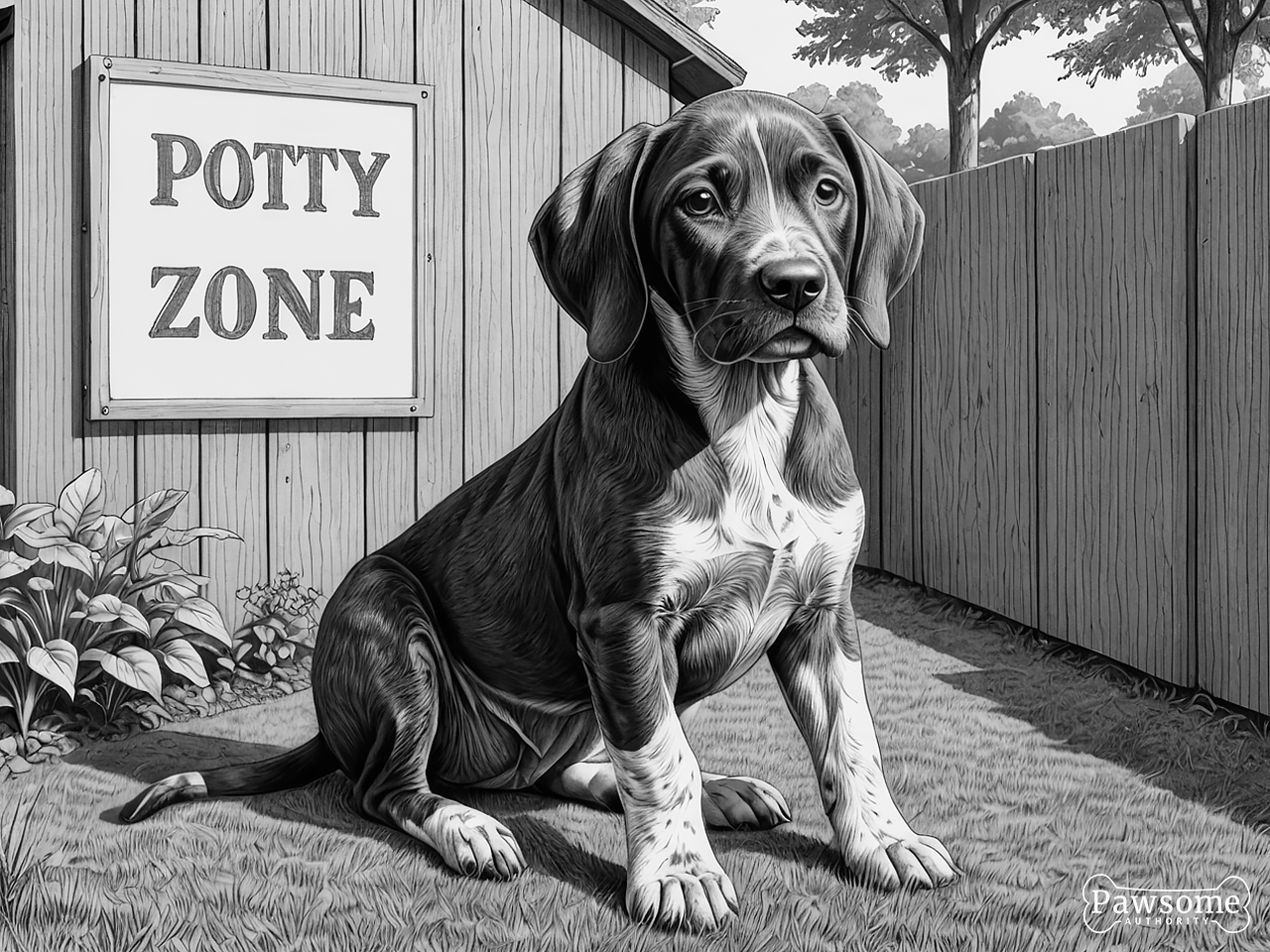
Selecting the right potty spot is important for your German Shorthaired Pointer. Consider areas with minimal distractions and easy accessibility. An appropriate spot helps establish a routine and supports your GSP’s intelligence and eagerness to please.
Introduce your GSP to the chosen potty spot using a leash. Use a consistent command like “toilet” or “go potty” to create a connection. Their intelligence and obedience aid in quick association with this designated area.
Positive associations are key. Reward your GSP right after they use the potty spot. This reinforces the behavior, linking the act with a positive outcome. Their food motivation can be a powerful tool in this process.
Step 2: Establish a Routine
A daily schedule helps your German Shorthaired Pointer develop predictable hygiene habits. This creates a sense of expectation and reduces anxiety and confusion about when and where to go. It also speeds up your GSP’s learning while building a stronger bond with your dog.
Time potty breaks appropriately to prevent accidents. Take your GSP out every 2 to 3 hours and 15 to 20 minutes after meals. Align these breaks with their energetic nature and bodily functions for success.
Consistency is important in reinforcing the schedule. Stick to the routine every day, including weekends. This consistency helps your GSP understand expectations, supporting their obedience and eagerness to please.
Sample German Shorthaired Pointer potty training schedule:
- 7:00 AM: Morning potty break
- 10:00 AM: Mid-morning potty break
- 1:00 PM: Afternoon potty break
- 4:00 PM: Late afternoon potty break
- 7:00 PM: Evening potty break
- 10:00 PM: Bedtime potty break
Step 3: Supervise Closely
Keep close supervision of your German Shorthaired Pointer indoors. Use a leash to monitor them closely, or place them in a crate when unsupervised. Bring them to the potty spot when they show signs of needing to go.
Recognizing signs your GSP needs to go is essential. Look for body language such as circling, sniffing, or squatting. Being proactive helps prevent accidents and aligns with their sensitivity traits.
Using a leash in the yard maintains control and reinforces training consistency. Direct your GSP to the potty spot each time, integrating indoor and outdoor habits seamlessly.
Common German Shorthaired Pointer elimination signs:
- Circling
- Sniffing
- Pacing
- Whining
- Barking
- Squatting
- Scratching
Step 4: Handle Accidents
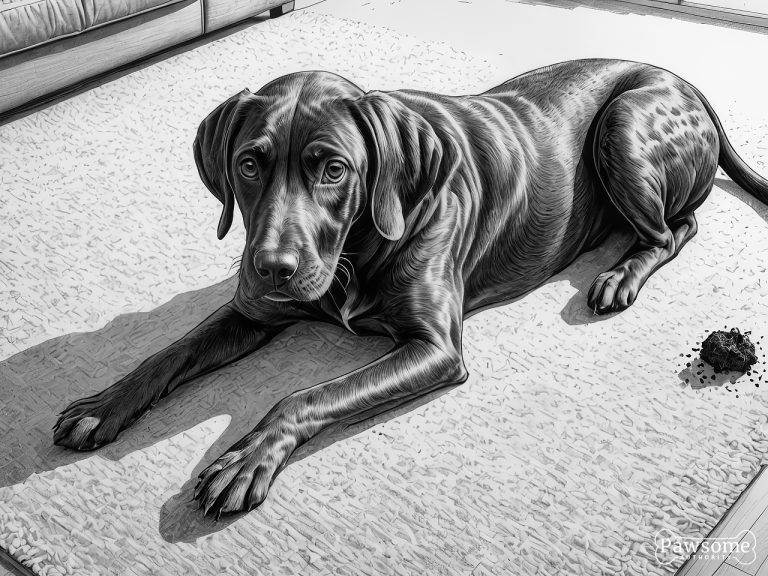
Stay calm and avoid punishment if accidents occur. German Shorthaired Pointers are sensitive and respond better to gentle guidance. Use a calm voice and lead them to the potty spot without fuss.
Properly clean up accidents immediately using an enzymatic cleaner. This removes any lingering odors that may attract your GSP to the same spot again, supporting their territorial instincts.
Learn from mistakes by identifying patterns or triggers that lead to accidents. Adjust the schedule or environment as needed to cater to your GSP’s unique traits and prevent future mishaps.
Step 5: Increase Freedom
Gradually expand your GSP’s freedom by allowing access to one room at a time. Ensure they are trained before increasing their space, aligning with their trainable and energetic nature.
Monitor progress closely. If your GSP consistently uses the potty spot, gradually increase their freedom. Restrict access if accidents occur, tailoring the environment to their individual needs.
Maintain consistency in routine and reinforcement. Reward positive behavior right away, ensuring your GSP understands expectations. Consistency is key to reinforcing their willingness to please.
Mistakes to Avoid
Ignoring signs of elimination can lead to accidents. Pay attention to your GSP’s body language to avoid mishaps.
Using negative reinforcement can create fear and anxiety. Focus on positive methods that encourage your GSP’s enthusiastic and friendly nature.
Rushing the process can hinder your GSP’s development. Give them time to learn and adapt to the potty training schedule.
Changing the potty spot can disrupt your GSP’s learning. Stick to one location to reinforce their understanding of where to go.
Being inconsistent with the potty schedule can confuse your GSP. Maintain a steady routine to support their eagerness to please and trainability.
Frequently Asked Questions
How Long Does It Take to Potty Train a German Shorthaired Pointer?
Potty training a GSP typically takes 4 to 6 months. Start between 8 to 16 weeks old when they have developed some control over their bladder and bowel. Some dogs may take longer. Remain patient and consistent.
Why Might My German Shorthaired Pointer Be Slow to Potty Train?
A GSP’s individual temperament, such as being enthusiastic or sensitive, can affect training speed. Health issues or negative experiences may also hinder progress. Inconsistent training leads to confusion.
Should I Use Pee Pads When Potty Training My German Shorthaired Pointer?
Pee pads can be a temporary solution, but should be used sparingly. Transition your GSP to outdoor training to avoid unhealthy reliance on eliminating inside.
What Should I Do if My German Shorthaired Pointer Keeps Having Accidents Indoors?
Revisit your GSP’s training routine if accidents persist. Ensure consistency and adjust the schedule as needed. Supervise closely, and use a leash or crate when necessary. Clean accidents thoroughly to eliminate odors.


