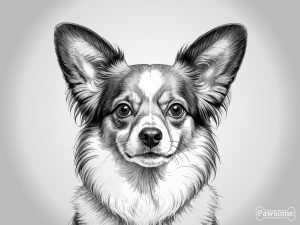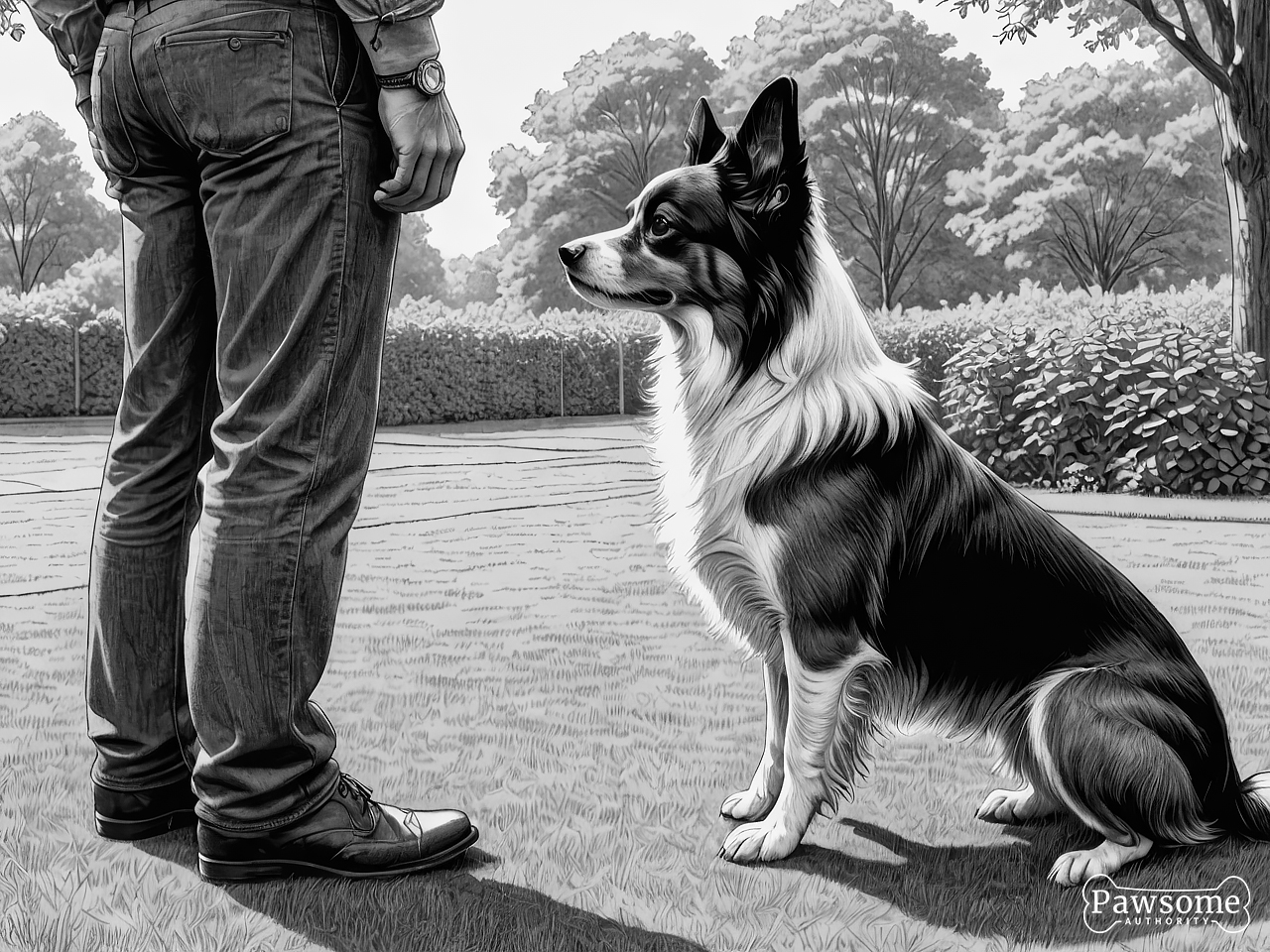
Sensitivity:
Obedience:
Trainability:
Stubbornness:
Attention Span:
Obedience training your Papillon fosters respect, harmony, and clear roles within your household. This process benefits both you and your Pap by establishing leadership, building trust, and instilling discipline. Through training, you strengthen your bond with your energetic companion.
Papillons are intelligent and eager-to-please dogs, making training an enjoyable experience. This Papillon-specific guide provides a step-by-step approach to help you confidently navigate the obedience training process.
Step 1: Choose a Training Method
Understanding your Pap’s temperament is important. This energetic and intelligent breed responds well to positive reinforcement. Their high intelligence and eagerness to please make them quick learners, though their sensitivity requires gentle guidance throughout training.
Selecting the proper equipment is important for your Papillon’s training success. A comfortable harness, a reliable leash, and a clicker can enhance your training sessions. These tools should accommodate the Pap’s extra-small size and high sensitivity to ensure effective learning.
Consistency is key when training your Papillon. Use the same method and equipment to maintain clarity for your Pap. This consistency helps them quickly associate commands with actions, leading to a more obedient and well-behaved canine companion.
Step 2: Establish a Routine
Set realistic goals by starting with simple commands, such as “sit” and “stay.” Gradually introduce more complex commands, considering the Papillon’s learning pace. Their intelligence and eagerness-to-please make them quick learners, so adjust goals as they progress.
Choose a location free from distractions for training your Papillon. A quiet space helps maintain their focus, which is important given their alert and playful nature. Begin training sessions in such environments to foster attentive learning.
Set a daily schedule with 2 to 3 short sessions, each lasting 10 to 15 minutes. Hold these sessions at the same times daily, including weekends. Consistency helps your Pap maintain focus and reinforces the skills they learn.
Sample Papillon basic obedience commands training schedule:
- Morning: Teach the “sit” command 5 times
- Afternoon: Practice the “come” command 5 times
- Evening: Go over the “stay” command 5 times
Sample Papillon advanced obedience commands training schedule:
- Morning: Go over the “off” command 5 times
- Afternoon: Practice the “heel” command 5 times
- Evening: Teach the “no” and “leave it” commands 3 times each
Step 3: Assert Leadership
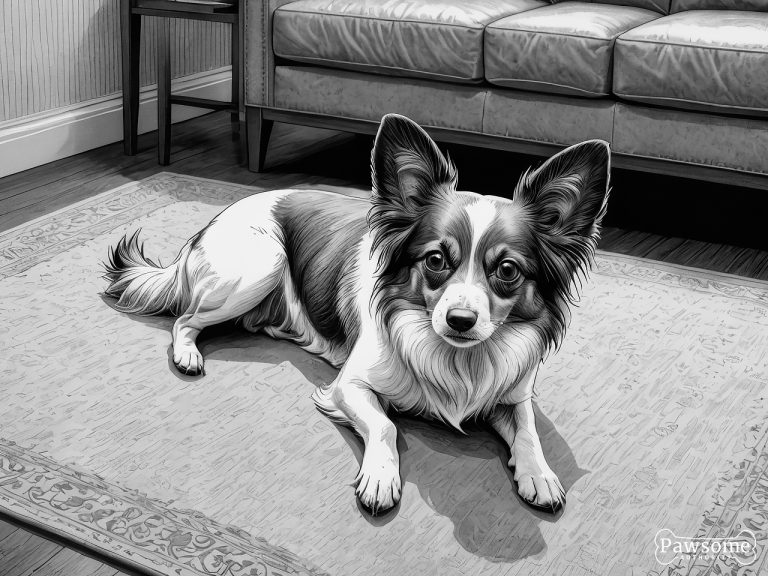
Establishing leadership is essential when training your Papillon. Be firm yet fair in your approach, ensuring your Pap recognizes you as the pack leader. This helps them understand their role and builds a trusting relationship.
Set clear boundaries by defining acceptable and unacceptable behaviors. Papillons are smart and eager-to-please, so clear rules help them understand what is expected. Reinforce these boundaries consistently to prevent confusion.
Reward obedience immediately with positive reinforcement, like treats or praise. Papillons are highly sensitive, so timely rewards encourage them to repeat desired behaviors. This approach strengthens their motivation to obey commands.
Step 4: Teach Basic Commands
Teaching your Pap basic commands like “sit,” “stay,” and “come” is important. These commands not only ensure safety but also reinforce obedience and attentiveness, aligning with the Papillon’s intelligence and eagerness-to-please.
To teach “sit,” hold a treat above your Papillon’s head. Gradually move it back until they naturally sit. Reward immediately to reinforce the behavior. Their intelligence and eagerness make them responsive to this method.
For “stay,” first ensure your Papillon is in a “sit” position. Then, extend your hand and say “stay.” Gradually increase the distance and duration before rewarding. Their attention span aids in mastering this command.
To teach “come,” start with your Pap in a “sit” and “stay” position. Then, enthusiastically call them to “come.” Reward immediately to reinforce the command. Their sociable nature makes them eager to respond.
Papillon basic obedience commands cheat sheet:
- Sit: Hold a treat above the head, command “sit,” reward sitting
- Stay: From the “sit” position, say “stay,” step back, reward staying
- Come: From the “sit” and “stay” positions, say “come,” reward arrival
Step 5: Expand Commands
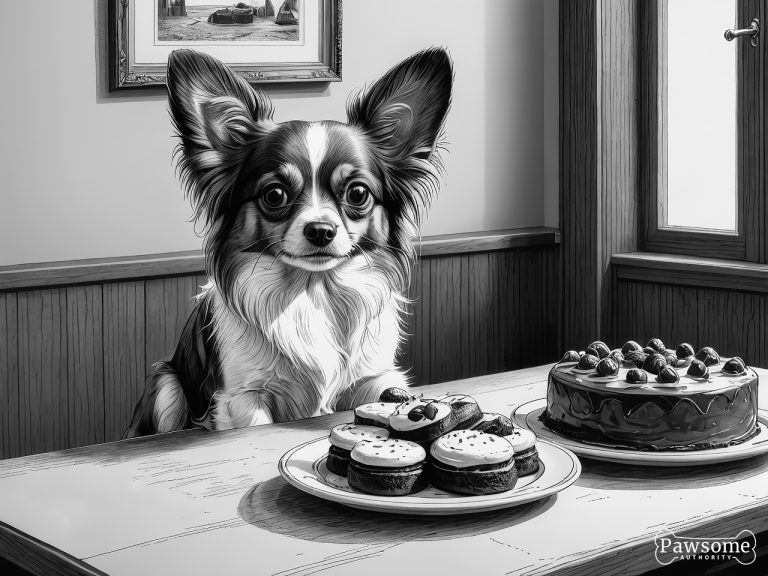
Teaching your Papillon advanced commands like “down,” “off,” “heel,” and “no” enhances their obedience. These commands build on their intelligence and eagerness-to-please, fostering a well-rounded and disciplined companion.
To teach “down,” guide your Papillon into a lying position by lowering a treat to the ground. Reward right away when they comply. Their high trainability makes this command straightforward to learn.
For “off,” use a firm voice to indicate to your Pap they should move away from an object or person. Consistent reinforcement helps them understand this boundary. Their friendly nature benefits from learning this command.
To teach “heel,” encourage your Papillon to walk beside you rather than ahead or behind. Use rewards to reinforce this position. Their intelligence and trainability make them quick to grasp this idea.
For “no,” use the command sparingly and with a firm voice. It is important for setting boundaries. Papillons’ sensitivity requires careful use of this command to avoid negative associations.
To teach “leave it,” instruct your Pap not to touch or engage with a particular object. Use treats to reward successful restraint. Their food motivation aids in learning this command effectively.
Papillon advanced obedience commands cheat sheet:
- Down: Lower a treat to the ground while instructing “down,” reward lying
- Off: Direct away from an undesired area while commanding “off,” reward compliance
- Heel: Command “heel” when walking with a short leash, reward walking beside
- No: Discourage unwanted behavior while instructing “no,” reward obedience
- Leave It: Guide away from an object or item while saying “leave it,” reward restraint
Step 6: Advance to Complex Commands
Teaching complex commands like “fetch, bring back” and “heel, sit, wait” enhances your Papillon’s obedience and provides mental stimulation. These commands use their intelligence and attention span, further developing their skills.
For “fetch, bring back,” use a toy and encourage your Papillon to “fetch.” Once they retrieve it, reward them for bringing it back. Their playful nature makes this command enjoyable for both of you.
To teach “heel, sit, wait,” walk with your Pap beside you, then signal them to “sit” and “wait” patiently. Reward them for maintaining the position. Their intelligence aids in quickly learning these commands.
Papillon complex obedience commands cheat sheet:
- Fetch, Bring Back: Throw a toy, instruct “fetch, bring back,” reward retrieval
- Heel, Sit, Wait: Say “heel” when walking, then “sit” and “wait,” reward patience
Step 7: Maintain Obedience Training
Continue regular training sessions to instill obedience in your Papillon. Scheduled training reinforces learned behaviors and keeps skills sharp. Their intelligence and eagerness-to-please benefit from consistent practice.
Increase challenges by introducing new difficulties and types of commands. Set realistic expectations based on your Papillon’s progress. Their trainability ensures they can handle evolving challenges while staying engaged.
Keep training sessions engaging by varying environments and combining playtime with training. Reward immediately to maintain their interest. Their playful and sociable nature ensures they enjoy these dynamic sessions.
Mistakes to Avoid
sing negative reinforcement can lead to fear or anxiety in your Papillon. Their sensitivity requires positive reinforcement for effective learning and maintaining a trusting relationship.
Holding long training sessions can lead to boredom or frustration. Short, focused sessions keep your Papillon engaged and eager to learn, aligning with their attention span.
Being inconsistent with training can confuse your Papillon. Consistent commands and routines help them understand expectations and reinforce obedience.
Changing commands or rules can confuse your Papillon. Use clear, consistent language to ensure they understand what is expected, fostering a well-trained companion.
Delaying rewards can weaken the connection between command and behavior. Immediate rewards reinforce obedience and encourage your Papillon to repeat positive behaviors.
Frequently Asked Questions
How Long Does It Take to Obedience Train a Papillon?
Training a Papillon typically takes 2 to 4 months, depending on the complexity of commands. Beginning training between 8 to 12 weeks old is ideal. Some Paps may learn faster or slower, requiring patience and consistency.
Why Might My Papillon Be Slow to Obedience Train?
A Pap’s obedience training may be slow because of individual temperament, negative experiences, or inadequate training. Lack of motivation or inconsistent training can also contribute to slower progress. Addressing these issues can improve training outcomes.
What Are the Most Important Commands to Teach a Papillon?
Teaching your Papillon commands like “sit,” “stay,” “come,” and “leave it” is important. These commands establish control and ensure your dog’s safety in various situations. Refer to the “Basic” and “Advanced” obedience commands cheat sheets for guidance.
What Should I Do if My Papillon Refuses to Obey Commands?
If your Papillon refuses commands, revisit your training schedule for consistency. Assess if commands are too complex or overwhelming. Consider environmental distractions and ensure rewards are motivating to improve obedience.