
Sociability:
Protectiveness:
Territoriality:
Prey Drive:
Sensitivity:
Good with Children:
Good with Adults:
Good with Dogs:
Good with Pets:
Good with Strangers:
Socializing your Pomeranian from a young age is important. Encouraging your Pomeranian to explore their world builds confidence and curiosity. Socialization promotes sociability and reduces anxiety, fear, and aggression. Proper socialization also helps manage their lively instincts effectively.
Understanding breed characteristics is important for socialization. Pomeranians are bold, inquisitive, and friendly, but can be sensitive. This guide provides a step-by-step process to help you navigate the socialization process, ensuring a well-rounded and confident companion.
Step 1: Start at Home
Create a comfortable and secure space for your Pomeranian. This haven lets them feel at ease while they begin their socialization journey. Their lively and inquisitive nature thrives in environments where they feel secure and protected.
Introduce your Pom to various household noises, like the vacuum or doorbell. This exposure helps them become familiar with everyday sounds. Their alert and friendly nature will benefit from understanding these common stimuli in their home environment.
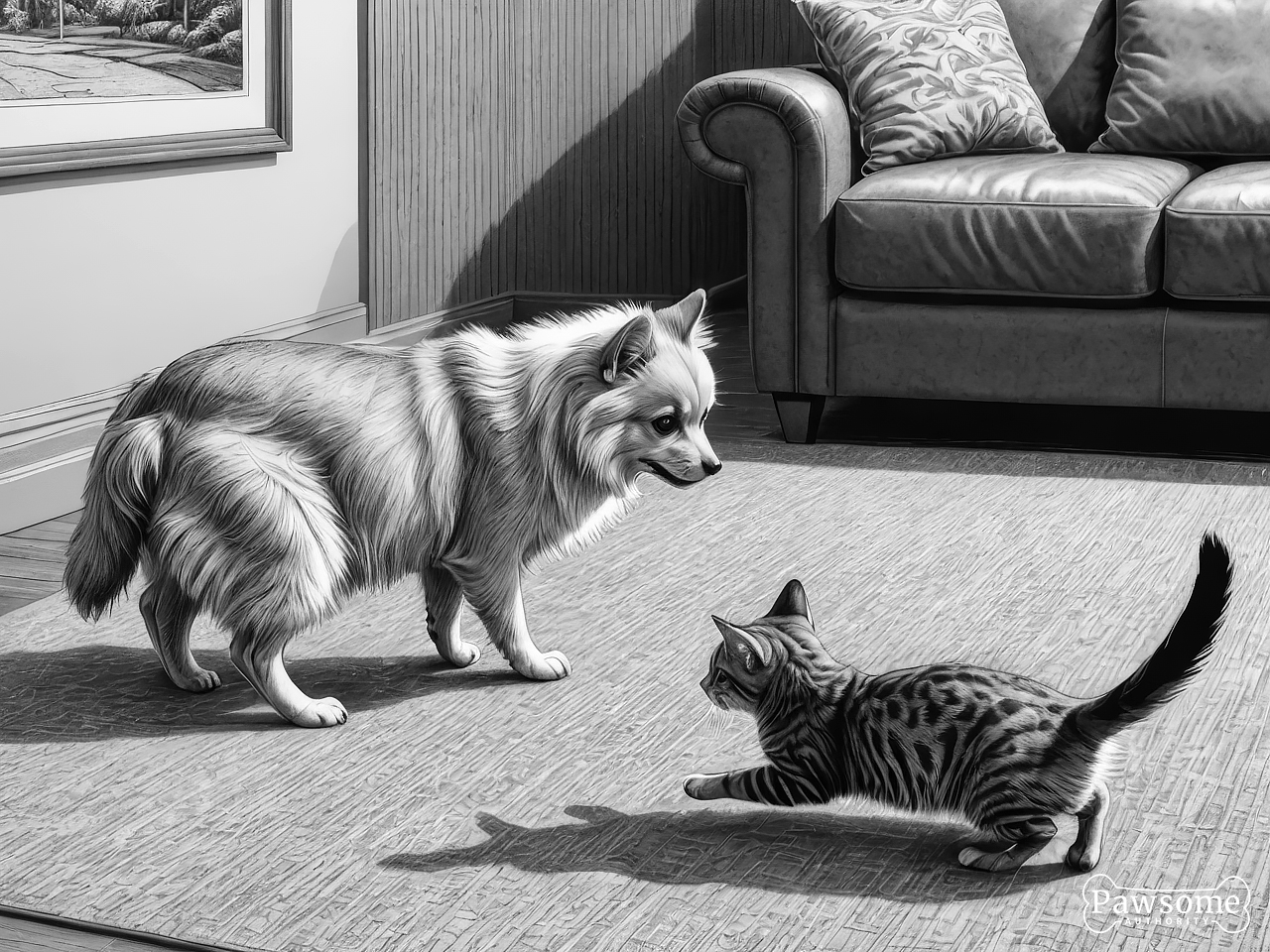
Encourage positive interactions with family members and household pets. Use positive reinforcement to reward calm behavior. This closed setting is ideal for Pomeranians, as it supports their friendly and playful instincts, fostering trust and confidence.
Sample Pomeranian home socializaion schedule:
- Morning: Introduce household sounds, like the doorbell or television
- Afternoon: Reward calm interactions and play with family members
- Evening: Supervise exploration of a different room with unfamiliar scents
Step 2: Introduce New People & Animals
Invite friends over one at a time to meet your Pomeranian. Let your Pom approach at their own pace, ensuring a gradual and positive exposure. This method respects their lively and friendly temperament while building trust.
Arrange controlled meetings with other dogs. Start with exchanging scent items, then meet on neutral territory. Gradual exposure is essential for Pomeranians, as it supports their social nature while preventing overwhelming situations.
Reward calm behavior during interactions with new people and animals. Positive reinforcement strengthens their confidence and sociability. This approach aligns with their playful and eager-to-please nature, encouraging positive experiences.
Step 3: Take Your Dog on Walks
Expose your Pomeranian to various stimuli during walks, such as people, animals, and surroundings. This exposure aligns with their inquisitive and alert nature, encouraging them to explore the world with curiosity and confidence.
Focus on leash training to prevent pulling and lunging. A loose leash lets your Pom explore safely. Their playful energy can be managed effectively with consistent leash training, enhancing their walking experience.
Increase exposure gradually based on your Pom’s reactions. If they seem fearful, reduce exposure. If they seem adventurous, increase it. This approach respects their lively and sensitive nature, ensuring positive walking experiences.
Step 4: Visit New Environments
Explore different locations with your Pomeranian, such as parks, shops, and cafes. These experiences cater to their bold and friendly nature, letting them become accustomed to a variety of settings.
Increase distractions during outings to include animals, people, and moving objects. This aligns with their alert temperament, helping them adapt to different stimuli and enhancing their social skills.
Keep sessions short and positive to prevent overwhelming your Pom. Ending on a high note with rewards reinforces their confident and playful nature, making future outings more enjoyable.
Step 5: Monitor & Manage Stress
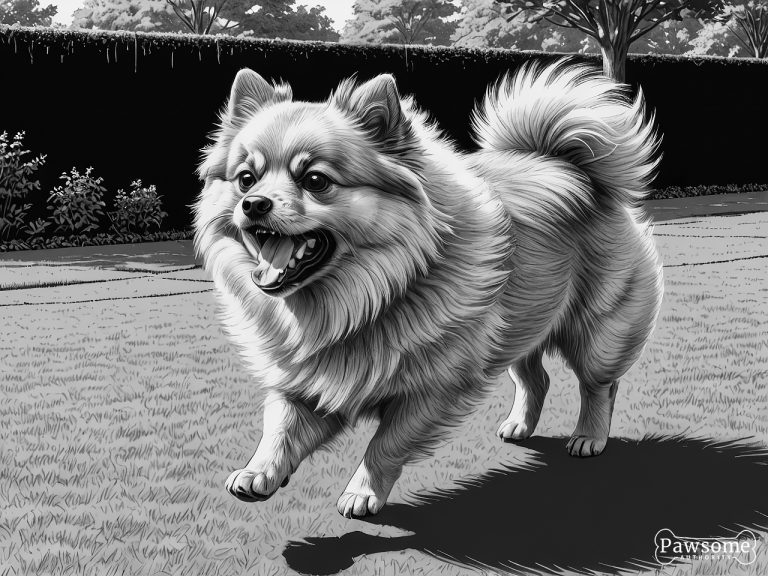
Recognize signs of stress in your Pomeranian, such as fear, anxiety, or aggression. Understanding these indicators is important for managing their sensitive and lively nature effectively.
Calmly remove your Pom from overwhelming situations. Providing reassurance and trying again later supports their bold and inquisitive personality, helping them navigate challenges confidently.
Use calming techniques like treats, toys, and a soothing voice. These methods enhance their sense of security, aligning with their eager-to-please temperament and fostering a trusting bond.
Common Pomeranian stress signs:
- Fear
- Anxiety
- Aggression
- Shaking
- Pacing
- Hiding
- Panting
Step 6: Maintain Socialization
Continue regular exposure through scheduled walks, playdates, and outings. Consistency reinforces your Pom’s friendly and sociable nature, ensuring they remain well-adjusted companions.
Reinforce positive behavior in new situations. Rewarding calm and confident actions encourages your Pomeranian’s lively and playful temperament, promoting ongoing social development.
Incorporate socialization into your Pom’s daily routine. Combining playtime with social experiences keeps them engaged and curious, aligning with their inquisitive and alert personality.
Mistakes to Avoid
Forcing socialization can lead to negative experiences. Pomeranians thrive when given the freedom to explore new situations at their own pace.
Using negative reinforcement can undermine your Pom’s eagerness to please. Positive reinforcement aligns with their playful temperament.
Being inconsistent with socialization can confuse your Pomeranian. Regular exposure to various environments supports their friendly and sociable nature.
Lacking variety and diversity in social experiences can limit your Pom’s adaptability. Introducing them to different settings nurtures their inquisitive and alert nature.
Isolating and secluding your Pomeranian can hinder their social development. Regular interactions with new people and animals align with their friendly and bold nature.
Frequently Asked Questions
How Long Does It Take to Socialize a Pomeranian?
Socializing a Pom typically takes 2 to 4 months, depending on exposure. Starting between 8 to 12 weeks old is ideal, as they are receptive to new experiences. Continuous socialization ensures your Pom remains a sociable and confident companion.
Why Might My Pomeranian Be Slow to Socialize?
Poms may be slow to socialize because of individual temperament. Negative experiences or forced socialization can hinder progress. Inconsistent exposure can also confuse them, affecting their ability to adapt to new situations confidently.
How Can I Tell if My Pomeranian Is Overwhelmed During Socialization?
Recognize signs of stress in your Pom, like panting, pacing, or trying to hide. Remove them from the situation calmly and reassure them before trying again later. Refer to the checklist of stress signs for guidance.
What Happens if I Don't Socialize My Pomeranian?
Without socialization, a Pom may develop unwanted behaviors like fear, anxiety, or aggression. Their lively and friendly nature benefits from exposure to various environments, preventing wariness of strangers, dogs, and new situations.


