
Territoriality:
Sensitivity:
Obedience:
Trainability:
Stubbornness:
Attention Span:
Potty training your Pug is essential for developing independence and hygiene habits. A well-trained Pug avoids accidents and keeps your home clean. This process requires patience and consistency, but the benefits of a trained Puggie are worthwhile.
Pugs are small, playful, and sociable, with a charming yet stubborn streak. These traits can influence training, but their eagerness to please and food motivation can aid the process. This step-by-step guide will help you effectively potty train your Pug.
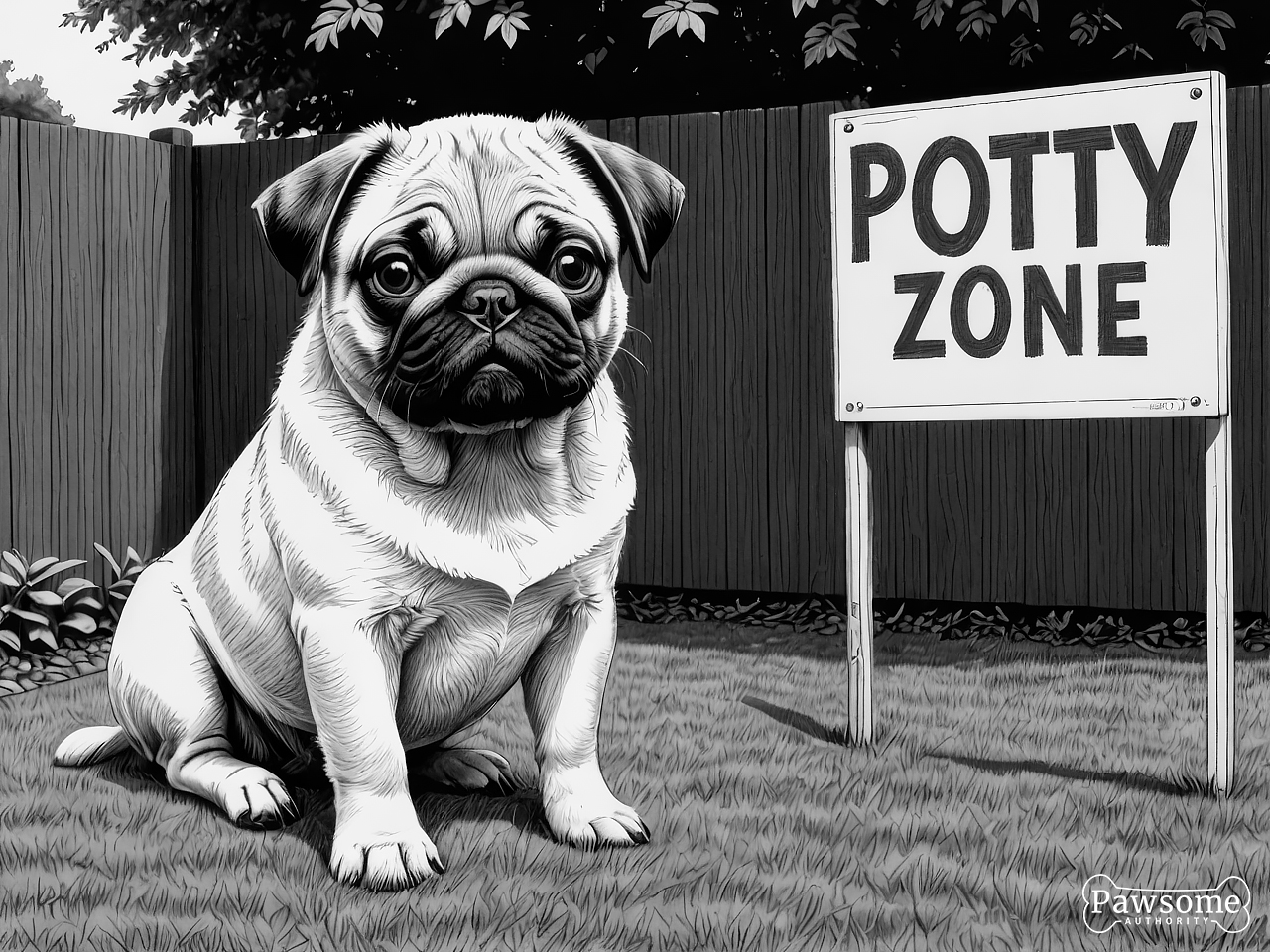
Step 1: Choose a Potty Spot
Selecting the right potty spot is important for your Pug’s training. Choose a location with suitable terrain and minimal distractions. Accessibility is key, as Puggies are small and may struggle with obstacles. Their playful nature means distractions can hinder focus.
Introduce your Pug to the potty spot using a leash and a command like “toilet” or “go potty.” This helps establish a connection between the spot and the act. Pugs’ charming and sociable nature means they respond well to consistent commands.
Creating positive associations is important. Reward your Pug right after they eliminate in the designated spot. Positive reinforcement links the act with a rewarding outcome, encouraging your Puggie to repeat the behavior.
Step 2: Establish a Routine
Setting a daily schedule helps your Puggie develop predictable habits. This reduces anxiety and confusion for your dog about when and where to go. It also helps them learn faster while building a stronger bond with them.
Time potty breaks appropriately to align with your Pug’s bodily functions. Every 2 to 3 hours and 15-20 minutes after meals is ideal. This prevents accidents and ensures your Puggie stays on track with their routine.
Reinforce the schedule by sticking to it consistently, even on weekends. This consistency helps your Pug understand expectations and reduces confusion.
Sample Pug potty training schedule:
- 7:00 AM: Morning potty break
- 9:00 AM: Mid-morning potty break
- 12:00 PM: Noon potty break
- 3:00 PM: Early afternoon potty break
- 6:00 PM: After dinner potty break
- 9:00 PM: Evening potty break
Step 3: Supervise Closely
Monitoring your Pug inside is important. Keep them close by or use a leash indoors. If unsupervised, use a crate. Take them to the potty spot when they show signs of needing to go.
Recognizing signs your Pug needs to go is essential. Look for body language such as sniffing, circling, or squatting. Being proactive helps prevent accidents.
Using a leash in the yard keeps your Pug close until trained. Direct them to the potty spot, treating the outdoor environment similarly to indoors.
Common Pug elimination signs:
- Circling
- Sniffing
- Pacing
- Whining
- Barking
- Squatting
- Scratching
Step 4: Handle Accidents
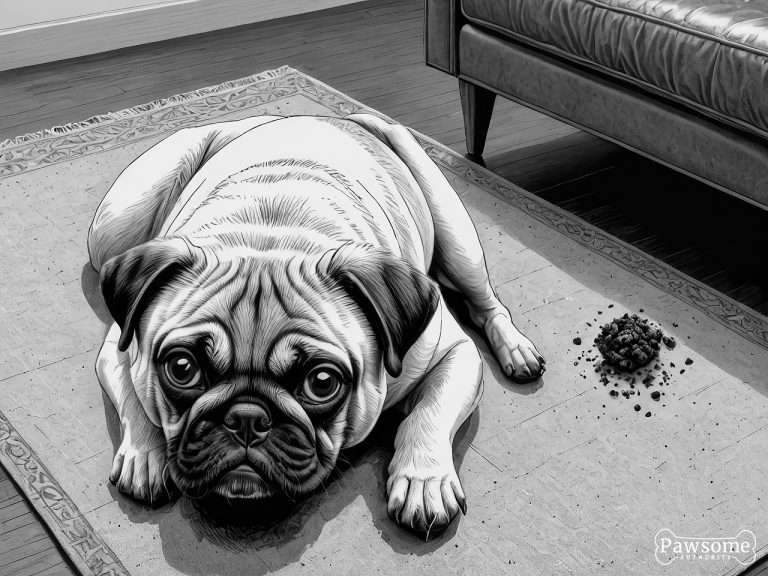
Stay calm and avoid punishment when accidents happen. Pugs are sensitive and can become anxious with harsh reactions. Use a calm voice and gentle actions to guide them to the potty spot.
Clean up accidents properly to remove odors. Use an enzymatic cleaner to ensure no scent remains. This prevents your Puggie from returning to the same spot.
Learn from mistakes by identifying patterns or triggers. Adjust the schedule as needed to help your Pug stay on track.
Step 5: Increase Freedom
Expand your Pug’s freedom gradually, introducing them to one room at a time. Avoid moving too quickly to prevent setbacks in their training.
Monitor progress by observing if your Pug consistently uses the potty spot. If accidents occur, restrict their freedom until they regain control.
Maintain consistency by sticking to the routine and reinforcing positive behavior. Immediate rewards reinforce their good habits.
Mistakes to Avoid
Ignoring signs of elimination can lead to accidents. Pay attention to your Pug’s cues and act quickly to prevent mishaps.
Using negative reinforcement can create fear and anxiety in your Puggie. Focus on positive reinforcement instead.
Rushing the process can overwhelm your Puggie and create setbacks. Give them time to adjust and learn at their own pace.
Changing the potty spot can confuse your Pug. Stick to one location to establish a clear connection and establish healthy elimination habits.
Being inconsistent with the potty schedule can confuse your Puggie. Consistency is key to successful potty training.
Frequently Asked Questions
How Long Does It Take to Potty Train a Pug?
Potty training a Puggie typically takes 4 to 6 months, though some may learn faster or slower. Start training between 8 to 16 weeks old when they have some control over their bladder and bowel. Patience and consistency are important.
Why Might My Pug Be Slow to Potty Train?
Individual temperament affects training speed. Puggies may face health issues like urinary infections or gastrointestinal disorders. Negative experiences, such as trauma or inadequate training, can also contribute. Inconsistent training leads to confusion.
Should I Use Pee Pads When Potty Training My Pug?
Pee pads can be a temporary solution but should be used sparingly. Transition your Puggie to outdoor elimination to avoid unhealthy reliance on indoor spots, which can hinder their training.
What Should I Do if My Pug Keeps Having Accidents Indoors?
Revisit your Puggie’s training routine and ensure consistency. Supervise them closely, using a leash indoors or a crate when unsupervised. Clean accidents thoroughly with an enzymatic cleaner to remove odors.


