
Sociability:
Protectiveness:
Territoriality:
Prey Drive:
Sensitivity:
Good with Children:
Good with Adults:
Good with Dogs:
Good with Pets:
Good with Strangers:
Socializing your Shetland Sheepdog from a young age is important for building confidence and helping them navigate the world. Proper socialization increases sociability, reduces anxiety, fear, and aggression, and helps manage their instincts. A well-socialized Sheltie is a joy to be around.
Shetland Sheepdogs are intelligent, gentle, and eager to please, which makes them receptive to socialization. This step-by-step guide will walk you through the training process, ensuring your Sheltie becomes a well-adjusted member of your family.
Step 1: Start at Home
Creating a safe space at home is essential for your Sheltie. This comfortable and secure environment lets them feel at ease. Use this setting to familiarize your Sheltie with the basics of socialization.
Introduce your Sheltie to new sights, sounds, and smells in your home. Start with household noises like the vacuum and doorbell. Their high sensitivity means they need gradual exposure to avoid overwhelming them.
Encourage positive interactions with family members and household pets. Use positive reinforcement to reward calm behavior. This closed setting lets your Sheltie build confidence in a familiar environment.
Sample Shetland Sheepdog home socializaion schedule:
- Morning: Introduce household sounds, like the doorbell or television
- Afternoon: Reward calm interactions and play with family members
- Evening: Supervise exploration of a different room with unfamiliar objects
Step 2: Introduce New People & Animals
Invite friends over one at a time to gradually expose your Sheltie to new people. Let them approach on their terms. This method respects their sensitive nature and helps build trust.
Arrange controlled dog meetings in neutral territories. Start by introducing scent items from a distance. Gradual exposure is important to avoid overwhelming your Sheltie.
Reward calm behavior with positive reinforcement during interactions with new people and animals. Your Sheltie’s eagerness to please will make this process smoother.
Step 3: Take Your Dog on Walks
Expose your Sheltie to various stimuli during walks. The sights, sounds, and smells are excellent for socialization. Their alert nature makes them keen observers of their surroundings.
Leash training is important. A loose leash helps avoid pulling and lunging. Teach your Sheltie to walk calmly beside you, which enhances their obedience.
Increase exposure gradually. If your Sheltie is fearful, reduce exposure. If they are enthusiastic, increase it. This flexibility caters to their individual needs.
Step 4: Visit New Environments
Explore different locations with your Sheltie. Parks, shops, and cafes offer diverse environments that enhance socialization. Their intelligent nature makes them curious about new places.
Increase distractions gradually. Introduce animals, moving objects, and new sounds and sights to challenge your Sheltie. Their energy level helps them adapt to these stimuli.
Keep sessions short and positive. End on a high note with rewards. This approach prevents overwhelm and maintains your Sheltie’s focus and attention.
Step 5: Monitor & Manage Stress
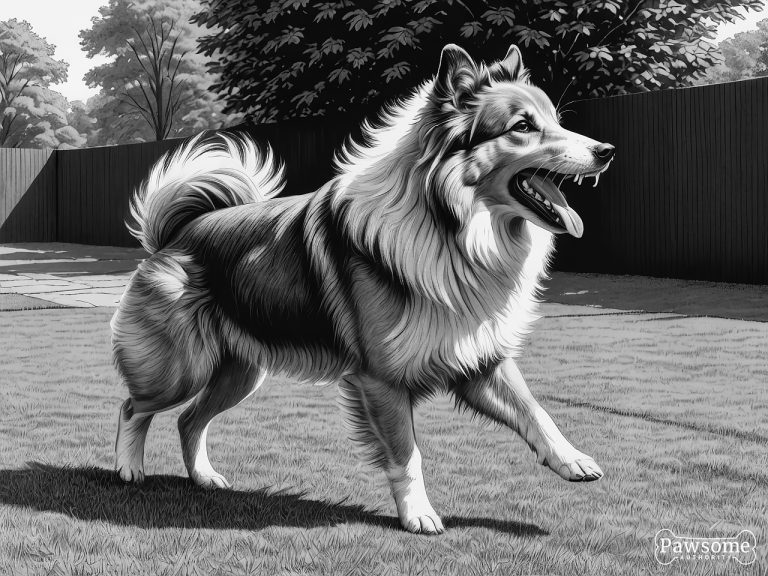
Recognize signs of stress in your Sheltie, such as fear, anxiety, or aggression. Their sensitive nature means they can quickly become overwhelmed.
Remove them calmly from overwhelming situations. Reassure them and try again later. This approach respects their gentle temperament.
Use calming techniques like treats, toys, or a soothing voice to provide a sense of security. These methods help manage stress effectively.
Common Shetland Sheepdog stress signs:
- Fear
- Anxiety
- Aggression
- Pacing
- Shaking
- Barking
- Hiding
Step 6: Maintain Socialization
Continue regular exposure through scheduled walks, playdates, and outings. Consistency ensures your Sheltie remains comfortable and confident in various situations.
Reinforce positive behavior by rewarding calm and confident reactions in new situations. Their eagerness to please makes this reinforcement highly effective.
Incorporate socialization into your daily routine. Make training sessions social, combine playtime with socialization, and include your Sheltie in errands.
Mistakes to Avoid
Using negative reinforcement can damage your Sheltie’s trust and hinder their progress. Stick to positive methods to encourage desired behavior.
Forcing socialization can increase anxiety and stress. Let your Sheltie approach new experiences at their own pace.
Being inconsistent with socialization can confuse your Sheltie. A steady routine helps reinforce positive behavior.
Lacking variety and diversity in socialization experiences can limit your Sheltie’s adaptability. Introduce them to different environments and scenarios.
Isolating and secluding your Sheltie can lead to anxiety and unwanted behaviors. Regular interaction with people and other animals is important.