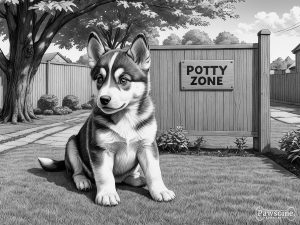
The Siberian Husky, often also known as the Husky, is known for its endurance and striking blue eyes. Originating in Siberia in the 3rd millennium BC, this breed was historically used for sledding and transportation. Today, Huskies continue to excel in sledding, while also thriving in roles such as companions, show dogs, and agility competitors. Their rich history and versatility make them a fascinating breed.
Huskies require significant physical and mental stimulation because of their high energy and intelligence. They are highly intelligent and need regular mental challenges to remain content. However, their trainability can be challenging, as they have a strong independent streak and stubbornness. Huskies are not ideal for first-time owners because of their energy levels and need for experienced handlers who provide firm leadership.
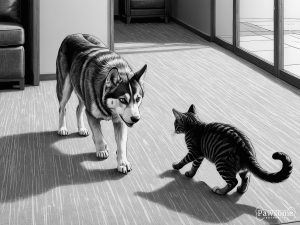
Known for their energetic and friendly nature, Huskies are good with children and other pets. They are alert, mischievous, and resilient, making them entertaining companions. With a high level of interaction, they enjoy family environments, particularly those with older children who can match their energy levels. Their playful demeanor makes them wonderful companions for active households.
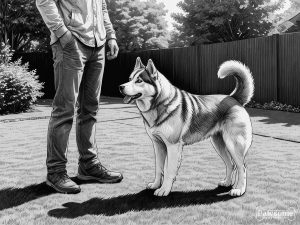
Siberian Huskies are medium-sized dogs with an athletic build. They stand between 20 to 23.5 inches (51 to 59.5 centimeters) tall and weigh between 35 to 60 pounds (16 to 27 kilograms). Their coats are straight and medium in length, featuring a thick double coat that offers protection against harsh weather. Huskies come in colors such as black, gray, agouti, sable, red, and white, with distinctive markings and patterns. Brushing is required every 3 to 4 days to help maintain their coat’s health and appearance.
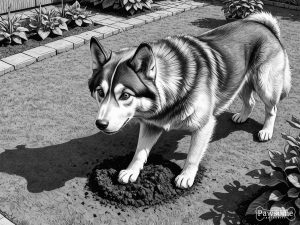
Ideal for active and energetic owners, Huskies thrive in homes with spacious yards. They require plenty of space to roam and play, making them less suited to apartment living. Owners who enjoy outdoor activities will find Huskies enthusiastic companions. However, those considering this breed should ensure they can provide the necessary exercise and mental stimulation to keep a Husky happy and healthy.