
Barking:
Protectiveness:
Territoriality:
Prey Drive:
Sensitivity:
Separation Anxiety:
Obedience:
Trainability:
Stubbornness:
Attention Span:
Behavior training your Miniature Schnauzer is essential for safety and quality of life. It builds confidence and reduces stress and anxiety, strengthening the bond between you and your dog. Proper training ensures your Schnauzer becomes a well-mannered companion.
Mini Schnauzers are known for their friendly and spirited nature. Their intelligence and eagerness to please make them trainable, yet their alertness and protectiveness can present challenges. This guide will walk you through a step-by-step process of behavior training your Mini Schnauzer.
Step 1: Assess the Current Behavior
Begin by identifying specific behaviors your Mini Schnauzer shows. Pay attention to emotions, frequency, and intensity. Understanding these traits will help tailor the training process to your dog’s needs, ensuring effective results.
Recognizing your Mini Schnauzer’s temperament is important. They are obedient yet stubborn, with a strong territorial instinct. These characteristics influence how they respond to training, making it essential to align your approach with their natural disposition.
Common Miniature Schnauzer behaviors:
- Barking: Typically from alerting to perceived threats or seeking attention
- Separation Anxiety: Can stem from over-attachment or a fear of being left alone
- Chasing: Often because of a lack of exercise or a lack of impulse control
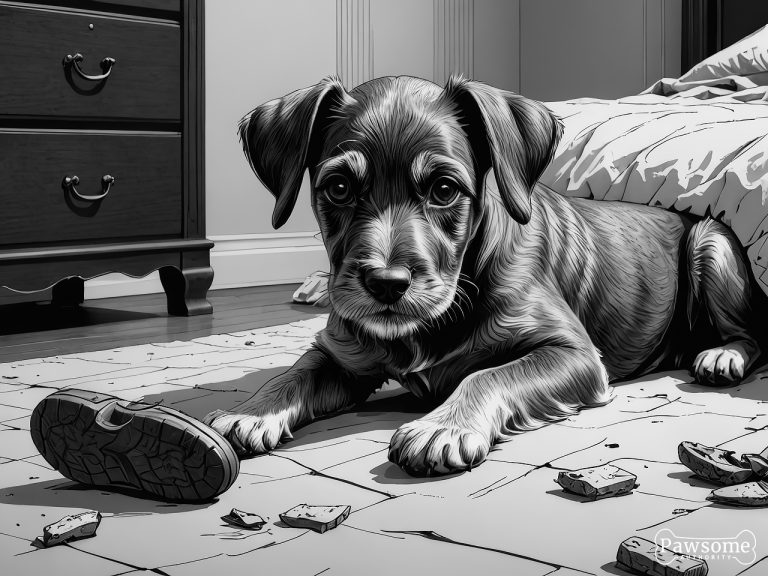
- Chewing: Typically from boredom or exploring an environment with their mouth
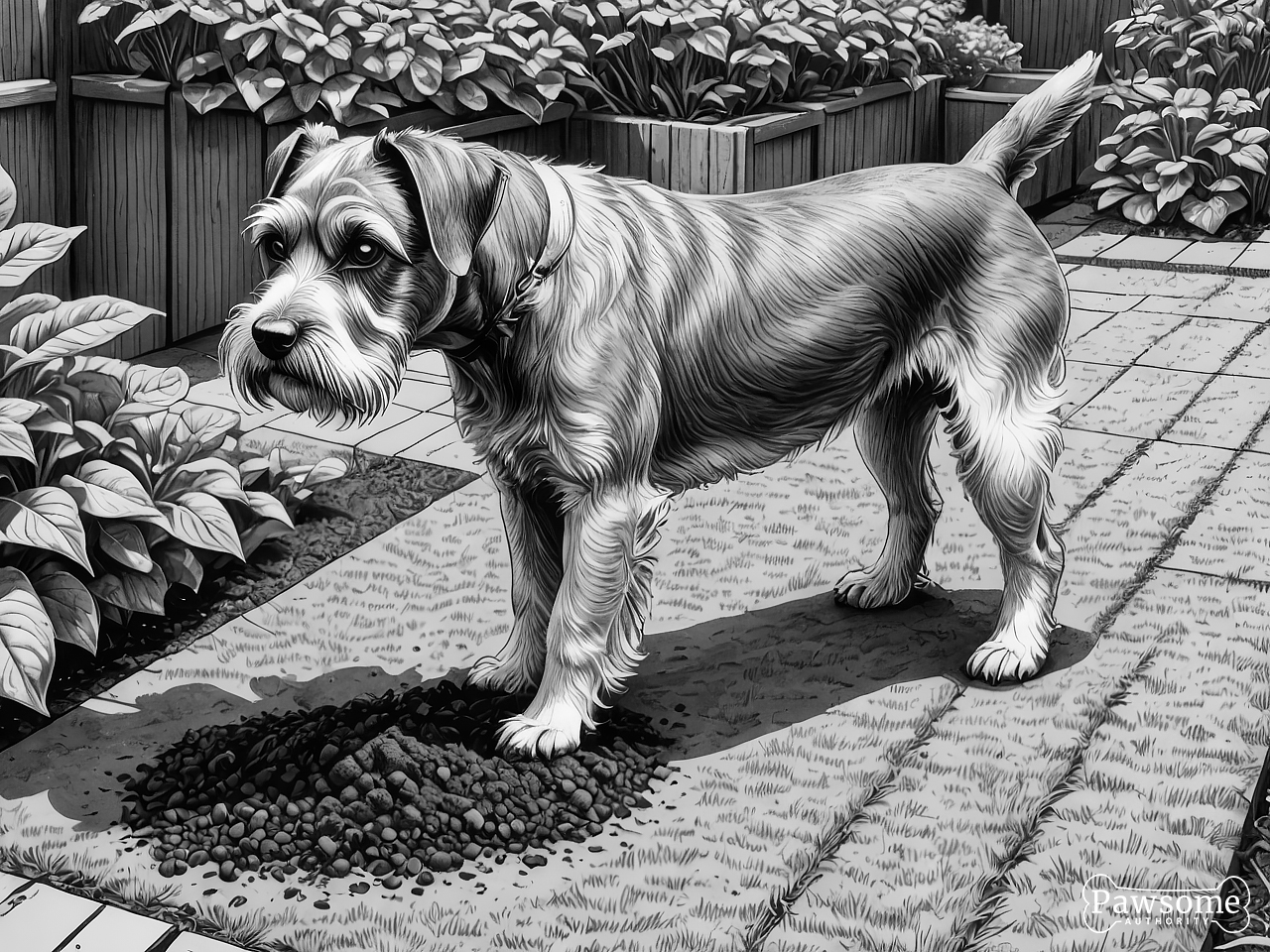
- Digging: May be caused by seeking comfort or entertainment or trying to bury food or toys
Step 2: Understand the Motivation
Identify the root cause of your Mini Schnauzer’s behavior. Triggers like strangers or loud noises can lead to barking. Recognizing patterns helps to manage and change these behaviors effectively.
Understanding your Mini Schnauzer’s emotional state is important. Fear, excitement, and anxiety influence their actions. High intensity and long durations of these emotions need to be addressed to change unwanted behaviors.
Assess environmental factors affecting your Mini Schnauzer. Lack of stimulation or exercise can lead to boredom-induced misbehavior. Ensuring a balanced environment will help maintain positive behavior.
Step 3: Establish a Routine
Set a daily schedule with 2 to 3 training sessions of 10 to 15 minutes each. The consistency of these sessions is key to changing behaviors in your Mini Schnauzer, aligning with their attention span and trainability.
Select appropriate equipment like a leash or harness for training. These tools help in managing your Mini Schnauzer’s behavior, ensuring safety and control during sessions.
Reinforce the schedule by maintaining the same training times on weekdays and weekends. This consistency helps your Mini Schnauzer adapt to the routine, reinforcing desired behaviors.
Sample Miniature Schnauzer behavior training schedule to stop jumping up on people:
- Morning: Go over the “sit” and “stay” commands 3 times each
- Afternoon: Invite a friend or family member to help go over calm greetings
- Evening: Practice the “off” command and alternative behaviors
Step 4: Change the Behavior
Desensitize and counter-condition your Mini Schnauzer to triggers. Use a controlled environment and positive reinforcement to gradually expose them, rewarding calm behavior.
Reinforce basic and advanced Miniature Schnauzer obedience commands. Encourage “sit,” “stay,” and “come,” building on “down,” “off,” and “leave it”. This helps manage their protectiveness and stubbornness.
Introduce alternative behaviors to discourage unwanted actions. Redirect your Mini Schnauzer’s focus to desirable behaviors, using positive reinforcement to encourage new habits.
Changing common Miniature Schnauzer behaviors cheat sheet:
- Barking: Provide mental stimulation, use the “quiet” command
- Separation Anxiety: Keep arrivals/departures low key, provide comfort items
- Chasing: Use the “leave it” command, increase physical and mental exercise
- Chewing: Remove temptations, offer chew toys
- Digging: Offer toys or puzzles, supervise outdoor activities
Step 5: Normalize the Behavior
Reinforce positive behavior by rewarding immediately and gradually decreasing rewards. Your Mini Schnauzer will associate good actions with positive outcomes.
Increase challenges by practicing desired behaviors in different environments. This strengthens your Mini Schnauzer’s ability to focus amidst distractions.
Be consistent with cues and responses. Avoid mixed signals to prevent confusion, ensuring your Mini Schnauzer understands what is expected.
Step 6: Maintain Behavior Training
Continue regular training sessions to refresh commands and ensure consistency. Short sessions are effective in maintaining your Mini Schnauzer’s good behavior.
Incorporate behavior training into daily life. Use obedience commands before meals or walks to reinforce habits in your Mini Schnauzer.
Adjust your training approach as needed. Change rewards and adapt to different life stages, simplifying methods to suit your Mini Schnauzer’s needs.
Mistakes to Avoid
Changing commands or rules can confuse your Mini Schnauzer. Consistency in language and expectations helps reinforce learning.
Holding long training sessions can overwhelm your Mini Schnauzer. Short, focused sessions keep their attention and prevent boredom.
Using negative reinforcement can harm your Mini Schnauzer’s trust. Positive methods encourage better behavior without fear or anxiety.
Skipping or rushing steps can lead to incomplete learning. Follow the training process to ensure your Mini Schnauzer understands each behavior.
Expecting immediate results can lead to frustration and disappointment. Patience and persistence are key in training your Mini Schnauzer effectively.
Frequently Asked Questions
How Long Does It Take to Behavior Train a Miniature Schnauzer?
Training a Mini Schnauzer typically takes 4 to 6 months. However, the duration can vary based on behavior type and intensity. Start when unwanted behavior is seen. Patience and consistency are important for success.
Why Might My Miniature Schnauzer Be Slow to Behavior Train?
Your Mini Schnauzer’s individual temperament can affect training speed. Younger dogs usually learn quickly, while older ones may take longer. Negative experiences and inconsistent training can cause delays. Ensure your approach includes rewards and proper engagement.
How Can I Stop My Miniature Schnauzer From Barking?
Identify triggers causing your Mini Schnauzer to bark. Use the “quiet” command consistently with positive reinforcement. This approach helps manage their natural protectiveness and alertness.
How Can I Stop My Miniature Schnauzer From Chewing?
Redirect your Mini Schnauzer’s focus to chew toys. Encourage alternative behaviors using positive reinforcement and consistency. This helps manage their energy and prevents destructive chewing.


