
Sensitivity:
Obedience:
Trainability:
Stubbornness:
Attention Span:
Obedience training your Miniature Schnauzer is essential for a harmonious relationship. It establishes respect, clarifies roles, and fosters responsibility. Training enhances leadership and trust between you and your dog, promoting discipline and strengthening your bond. A well-trained dog is happier and more secure.
The Miniature Schnauzer is known for its intelligence and eagerness to please, making it highly trainable. This guide provides a step-by-step approach to obedience training, considering the breed’s unique characteristics. Follow these methods to effectively guide your Mini Schnauzer through the training process.
Step 1: Choose a Training Method
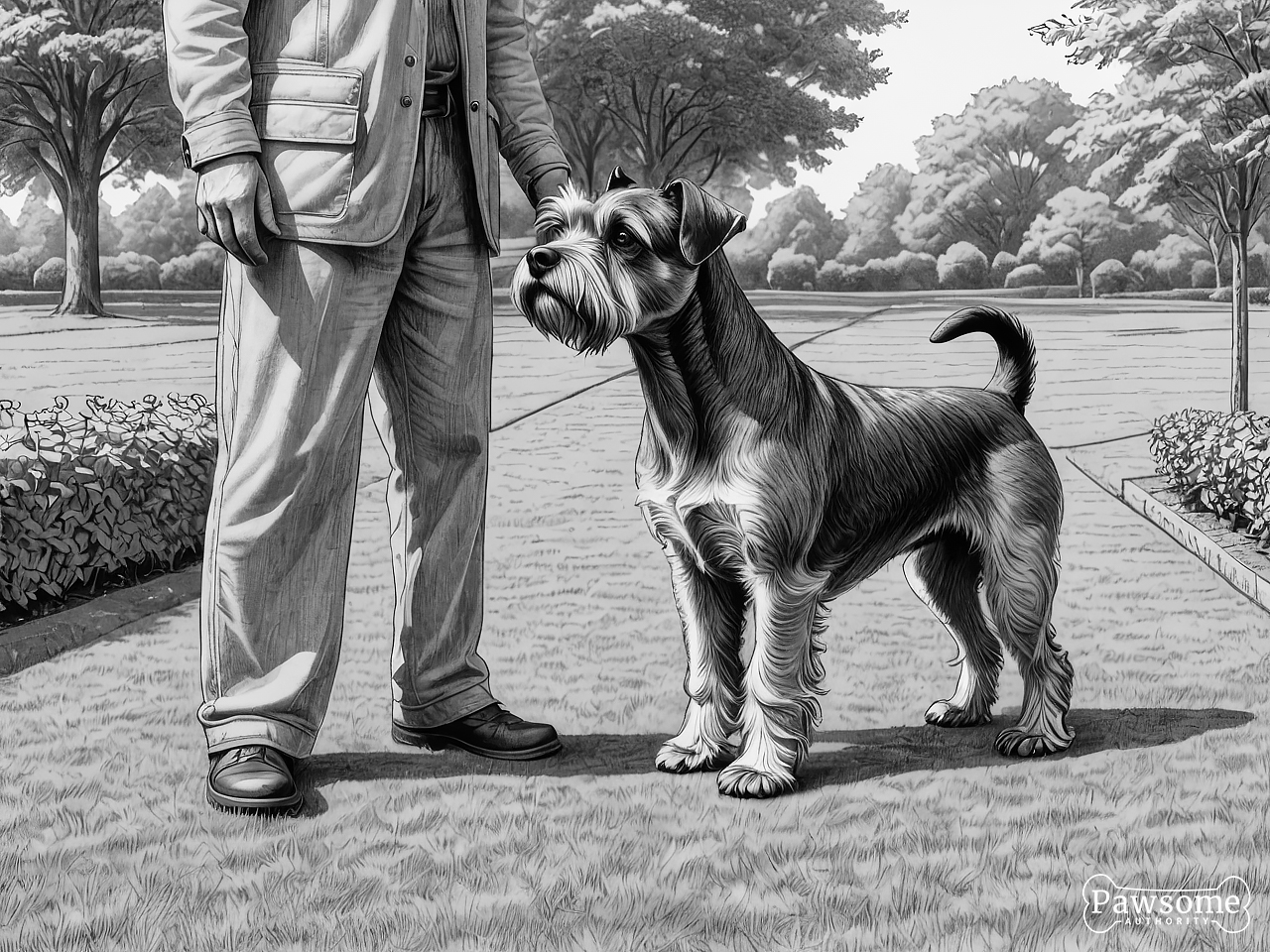
Understanding your Mini Schnauzer’s temperament is important. They are friendly, intelligent, and spirited, with a strong will. These traits influence their training. Their eagerness to please makes them responsive to positive reinforcement methods, enhancing their obedience and focus.
Selecting the right equipment is important. A comfortable harness and a sturdy leash are essential for control. A clicker can be helpful for marking good behavior. This breed’s alertness and intelligence make them responsive to clicker training techniques.
Consistency is key in training your Mini Schnauzer. Use the same equipment and methods throughout the training process. Their stubbornness requires a steady approach, ensuring they understand expectations and achieve consistent progress.
Step 2: Establish a Routine
Setting realistic goals is important for your Mini Schnauzer’s progress. Start with simple commands like “sit” and “stay” before moving to complex ones. Their intelligence and eagerness to learn lets them grasp commands quickly with a structured approach.
Choose a quiet, distraction-free location for training sessions. Mini Schnauzers are alert and can easily be distracted by their surroundings. A calm environment helps them focus on learning and following commands effectively.
Establish a daily schedule with 2 to 3 short sessions of 10 to 15 minutes each. Consistent timing, even on weekends, helps reinforce behaviors. Their attention span and intelligence mean short, regular sessions work best.
Sample Miniature Schnauzer basic obedience commands training schedule:
- Morning: Teach the “come” command 5 times
- Afternoon: Practice the “sit” command 5 times
- Evening: Go over the “stay” command 5 times
Sample Miniature Schnauzer advanced obedience commands training schedule:
- Morning: Go over the “leave it” command 5 times
- Afternoon: Practice the “down” command 5 times
- Evening: Teach the “off” and “heel” commands 3 times each
Step 3: Assert Leadership
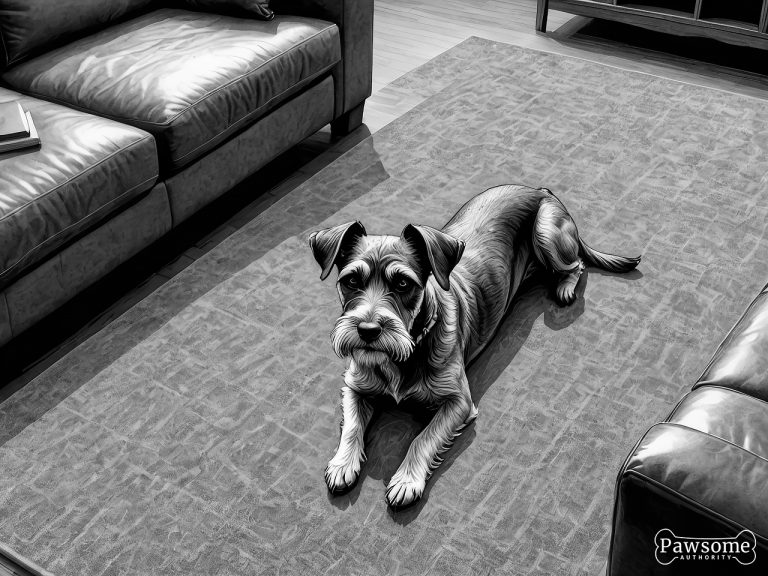
Establishing leadership is important for your Mini Schnauzer’s obedience. Be firm and fair, positioning yourself as the pack leader. This breed’s obedience and intelligence respond well to consistent leadership, aiding in command retention.
Set boundaries to clearly define acceptable and unacceptable behaviors. Mini Schnauzers are spirited and may test limits. Consistently enforce rules to ensure they understand the boundaries, promoting respectful behavior.
Reward obedience immediately with positive reinforcement. Mini Schnauzers are food-motivated and respond well to treats and praise. Their eagerness to please makes timely rewards important for reinforcing good behavior.
Step 4: Teach Basic Commands
Teaching your Mini Schnauzer basic commands like “sit,” “stay,” and “come” is essential. Immediate rewards reinforce these commands, leveraging their intelligence and eagerness to please.
To teach “sit,” hold a treat above their head. As they look up, their bottom will naturally lower. Reward them immediately. This method suits their alert nature and willingness to learn.
Begin teaching “stay” by having them “sit” first. Give the “stay” command and gradually increase your distance. Their obedience and attention span help them grasp this command effectively.
To teach “come,” have them “sit” first, then “stay.” Call them with a cheerful tone, rewarding them when they reach you. Their intelligence and eagerness make them quick learners.
Miniature Schnauzer basic obedience commands cheat sheet:
- Sit: Hold a treat above the head, command “sit,” reward sitting
- Stay: From the “sit” position, say “stay,” increase distance, reward staying
- Come: In the “sit” and “stay” positions, command “come,” reward arrival
Step 5: Expand Commands
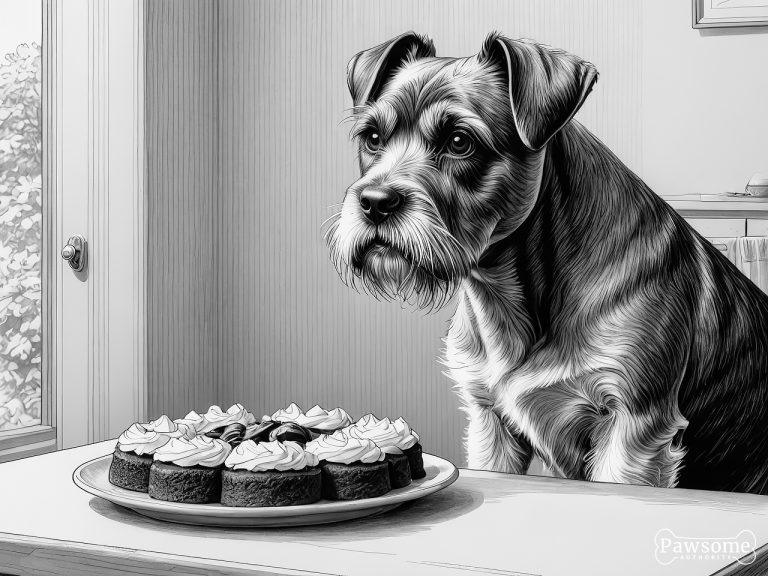
Teaching your Mini Schnauzer advanced commands such as “down,” “off,” “heel,” “no,” and “leave it” is important. Positive reinforcement helps them master these commands, enhancing their obedience and discipline.
To teach “down,” start from a sitting position. Lower a treat to the ground, guiding them into a lying position. Their intelligence aids in understanding the command quickly.
Teach “off” by using it when they jump or climb where not allowed. Their spirited nature may require consistent reminders, but they learn with repetition.
For “heel,” walk with them beside you. Their obedience helps them understand staying in position rather than leading or lagging.
Use “no” sparingly with a firm voice to stop unwanted behaviors. Their alertness ensures they recognize the command’s significance.
“Leave it” teaches them to ignore objects or food. Their intelligence and food motivation require clear guidance and rewards.
Miniature Schnauzer advanced obedience commands cheat sheet:
- Down: Lower a treat to the ground while instructing “down,” reward lying
- Off: Direct away from an undesired area while saying “off,” reward compliance
- Heel: Instruct “heel” when walking with a short leash, reward walking beside
- No: Discourage unwanted behavior while commanding “no,” reward obedience
- Leave It: Guide away from an object or item while instructing “leave it,” reward restraint
Step 6: Advance to Complex Commands
Advancing to complex commands for your Mini Schnauzer enhances obedience and mental stimulation. Commands like “fetch, bring back” and “heel, sit, wait” challenge their intelligence and energy.
Teach “fetch, bring back” using a toy. Their spirited nature enjoys the chase, and returning the toy reinforces their obedience and engagement.
For “heel, sit, wait,” walk with them at your side, then command “sit” and “wait.” Their alertness and intelligence help them excel in this complex command.
Miniature Schnauzer complex obedience commands cheat sheet:
- Fetch, Bring Back: Throw a toy, instruct “fetch, bring back,” reward retrieval
- Heel, Sit, Wait: Instruct “heel” when walking, then “sit” and “wait,” reward patience
Step 7: Maintain Obedience Training
Continuing regular training is important to instill obedience in your Mini Schnauzer. Scheduled sessions reinforce learned commands, ensuring consistent behavior. Their intelligence and attention span benefit from ongoing practice.
Increasing the challenge of training sessions keeps your Mini Schnauzer engaged. Vary the difficulty and types of commands, setting realistic expectations. Their spirited nature thrives on new experiences.
Keep training sessions engaging by changing environments and combining playtime with training. Their friendly and energetic demeanor enjoys diverse settings, making sessions enjoyable and rewarding.
Mistakes to Avoid
Using negative reinforcement can hinder your Mini Schnauzer’s progress. They respond better to positive methods that encourage their eagerness to please and intelligence.
Holding long training sessions can lead to frustration. Short, focused sessions suit their attention span and energy levels better, ensuring effective learning.
Being inconsistent with training can confuse your Mini Schnauzer. They thrive on routine, and regularity helps in understanding and retaining commands.
Changing commands or rules can disrupt their learning process. Consistency in language and expectations aids in solidifying their obedience.
Delaying rewards can reduce motivation. Mini Schnauzers respond well to immediate reinforcement, aligning with their food-motivated nature.
Frequently Asked Questions
How Long Does It Take to Obedience Train a Miniature Schnauzer?
Training a Mini Schnauzer typically takes 2 to 4 months. Start between 8 to 12 weeks old, but some may take longer. Patience and consistency are key, as their intelligence aids in learning various commands’ complexity.
Why Might My Miniature Schnauzer Be Slow to Obedience Train?
A Mini Schnauzer’s individual temperament, such as being spirited or stubborn, can affect training speed. Negative experiences or inconsistent training may also hinder progress. Ensure rewards are motivating to maintain engagement and interest.
What Are the Most Important Commands to Teach a Miniature Schnauzer?
Teaching your Mini Schnauzer “sit,” “stay,” “come,” and “leave it” is essential for control and safety. Refer to the “Basic” and “Advanced” obedience commands cheat sheets for guidance.
What Should I Do if My Miniature Schnauzer Refuses to Obey Commands?
Revisit your Mini Schnauzer’s training schedule to ensure consistency in goals and location. Simplify commands if complexity overwhelms them. Reduce distractions and use motivating rewards to maintain their focus and cooperation.


