
Barking:
Protectiveness:
Territoriality:
Prey Drive:
Sensitivity:
Separation Anxiety:
Obedience:
Trainability:
Stubbornness:
Attention Span:
Behavior training your Pembroke Welsh Corgi is essential for safety and a better quality of life. Proper behavior training boosts your dog’s confidence, reduces stress and anxiety, and strengthens the bond between you and your dog. An obedient Pembroke is a happier companion.
Pembroke Welsh Corgis are intelligent, loyal, and playful dogs. These characteristics make them eager to learn, but they can also be bold and stubborn. This guide provides a step-by-step approach tailored to behavior training your Pembroke.
Step 1: Assess the Current Behavior
Identifying specific behaviors in your Pembroke Welsh Corgi is important. Understanding emotions and recognizing the frequency and intensity of these behaviors helps tailor your approach. The intelligent and alert nature of Pembrokes influences their behavior patterns.
Pembrokes are known for their friendly yet protective nature. Understanding your Pembroke’s temperament, including their eagerness to please and occasional stubbornness, allows for a more focused training plan. Recognize how these traits manifest in their behavior.
Common Pembroke Welsh Corgi behaviors:
- Barking: Typically from seeking attention or alerting to perceived threats
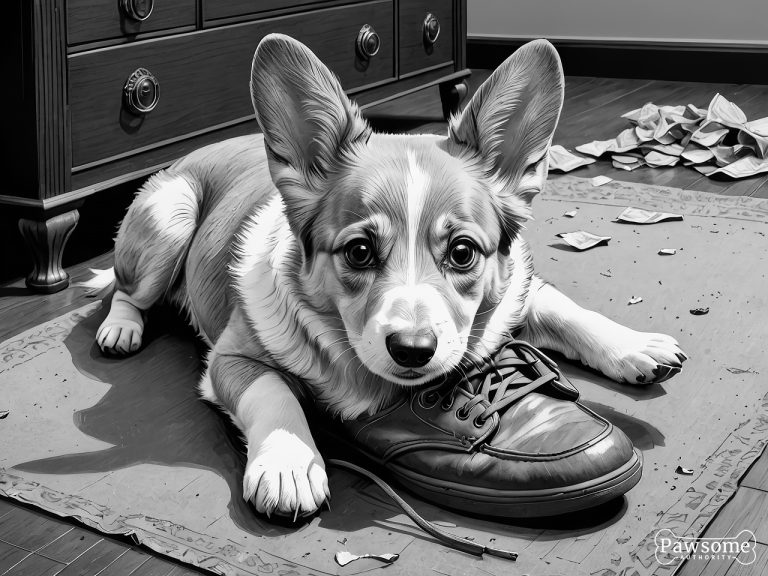
- Chewing: Typically from teething or exploring an environment with their mouth
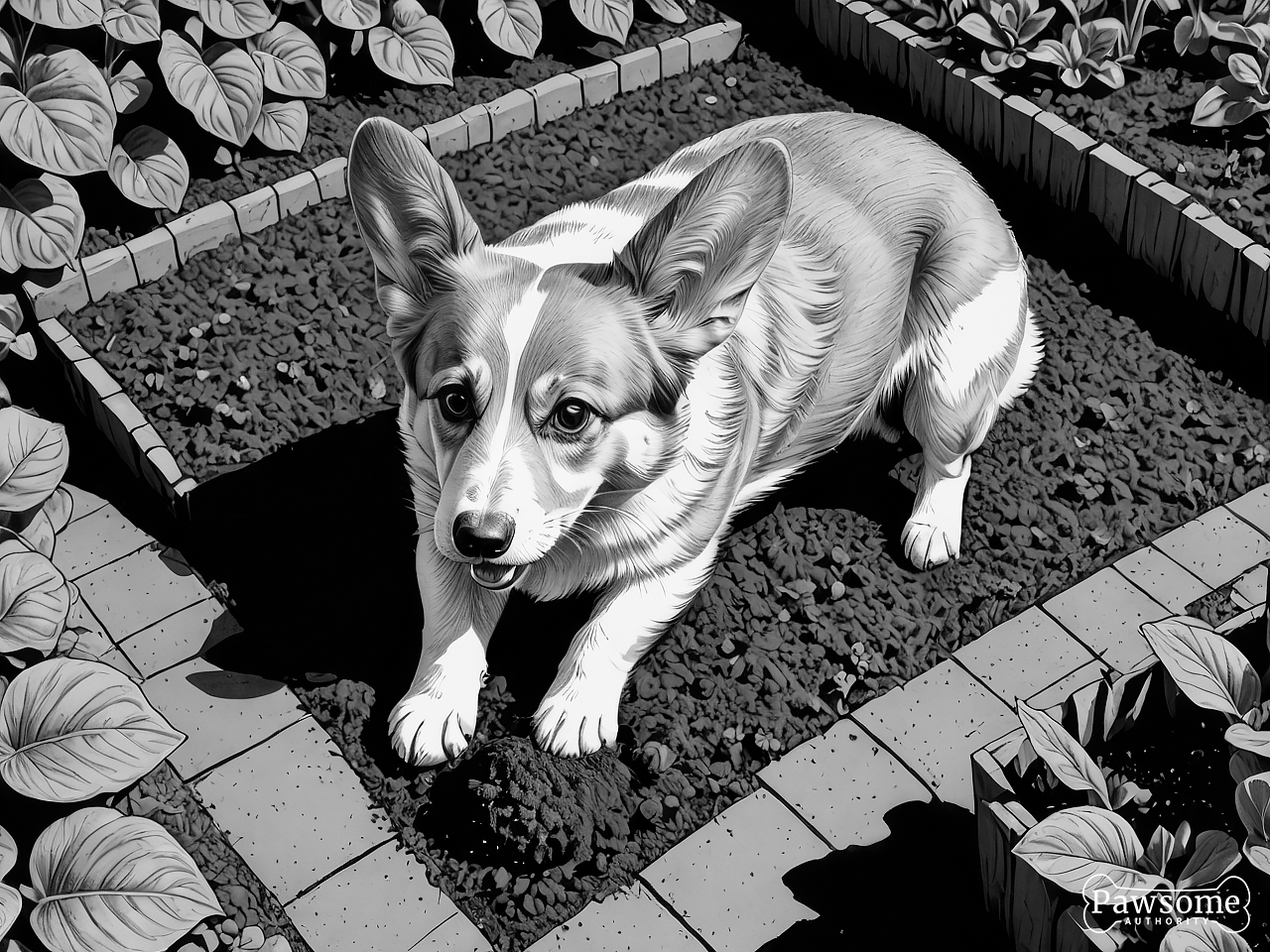
- Digging: Can stem from instinctual behavior or trying to bury food or toys
- Separation Anxiety: Often because of a fear of being left alone or over-attachment
- Aggression: Can stem from perceived threats or poor socialization
Step 2: Understand the Motivation
Recognizing the root causes of your Pembroke’s behavior is important. Identify triggers, such as specific contexts or patterns, that lead to unwanted actions. Pembrokes’ protectiveness often influences their motivation to react to perceived threats.
Understanding your Pembroke’s emotional state is key. Intense feelings of fear, excitement, or anxiety may drive behaviors. The breed’s loyalty and alertness can amplify these emotions, making it necessary to address them thoughtfully.
Environmental factors play a significant role in your Pembroke’s behavior. Ensure they receive adequate stimulation and exercise to prevent boredom. Their playful and energetic nature requires regular outlets to maintain balanced behavior.
Step 3: Establish a Routine
A daily schedule is important for behavior training. Plan 2 to 3 short sessions each day, lasting 10 to 15 minutes. Tailor the duration and frequency based on the specific behavior you wish to change in your Pembroke.
Select the equipment for training, such as a leash or harness. Pembrokes respond well to structured environments because of their intelligence and trainability. Proper equipment enhances control during training sessions.
Reinforce the schedule by maintaining consistency. Train at the same time each day, including weekends. Pembrokes thrive on routine, and consistency helps solidify new behaviors.
Sample Pembroke Welsh Corgi behavior training schedule to stop jumping up on people:
- Morning: Reinforce the “sit” and “stay” commands 3 times each
- Afternoon: Invite a friend or family member to help practice calm greetings
- Evening: Practice the “off” command and alternative behaviors
Step 4: Change the Behavior
Desensitizing and counter-conditioning your Pembroke helps change unwanted behaviors. Gradually expose them to triggers in a controlled environment, rewarding calm responses. Their food-motivation and intelligence support this process.
Use basic and advanced Pembroke Welsh Corgi obedience commands to reinforce positive behavior. Commands like “sit,” “stay,” and “come” should be mastered before moving to advanced commands like “down,” “off,” and “leave it.” Pembrokes’ eagerness to please aids in learning.
Introducing alternative behaviors is important. Redirect focus from unwanted actions to desirable ones. Encourage your Pembroke to show positive behaviors through consistent reinforcement.
Changing common Pembroke Welsh Corgi behaviors cheat sheet:
- Barking: Use the “quiet” command, provide mental stimulation
- Chewing: Remove temptations, offer chew toys
- Digging: Supervise outdoor activities, offer toys or puzzles
- Separation Anxiety: Provide comfort items, keep arrivals/departures low key
- Aggression: Improve socialization, provide consistent training
Step 5: Normalize the Behavior
Reinforcing positive behaviors is key to normalization. Reward your Pembroke right after desired behaviors, then gradually decrease rewards. Their intelligence and eagerness to please make them responsive to this approach.
Increase challenges by introducing distractions during training. Practice desired behaviors in various settings to ensure reliability. Pembrokes’ attention span and playfulness make them adaptable to new environments.
Consistency is important in training. Use the same cues and responses to avoid confusion. Persistence will help your Pembroke understand expectations and reinforce learned behaviors.
Step 6: Maintain Behavior Training

Regular training sessions are important for maintaining behavior. Schedule short sessions to refresh commands and ensure consistency. Pembrokes benefit from ongoing training because of their intelligence and trainability.
Incorporate behavior training into your daily routine. Use obedience commands before meals or walks. This practice reinforces learned behaviors and integrates training into daily life.
Adjust your training approach as needed. Change rewards and adapt to your Pembroke’s life stages. Their loyalty and intelligence allow for flexible training methods.
Mistakes to Avoid
Changing commands or rules can confuse your Pembroke. Consistency is important for effective behavior training and reinforcement.
Holding long training sessions can lead to boredom in your Pembroke. Short, focused sessions are more effective in engaging and keeping their attention.
Using negative reinforcement can damage the bond with your Pembroke. Choose positive reinforcement to encourage desired behavior.
Skipping or rushing steps undermines training progress. Take the time needed for each step to ensure success.
Expecting immediate results can lead to frustration and disappointment. Patience and persistence are important when training your Pembroke.
Frequently Asked Questions
How Long Does It Take to Behavior Train a Pembroke Welsh Corgi?
Training a Pembroke typically takes 4 to 6 months, though it can vary. Adapt training duration based on the behavior’s type and intensity. Begin as soon as unwanted behavior is seen, remaining patient and consistent.
Why Might My Pembroke Welsh Corgi Be Slow to Behavior Train?
Individual temperament affects training speed. Younger Pembrokes often learn faster, while older ones may need more time. Trauma or inadequate training can hinder progress. Inconsistent training causes confusion.
How Can I Stop My Pembroke Welsh Corgi From Barking?
Identify triggers causing barking in your Pembroke. Use the “quiet” command and reinforce positive behavior consistently with rewards.
How Can I Stop My Pembroke Welsh Corgi From Chewing?
Redirect your Pembroke’s focus to chew toys. Encourage alternative behaviors using positive reinforcement and consistency to reduce unwanted chewing.


