
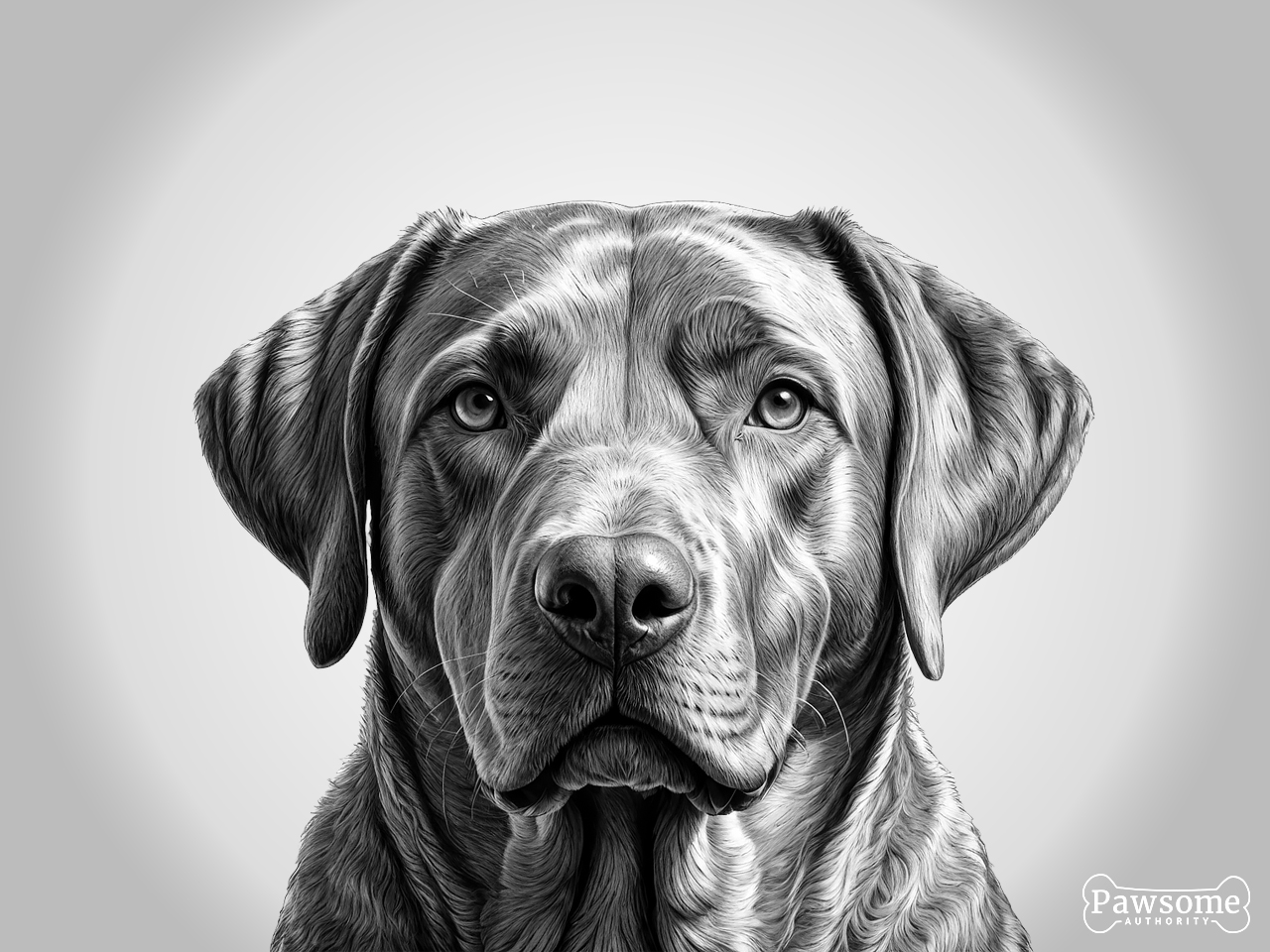
The Chesapeake Bay Retriever, or Chessie, is a large, athletic dog known for its water-resistant coat and swimming ability. This breed stands between 21 to 26 inches tall (53.5 to 66 centimeters) and weighs 55 to 80 pounds (25 to 36.5 kilograms). They have a life expectancy of 10 to 13 years and may face certain health conditions.
Chessies are intelligent, protective, and courageous, making them wonderful companions. They are highly energetic and intelligent, requiring regular mental stimulation. They adapt well to family life and are relatively playful and affectionate with children. With their energetic nature, Chessies thrive in homes with active owners who enjoy outdoor activities. Ideally, they live in houses with spacious yards.
Origin & History
Breed:
Pronunciation:
Other Name(s):
Origin:
Group:
Suggested Names (Male):
Suggested Names (Female):
The Chesapeake Bay Retriever originated in the United States during the 19th century. Named after its beginnings as a waterfowl retriever in the Chesapeake Bay area, this breed is known for its excellent swimming and retrieving skills. The name reflects its historical roots and primary function.
Chessies were developed by breeding the Newfoundland, Irish Water Spaniel, and various hounds. Their primary purpose was retrieving waterfowl and hunting birds, showcasing their strength and endurance. The breed was also used for hunting small game, making it a versatile hunter.
Throughout history, the Chesapeake Bay Retriever has been influential in hunting communities. The breed’s popularity fluctuated with industrialization but persisted because of its exceptional skills in waterfowl retrieval. Its protective nature also added to its appeal.
The breed evolved to maintain its retrieving abilities while also becoming a loyal companion. Today, Chessies are still used for hunting and make excellent family pets. They are known for their intelligence and determination, which are essential for their retrieving and hunting roles.
The American Kennel Club (AKC) recognized the Chesapeake Bay Retriever in 1878, while the United Kennel Club (UKC) followed in 1927. The Fédération Cynologique Internationale (FCI) recognized the breed in 1964, solidifying its status internationally.
Appearance & Characteristics
Size:
Height (Male):
Height (Female):
Weight (Male):
Weight (Female):
Coat Length:
Coat Type:
Double Coat:
Hypoallergenic:
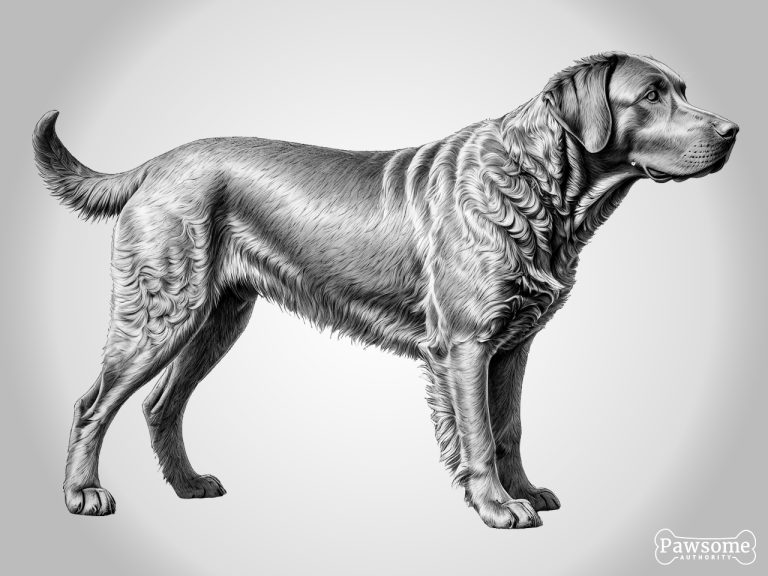
Chesapeake Bay Retrievers are large dogs with an athletic build. Males stand 23 to 26 inches (58.5 to 66 centimeters) tall, while females are slightly shorter at 21 to 24 inches (53.5 to 61 centimeters). Males weigh between 65 to 80 pounds (29.5 to 36.5 kilograms), and females weigh from 55 to 70 pounds (25 to 31.5 kilograms).
The breed has a short, wiry double coat that is water-resistant. Chessies come in various colors, including brown, sedge, and deadgrass. They may have white spots on their breast, belly, toes, or back of the feet. However, they are not hypoallergenic.
Their face is intelligent and protective, with a broad, rounded head. Chessies have a medium, strong muzzle and a nose that matches their coat color. They have amber eyes and medium, floppy ears. Their jaws form a scissor bite, which is ideal for retrieving.
Chessies have a moderate-length, muscular neck and strong, well-laid-back shoulders. Their body is sturdy and muscular with a deep chest and strong back. They have a level topline and a medium-length otter tail that aids in their swimming abilities.
Temperament & Behavior
Affection:
Playfulness:
Protectiveness:
Territoriality:
Prey Drive:
Barking:
With Children:
With Adults:
With Dogs:
With Pets:
With Strangers:
The Chesapeake Bay Retriever is known for its intelligent and protective temperament. It is affectionate and moderately playful, with a strong sense of protectiveness. Chessies can be territorial and have a moderate tendency to bark, making them good watchdogs.
They are intelligent and eager to please, but can also be stubborn. Chessies are sensitive and trainable, although they require firm leadership. They are not ideal for first-time owners because of their need for experienced handling and understanding of their behavior.
Chessies are moderately good with children, showing affection and playfulness. They can coexist with other pets and dogs but require proper socialization. They are friendly with adults but may be cautious with strangers, emphasizing their protective nature.
Training & Exercise

Energy:
Intelligence:
Mental Stimulation:
Obedience:
Trainability:
Chesapeake Bay Retrievers require both physical and mental stimulation because of their intelligence and energy. Without adequate stimulation, they can become bored and develop behavioral issues. Daily exercise for a Chessie includes 60 to 90 minutes of moderate to high-intensity activity.
Sample Chesapeake Bay Retriever daily activity schedule:
- Morning: 30-minute brisk walk or jog
- Afternoon: 20-minute fetch session
- Evening: 20-minute swim or hike
Chesapeake Bay Retriever socialization, Chesapeake Bay Retriever potty training, Chesapeake Bay Retriever obedience training, and Chesapeake Bay Retriever behavior training are important for Chessies. Begin socialization early to ensure they are well-adjusted. Consistent obedience and behavior training helps manage their protective instincts and ensures they are well-behaved.
Grooming & Maintenance
Shedding:
Grooming:
Drooling:
Chesapeake Bay Retrievers have a moderate shedding rate, which increases in spring and fall. Their grooming needs require attention to maintain their coat’s health and appearance. General care for Chessies includes brushing, bathing, nail clipping, ear cleaning, teeth cleaning, and mouth wiping.
Typical Chesapeake Bay Retriever grooming and care schedule:
- Brushing: Every 3 to 4 days with a slicker brush and de-shedding tool
- Bathing: Every 8 to 10 weeks with dog-friendly shampoo
- Nail clipping: Every 3 to 4 weeks using plier or guillotine-style clippers
- Ear cleaning: Weekly or twice weekly with cotton balls or gauze and a dog-friendly ear cleaner
- Teeth cleaning: 2 to 3 times a week with a dog-specific toothbrush
- Mouth wiping: As required to manage drooling
Health & Lifespan
Lifespan:
Health Issues:
Dental Issues:
Ear Issues:
Eye Issues:
Chesapeake Bay Retrievers have a life expectancy of 10 to 13 years. They are predisposed to health issues like Hip Dysplasia, Elbow Dysplasia, Hypothyroidism, Gastric Dilatation-Volvulus, and Osteochondritis Dissecans.
Other health conditions Chesapeake Bay Retrievers are susceptible to include:
Chessies have a strong jaw and well-aligned teeth, reducing the likelihood of dental issues. However, they should still have their teeth brushed 2 to 3 times a week. Their floppy ears can trap moisture and debris, leading to ear issues, so they require regular cleaning. Eye issues like PRA and cataracts can occur, so monitoring is essential.
Routine veterinary care for Chessies involves regular visits for preventive measures and early intervention. Tailored care is important to address any specific health concerns and ensure a long, healthy life for your Chessie.
Breed Suitability

Experience Level:
First-Time Owner:
Apartment Living:
Chesapeake Bay Retrievers suit active owners who enjoy outdoor activities. Their intelligence, energy, and need for mental stimulation require dedicated time and attention. Chessies have moderate grooming needs to maintain their coat’s health.
They are not ideal for first-time dog owners because of their stubbornness and moderate eagerness to please. Their trainability requires experienced handling and understanding. Consistent training and leadership are essential for a well-behaved Chessie.
Chessies are affectionate and playful, making them suitable for families. They are protective and territorial, which can be beneficial when living with children and pets. Proper socialization ensures they interact well with family members and other animals.
These large dogs are ideal for suburban or rural homes with spacious yards. They tolerate moderate to cool climates, but may struggle in small apartments. Their barking tendencies can be managed with behavior training, making them adaptable to various living situations.
Frequently Asked Questions
Are Chesapeake Bay Retrievers Good with Children?
Yes, Chessies can be good with children. They are affectionate and moderately playful, making them great companions for kids. Their protective nature ensures they watch over the family, but supervision and training are essential for safe interactions.
Are Chesapeake Bay Retrievers Good with Other Pets?
Yes, Chessies can get along with other pets. They may be territorial, so early Chesapeake Bay Retriever socialization is important. Introducing them to other animals gradually helps create a harmonious environment and reduces the risk of territorial disputes.
Are Chesapeake Bay Retrievers Good for First-Time Dog Owners?
No, Chessies are not ideal for first-time owners. Their moderate trainability and obedience require experienced handling. They can be stubborn, needing consistent Chesapeake Bay Retriever obedience training. An owner with experience is better suited to manage their behavior.
Do Chesapeake Bay Retrievers Shed a Lot?
Chessies have a moderate shedding rate, increasing in spring and fall. They require regular brushing every 3 to 4 days to manage shedding and maintain coat health. Their grooming needs are manageable with a consistent care routine.
Do Chesapeake Bay Retrievers Bark a Lot?
Yes, Chessies have moderate barking tendencies. Their vocal nature is often used for communication and protection. Chesapeake Bay Retriever behavior training can help manage excessive barking and ensure they only bark when necessary.
Can Chesapeake Bay Retrievers Live In an Apartment?
Chessies are not well-suited to apartment living. They prefer homes with spacious yards where they can exercise freely. Their barking and size, coupled with their need for 60 to 90 minutes of daily activity, make suburban or rural environments more suitable.
Can Chesapeake Bay Retrievers Be Left Alone for Long Periods?
No, Chessies should not be left alone for long periods. They can develop separation anxiety. Gradual separation training, low-key arrivals and departures, and using a dog sitter or daycare can help manage their anxiety and keep them content.
Can Chesapeake Bay Retrievers Swim?
Yes, Chessies have excellent swimming abilities. However, they require supervision and safety precautions. Do not force them into water and always ensure they are in a safe environment while swimming.


