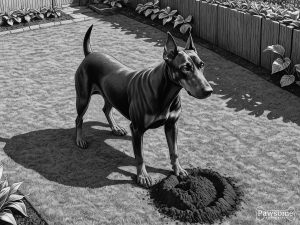
The Doberman Pinscher, known for its intelligence, muscular build, and protective instincts, is a large and athletic breed. Dobes stand between 24 to 28 inches (61 to 71 cm) tall and weigh 60 to 100 pounds (27 to 45.5 kg). They have a life expectancy of 10 to 13 years but may face certain health conditions.
With a loyal and energetic temperament, Doberman Pinschers are alert and obedient. They are moderately affectionate, but are highly playful and protective. Though they interact well with adults, they need careful socialization with children and other pets. They thrive in active lifestyles with plenty of mental stimulation.
Origin & History
Breed:
Pronunciation:
Other Name(s):
Origin:
Group:
Suggested Names (Male):
Suggested Names (Female):
The Doberman Pinscher originated in Germany in the 19th century. Named after Karl Friedrich Louis Dobermann, the breed is known for its protective nature and intelligence. These dogs were initially bred for guarding and protection.
Developed from breeds like the Rottweiler, German Pinscher, and Weimaraner, Dobermans served various roles. Historically, they were used in police and military work, showcasing their strength and alertness. These qualities made them ideal for protection duties.
Throughout history, Doberman Pinschers have influenced various sectors, including law enforcement and the military. The rise of industrialization saw them adapt to new roles. Their popularity fluctuated over the years, with peaks and declines, but remained significant.
Today, the Doberman Pinscher has evolved into a working dog and a companion. Their fearless and obedient temperament is still valued in police and military roles, but they also serve as loyal family pets and service animals.
Recognition of the Doberman Pinscher by major kennel clubs came early on. The American Kennel Club (AKC) acknowledged the breed in 1908, followed by the United Kennel Club (UKC) in 1940 and the Fédération Cynologique Internationale (FCI) in 1955. These recognitions solidified their status among dog breeds.
Appearance & Characteristics
Size:
Height (Male):
Height (Female):
Weight (Male):
Weight (Female):
Coat Length:
Coat Type:
Double Coat:
Hypoallergenic:
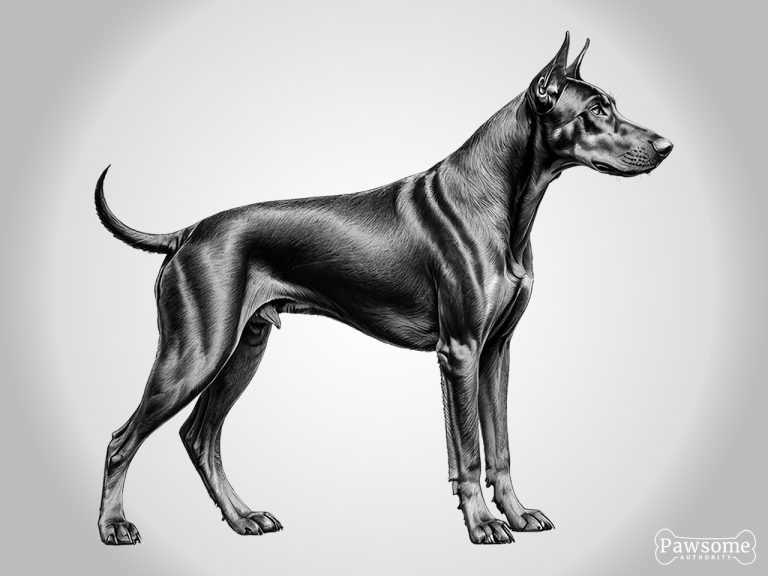
Doberman Pinschers are large, with an athletic build. Males stand 26 to 28 inches (66 to 71 cm), while females are 24 to 26 inches (61 to 66 cm). Males weigh between 75 to 100 pounds (34 to 45.5 kg), and females weigh 60 to 90 pounds (27 to 41 kg).
Their short, smooth coat comes in black, red, blue, and fawn colors with rust markings. Although they are not hypoallergenic, their grooming needs are manageable. The Doberman does not have a double coat and requires regular brushing to maintain their sleek appearance.
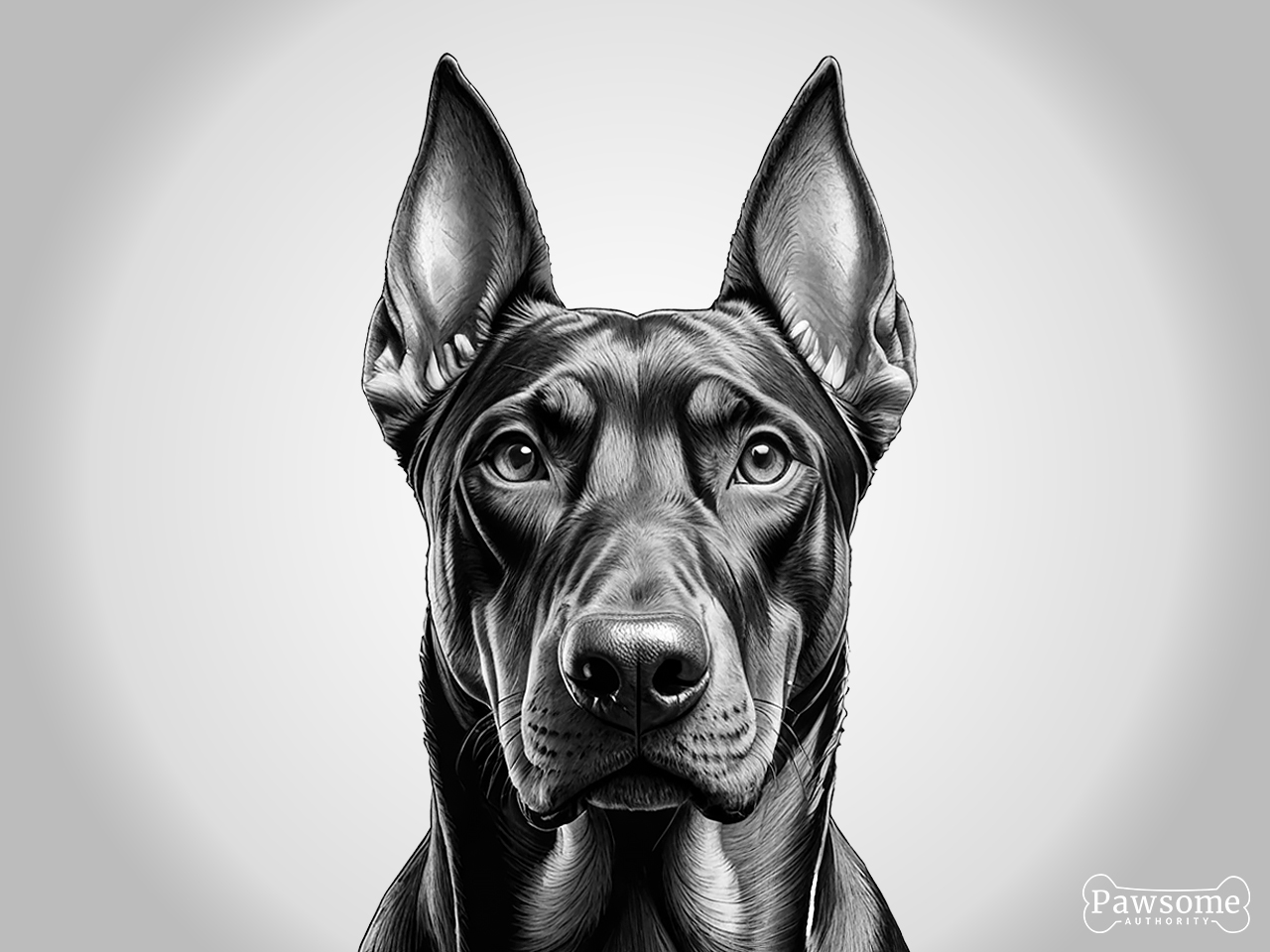
The Doberman has a regal face with a wedge-shaped head and a long, strong muzzle. Their nose color matches their coat, either black or brown. They have dark brown, blue, or amber eyes. Ears are typically cropped or can be left floppy.
Dobermans have a long, muscular neck and well-laid-back shoulders. Their compact, muscular body features a deep chest and strong back. They have a short docked tail, contributing to their well-proportioned appearance.
Temperament & Behavior
Affection:
Playfulness:
Protectiveness:
Territoriality:
Prey Drive:
Barking:
With Children:
With Adults:
With Dogs:
With Pets:
With Strangers:
The Doberman Pinscher’s temperament is loyal, intelligent, and fearless. They show high affection and playfulness. Their protectiveness and territoriality make them excellent guard dogs. Dobermans are alert and may bark when necessary, reflecting their watchdog abilities.
Known for their intelligence, Dobermans can be stubborn but are eager to please. They are highly trainable and obedient, suitable for experienced owners. However, they may not be ideal for first-time owners because of their need for firm leadership.
Dobermans interact well with adults and children but require socialization to ensure comfort with other pets. Their strong prey drive means supervised interactions are essential. They can be wary of strangers, so early exposure is beneficial.
Training & Exercise

Energy:
Intelligence:
Mental Stimulation:
Obedience:
Trainability:
Dobermans require significant physical and mental stimulation. Their intelligence and high energy levels require engaging activities to prevent boredom. Daily exercise for a Doberman should total 90 to 120 minutes, with moderate to high-intensity activities.
Sample Doberman Pinscher daily activity schedule:
- Morning: 30-minute brisk walk or jog
- Afternoon: 30-minute obedience or agility training session
- Evening: 30-minute playtime session
Dobermans benefit from early Doberman Pinscher socialization, Doberman Pinscher potty training, Doberman Pinscher obedience training, and Doberman Pinscher behavior training. Training should be consistent and positive. These aspects ensure they grow into well-rounded and adaptable companions.
Grooming & Maintenance
Shedding:
Grooming:
Drooling:
Doberman Pinschers have a low shedding rate, primarily during spring and fall. Their grooming needs are moderate, with brushing required to ensure a healthy coat and skin. General care for Dobes includes brushing, bathing, nail clipping, ear cleaning, and teeth cleaning.
Typical Doberman Pinscher grooming and care schedule:
- Brushing: Every 4 to 5 days with a bristle brush or rubber brush
- Bathing: Every 8 to 10 weeks with dog-friendly shampoo
- Nail Clipping: Every 3 to 4 weeks with plier or guillotine-style clippers
- Ear cleaning: Weekly or twice weekly with cotton balls or gauze and a dog-friendly ear cleaner
- Teeth Cleaning: 2 to 3 times a week with a dog-specific toothbrush
Health & Lifespan
Lifespan:
Health Issues:
Dental Issues:
Ear Issues:
Eye Issues:
Dobermans have a life expectancy of 10 to 13 years. They are predisposed to health issues like Canine Dilated Cardiomyopathy, Von Willebrand Disease, Cervical Spondylomyelopathy, Hip Dysplasia, and Hypothyroidism.
Other health conditions Doberman Pinschers are susceptible to include:
Dental issues in Dobermans are minimal because of their powerful jaws and well-aligned teeth. Regular brushing prevents problems. Cropped ears allow good air circulation, reducing infection risks. Eye issues like cataracts and PRA require monitoring.
Routine veterinary care is important for Dobermans. Regular visits, preventive measures, and early intervention help maintain their health. Tailored care ensures any potential issues are addressed promptly.
Breed Suitability

Experience Level:
First-Time Owner:
Apartment Living:
Dobermans fit well with active, family-oriented lifestyles. They require mental stimulation and regular grooming. Their intelligence and energy levels demand engaging activities. Families with older children and those who enjoy outdoor pursuits find them ideal companions.
Experience with dogs is beneficial for Dobe owners. Though eager to please and highly trainable, they can be stubborn. Novice owners may struggle with their demands, making them better suited for those with experience.
Dobermans are affectionate, playful, and protective, making them good family dogs. They are territorial and may need careful introduction to children and other pets, ensuring harmonious household relationships.
Given their large size and energy levels, Dobes thrive in homes with spacious yards. They prefer moderate to warm climates. Their barking tendencies may not suit apartment living without proper training and exercise.
Frequently Asked Questions
Are Doberman Pinschers Good with Children?
Yes, Dobes can be good with children, especially when well-socialized. They show affection and playfulness but are also protective. Supervision and training ensure positive interactions.
Are Doberman Pinschers Good with Other Pets?
No, Dobes may not be ideal with other pets because of their territorial nature. However, with proper Doberman Pinscher socialization, they can learn to coexist peacefully.
Are Doberman Pinschers Good for First-Time Dog Owners?
No, Dobes are not recommended for first-time owners. Their high energy, trainability, and occasional stubbornness require experienced handling and consistent Doberman Pinscher obedience training.
Do Doberman Pinschers Shed a Lot?
Dobes have a low shedding rate, which increases in spring and fall. Their grooming needs are moderate, with regular brushing every 4 to 5 days.
Do Doberman Pinschers Bark a Lot?
Yes, Dobes may bark because of their protective instincts. Doberman Pinscher behavior training can help manage their vocal tendencies.
Can Doberman Pinschers Live In an Apartment?
Dobes are not well-suited for apartment living. Their large size, need for activity, and barking make a spacious environment more suitable.
Can Doberman Pinschers Be Left Alone for Long Periods?
No, Dobes may experience separation anxiety if left alone for extended periods. Gradual separation training and dog sitters or daycare help alleviate this.
Can Doberman Pinschers Swim?
Yes, Dobes can swim, but supervision is necessary. Ensure their safety and comfort in water, and never force them to swim.