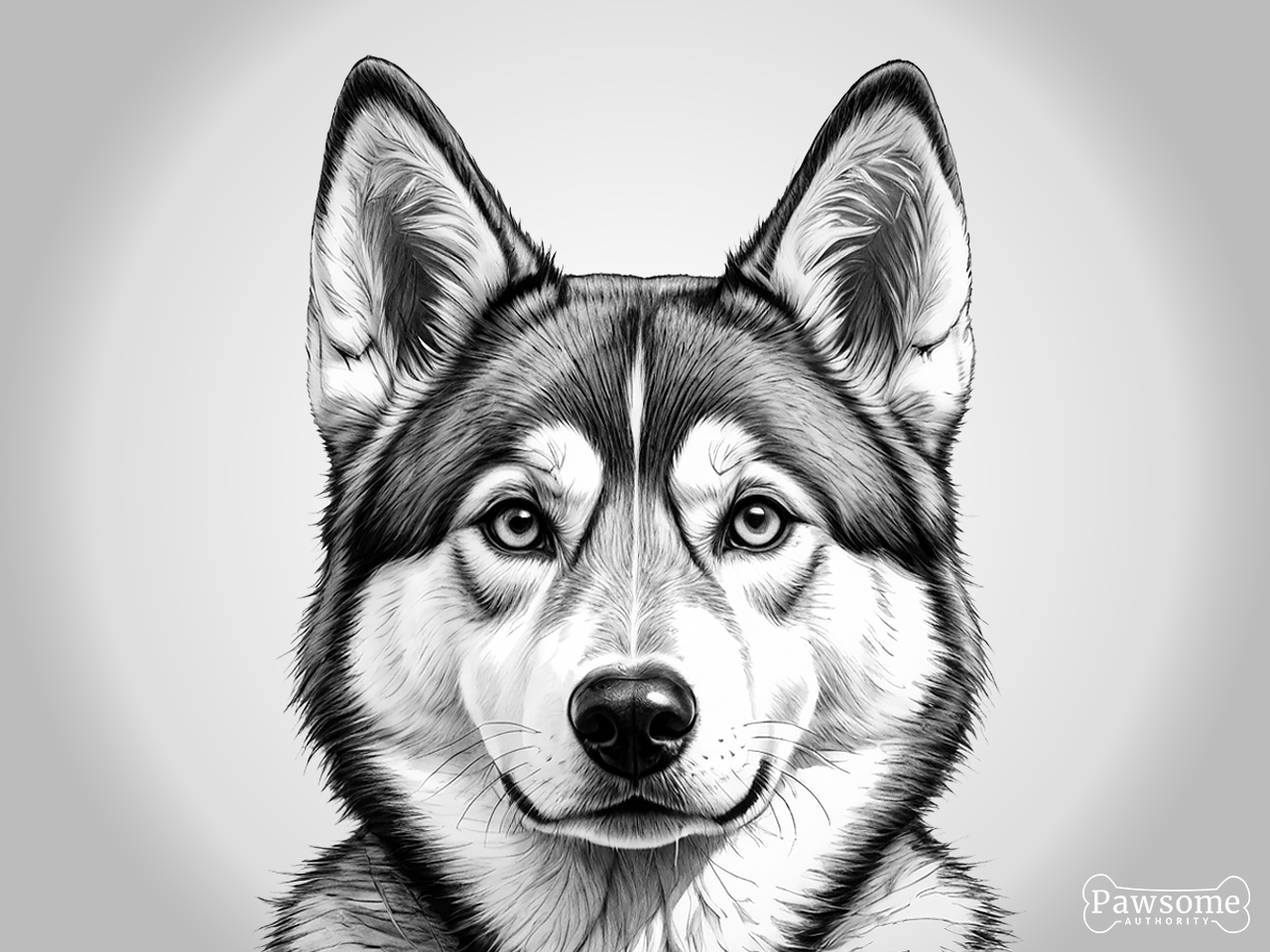
The Siberian Husky, commonly known as the Husky, is a medium-sized, athletic dog recognized for its endurance and striking blue eyes. They stand 20 to 23.5 inches (51 to 59.5 centimeters) tall and weigh between 35 and 60 pounds (16 to 27 kilograms). Huskies have a lifespan of 12 to 15 years and may face certain health conditions.
Friendly yet independent, Huskies are energetic and alert, making them great companions for children and other pets. They thrive on mental stimulation and are highly intelligent. Ideal for active owners, they require a spacious environment to match their lively nature.
Origin & History
Breed:
Pronunciation:
Other Name(s):
Origin:
Group:
Suggested Names (Male):
Suggested Names (Female):
The Siberian Husky traces its origins back to Siberia, Russia, around the 3rd millennium BC. Recognized for its sled-pulling ability, the breed’s name highlights its historical role in harsh Siberian climates. Huskies were indispensable for transportation and working in snowy terrains.
Developed from Chukchi sled dogs and Spitz-type breeds, Huskies were primarily used by the Chukchi people for sledding. These dogs played important roles in transportation and other working purposes, showcasing their endurance and strength.
Throughout history, the Siberian Husky gained recognition for its influence in regions beyond Siberia. The breed’s popularity rose with industrialization as people sought efficient working dogs. This led to an increased interest in Huskies as both working and companion animals.
Over time, the Siberian Husky has evolved into a versatile breed. While they still take part in sledding and transportation, Huskies also excel in companionship, dog shows, and agility competitions. Their friendly and alert nature makes them great companions.
The Siberian Husky gained recognition from major kennel clubs. The American Kennel Club (AKC) recognized them in 1930, the United Kennel Club (UKC) in 1938, and the Fédération Cynologique Internationale (FCI) in 1966. These recognitions solidified their status as a popular breed.
Appearance & Characteristics
Size:
Height (Male):
Height (Female):
Weight (Male):
Weight (Female):
Coat Length:
Coat Type:
Double Coat:
Hypoallergenic:
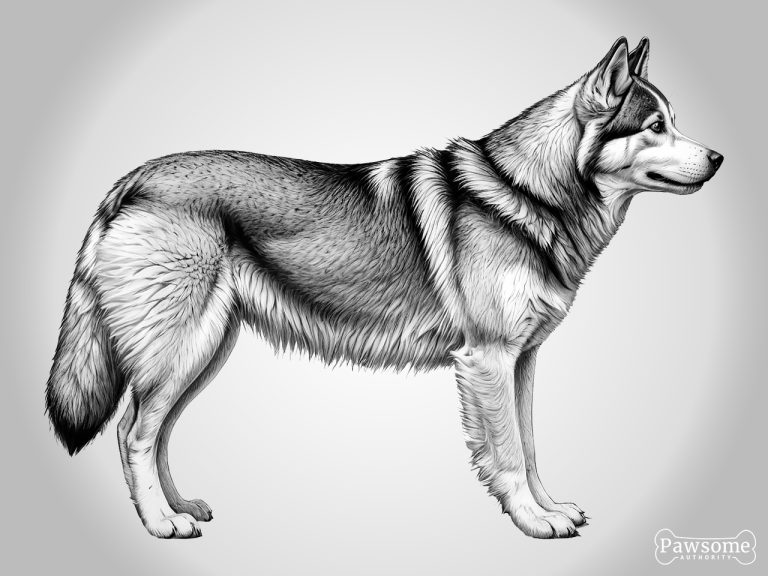
Huskies are medium-sized with an athletic build. Males stand 21 to 23.5 inches (53.5 to 59.5 centimeters), while females stand 20 to 22 inches (51 to 56 centimeters). Males weigh 45 to 60 pounds (20.5 to 27 kilograms), whereas females weigh 35 to 50 pounds (16 to 22.5 kilograms).
Their coat is medium-length, straight, and double-layered, providing insulation against cold climates. Huskies come in various colors, including black, gray, agouti, sable, red, and white, with distinctive markings. However, they are not hypoallergenic.
Huskies have a wolf-like, expressive face with a rounded head and medium, straight muzzle. They have erect ears and eyes that can be blue, brown, amber, or a combination. Their powerful jaws meet in a scissor bite, contributing to their distinct appearance.
The breed’s neck is moderately long, arched, and strong. Well-laid-back shoulders provide good angulation. Their balanced, well-proportioned body features a moderately deep chest, strong back, and level topline. Their tail is long and sickle-shaped, completing their striking look.
Temperament & Behavior
Affection:
Playfulness:
Protectiveness:
Territoriality:
Prey Drive:
Barking:
With Children:
With Adults:
With Dogs:
With Pets:
With Strangers:
Huskies show a playful, energetic demeanor. They are affectionate and protective, but not overly territorial. Their vocal tendencies are moderate, making them alert but not excessive barkers. Huskies are friendly yet independent, often showing a mischievous streak.
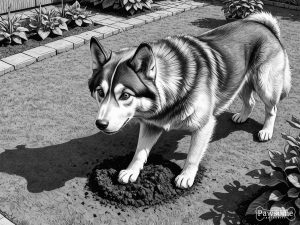
Highly intelligent, Huskies can be stubborn. Their sensitivity is low, requiring firm guidance. They are trainable and obedient but need an experienced owner. First-time owners may struggle because of their strong-willed nature and eagerness to explore.
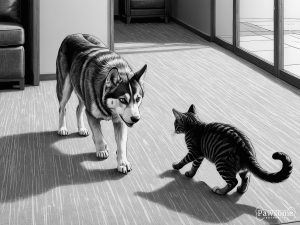
Huskies get along well with children, dogs, and other pets. They are affectionate and playful, making them excellent companions. However, their high prey drive requires supervision around smaller animals. They are friendly with adults and accepting of strangers.
Training & Exercise
Energy:
Intelligence:
Mental Stimulation:
Obedience:
Trainability:
Huskies require extensive physical and mental stimulation because of their high energy and intelligence. Without proper engagement, they may become bored and show undesirable behaviors. Daily exercise for Huskies should total 90 to 120 minutes, incorporating high-intensity activities like running, jogging, sledding, hiking, and playing.
Sample Siberian Husky daily activity schedule:
- Morning: 30-minute brisk walk or jog
- Afternoon: 30-minute fetch session
- Evening: 40-minute hike or agility training session
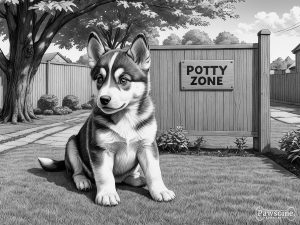
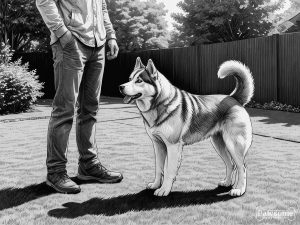
Siberian Husky socialization, Siberian Husky potty training, Siberian Husky obedience training, and Siberian Husky behavior training are essential for Huskies. Early socialization helps them interact well with other dogs and people. Consistent obedience training addresses their stubbornness, ensuring they become well-mannered companions.
Grooming & Maintenance
Shedding:
Grooming:
Drooling:
Huskies have a high shedding rate, especially during spring and fall. Their grooming needs are moderate, requiring regular brushing to manage shedding and distribute natural oils. General care for Huskies includes brushing, bathing, nail clipping, ear cleaning, and teeth brushing.
Typical Siberian Husky grooming and care schedule:
- Brushing: Every 3 to 4 days with a slicker brush and de-shedding tool
- Bathing: Every 6 to 8 weeks with dog-friendly shampoo
- Nail clipping: Every 3 to 4 weeks with plier or guillotine-style clippers
- Ear cleaning: Weekly or twice weekly with cotton balls or gauze and a dog-friendly ear cleaner
- Teeth cleaning: 2 to 3 times a week with a dog-specific toothbrush
Health & Lifespan
Lifespan:
Health Issues:
Dental Issues:
Ear Issues:
Eye Issues:
Siberian Huskies have a life expectancy of 12 to 15 years. They are predisposed to health issues like Hip Dysplasia, Cataracts, Progressive Retinal Atrophy, Hypothyroidism, and Zinc Responsive Dermatosis.
Other health conditions Siberian Huskies are susceptible to include:
Huskies have a low risk of dental issues because of their powerful jaws and well-aligned teeth. Their erect ears have good air circulation, reducing ear infections. However, their eyes are prone to cataracts, PRA, and corneal dystrophy.
Routine veterinary care is important for Huskies. Regular check-ups, vaccinations, and preventive measures help maintain their health. Early intervention for any issues ensures they live long, healthy lives. Tailored care plans address individual health needs.
Breed Suitability
Experience Level:
First-Time Owner:
Apartment Living:
Huskies are suitable for active, energetic owners who enjoy outdoor activities. Their intelligence and energy require mental stimulation. Grooming needs are manageable, although their shedding may require regular maintenance.
Experienced owners are best suited for Huskies. Their stubborn nature and eagerness to explore require firm, consistent training. While they can be eager to please, first-time owners may find their independent streak challenging.
Huskies are affectionate and playful, making them great family companions. They are protective but not overly territorial. With proper socialization, they get along well with children and other pets, providing endless entertainment and companionship.
While Huskies can adapt to various living situations, they thrive in houses with spacious yards. Cold climates suit them best, given their thick coats. Their barking tendencies and size make apartment living challenging, but with adequate exercise, they can adjust.
Frequently Asked Questions
Are Siberian Huskies Good with Children?
Yes, Huskies are good with children. They are affectionate and playful, offering a protective presence. Their friendly nature makes them excellent companions, providing endless fun and loyalty to families with kids.
Are Siberian Huskies Good with Other Pets?
Yes, Huskies get along with other pets. However, because of their territorial nature, early Siberian Husky socialization is essential. Proper introduction and supervision can help them coexist well with other animals in the household.
Are Siberian Huskies Good for First-Time Dog Owners?
No, Huskies are not ideal for first-time owners. Their strong-willed nature requires experienced handling. While trainable and obedient, they can be stubborn. Consistent Siberian Husky obedience training is important to ensure they become well-mannered companions.
Do Siberian Huskies Shed a Lot?
Yes, Huskies shed significantly, especially during seasonal changes. Their grooming needs are moderate, with regular brushing required every 3 to 4 days to manage shedding. Their thick double coat demands consistent care to maintain its health and appearance.
Do Siberian Huskies Bark a Lot?
No, Huskies do not bark excessively. Their vocal tendencies are moderate, making them alert but not overly noisy. Proper Siberian Husky behavior training can help manage any barking issues and ensure they communicate appropriately.
Can Siberian Huskies Live In an Apartment?
Huskies are not well-suited for apartment living. They prefer a spacious environment to roam and exercise. Their high energy levels and barking tendencies make them better suited for homes with ample outdoor space.
Can Siberian Huskies Be Left Alone for Long Periods?
No, Huskies should not be left alone for extended periods. They may experience separation anxiety. Gradual separation, low-key arrivals and departures, or hiring a dog sitter or using doggy daycare can help manage their anxiety.
Can Siberian Huskies Swim?
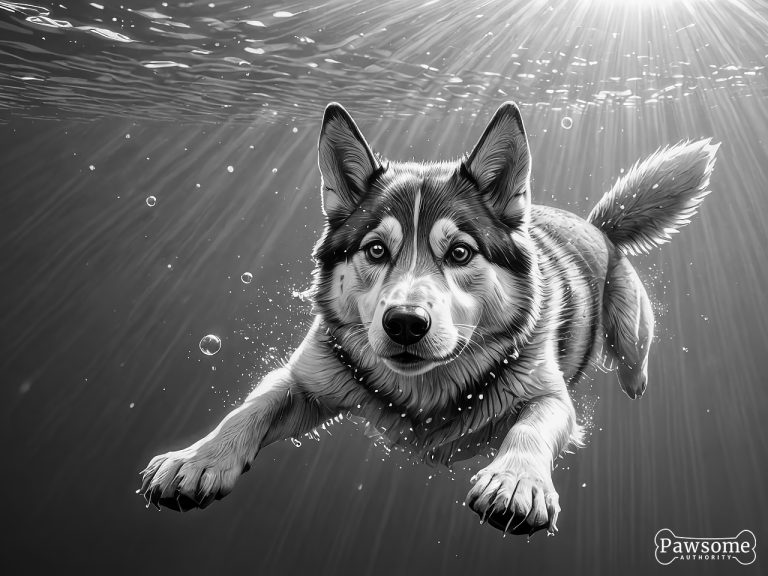
Yes, Huskies can swim, but supervision is necessary to ensure their safety. While they have swimming ability, never force them into water. Safe, controlled environments help them enjoy water activities comfortably.