Sensitivity:
Obedience:
Trainability:
Stubbornness:
Attention Span:
Obedience training your Wirehaired Pointing Griffon fosters respect and harmony in the household. This training clarifies roles and responsibilities, helping your Griff understand its place within the family. Benefits include building leadership, trust, and discipline, which strengthens the bond between you and your dog.
Griffs are intelligent, energetic, and eager to please, making obedience training rewarding. However, their high energy and attention span require a specific approach. This step-by-step guide will walk you through a structured process to train your Wirehaired Pointing Griffon effectively.
Step 1: Choose a Training Method
Understanding your Griff’s temperament is important for selecting a training method. Griffs are loyal, intelligent, and energetic, making them eager learners. Their eagerness to please requires a method that capitalizes on positive reinforcement and engagement.
Selecting appropriate equipment is essential for effective training. A harness, leash, and clicker are recommended for Griffs. These tools help manage their high energy and support their trainability by providing clear signals and rewards during training sessions.
Consistency in training methods and equipment is important for Griffs. Their intelligence and attention span require a stable routine to avoid confusion. Sticking to one method ensures they understand expectations and respond predictably to commands.
Step 2: Establish a Routine
Setting realistic goals is important when training Griffs. Start with simple commands like “sit” and “stay,” then progress to complex ones. Their trainable nature allows for gradual advancement at their own learning pace.
Choosing a location for training is important. Griffs need a quiet, distraction-free environment to focus on learning. Their friendly and energetic nature makes them easily distracted, so a calm setting enhances their ability to absorb commands.
Establishing a daily schedule helps Griffs thrive. Aim for 2 to 3 training sessions a day, each lasting 10 to 15 minutes. Consistency in timing, even on weekends, supports their trainability and maintains their attention span.
Sample Wirehaired Pointing Griffon basic obedience commands training schedule:
- Morning: Practice the “stay” command 5 times
- Afternoon: Go over the “sit” command 5 times
- Evening: Teach the “come” command 5 times
Sample Wirehaired Pointing Griffon advanced obedience commands training schedule:
- Morning: Practice the “heel” command 5 times
- Afternoon: Teach the “no” command 5 times
- Evening: Go over the “leave it” and “down” commands 3 times each
Step 3: Assert Leadership

Establishing leadership with your Griff is important for effective training. By being firm and fair, you become the pack leader. This breed responds well to confident direction, supporting their obedient nature.
Setting boundaries is essential for Griffs. Define acceptable and unacceptable behaviors. Their intelligence and trainability make them receptive to rules and boundaries, enhancing their understanding of household expectations.
Rewarding obedience through positive reinforcement reinforces good behavior in Griffs. Immediate rewards encourage them to repeat desired behaviors. Their eagerness to please makes positive reinforcement a powerful tool in their training.
Step 4: Teach Basic Commands
Teaching your Griff basic commands like “sit,” “stay,” and “come” is fundamental for obedience. Immediate rewards reinforce these commands, capitalizing on their eagerness to please and trainable nature.
To teach “sit,” hold a treat above your Griff’s head, moving it back until they naturally sit. Reward immediately to reinforce the behavior. Their intelligence makes them quick learners of this basic command.
Begin teaching “stay” by having your Griff in a “sit” position. Use a hand signal and say “stay” as you step back. Gradually increase the distance, rewarding them when they remain in place.
For “stay,” start with your Griff in a “sit” position, then use “stay” before commanding “come.” Encourage them to move towards you, rewarding them immediately. Their trainability supports quick learning of this essential command.
Wirehaired Pointing Griffon basic obedience commands cheat sheet:
- Sit: Hold a treat above the head, say “sit,” reward sitting
- Stay: From the “sit” position, command “stay,” increase distance, reward staying
- Come: In the “sit” and “stay” positions, say “come,” reward arrival
Step 5: Expand Commands
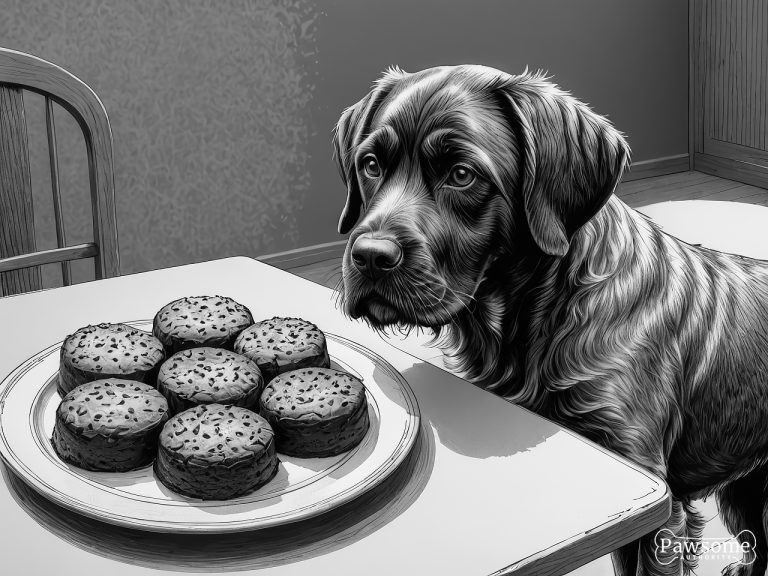
Teaching your Griff advanced commands like “down,” “off,” “heel,” “no,” and “leave it” enhances obedience. Positive reinforcement is key, as their intelligence and eagerness to please drive successful training.
To teach “down,” guide your Griff into a lying position by lowering a treat to the ground. Reward right away when they comply. Their trainable nature supports learning this advanced command.
Teaching “off” involves directing your Griff away from furniture or people. Use a firm voice to command “off,” rewarding them when they respond appropriately. Consistent practice reinforces this behavior.
For “heel,” encourage your Griff to walk beside you. Use a leash and reward them for maintaining position. Their trainability makes them responsive to this command with regular practice.
Use the “no” command sparingly, in a firm voice, to correct unwanted behavior. Griffs respond well to clear boundaries, so consistent use reinforces this advanced command.
To teach “leave it,” discourage your Griff from touching an object. Start with a treat, saying “leave it,” and reward when they obey. Their intelligence aids quick understanding of this command.
Wirehaired Pointing Griffon advanced obedience commands cheat sheet:
- Down: Lower a treat to the ground while commanding “down,” reward lying
- Off: Direct away from an undesired area while saying “off,” reward compliance
- Heel: Instruct “heel” when walking with a short leash, reward walking beside
- No: Discourage unwanted behavior while saying “no,” reward obedience
- Leave It: Guide away from an object or item while commanding “leave it,” reward restraint
Step 6: Advance to Complex Commands
Advancing to complex commands enhances your Griff’s obedience and mental stimulation. Commands like “fetch, bring back” and “heel, sit, wait” build on their intelligence and trainability.
Teach “fetch, bring back” using a toy. Command “fetch,” encouraging your Griff to retrieve and return the item. Reward immediately, using their energetic and trainable traits.
For “heel, sit, wait,” have your Griff walk beside you, then “sit” and “wait” patiently. Reward them for maintaining each position. Their intelligence supports quick learning of this complex sequence.
Wirehaired Pointing Griffon complex obedience commands cheat sheet:
- Fetch, Bring Back: Throw a toy, command “fetch, bring back,” reward retrieval
- Heel, Sit, Wait: Instruct “heel” when walking, then “sit” and “wait,” reward patience
Step 7: Maintain Obedience Training
Continuing regular training sessions is important for Griffs. Scheduled practice instills obedience and reinforces learned commands, capitalizing on their trainable nature and eagerness to please.
Increasing challenges in training keeps your Griff engaged. Vary difficulty and types of commands while maintaining realistic expectations. Their intelligence supports adapting to new challenges.
Keeping training sessions engaging is important for Griffs. Use different environments and combine playtime with training. Immediate rewards maintain their interest and capitalize on their energetic nature.
Mistakes to Avoid
Using negative reinforcement can confuse your Griff. This breed responds positively to encouragement and rewards.
Holding long training sessions can overwhelm your Wirehaired Pointing Griffon. Their energetic and intelligent nature benefits from short, focused sessions.
Being inconsistent with training can confuse your Griff, as they thrive on routine and predictability. Consistent commands and expectations reinforce learning.
Changing commands or rules can confuse your Griff. Consistent language and expectations are key to effective training.
Delaying rewards can reduce the effectiveness of training. Immediate praise or treats reinforce positive behavior.
Frequently Asked Questions
How Long Does It Take to Obedience Train a Wirehaired Pointing Griffon?
Training a Griff takes 2 to 4 months, depending on command complexity. Start between 8 to 12 weeks old. While some Griffs may take longer, patience and consistency are key to successful training.
Why Might My Wirehaired Pointing Griffon Be Slow to Obedience Train?
Griffs may be slow because of individual temperament or negative experiences. Lack of motivation from inadequate rewards and inconsistent training can also hinder progress. Ensuring engagement and predictable routines boosts training success.
What Are the Most Important Commands to Teach a Wirehaired Pointing Griffon?
Key commands for Griffs include “sit,” “stay,” “come,” and “leave it” to ensure control and safety in various situations. Refer to the “Basic” and “Advanced” obedience commands cheat sheets for guidance.
What Should I Do if My Wirehaired Pointing Griffon Refuses to Obey Commands?
Revisit your Griff’s training schedule for consistency and goals. Simplify commands to avoid overwhelm, reduce distractions, and ensure rewards are appealing to maintain their interest and compliance.