Sociability:
Protectiveness:
Territoriality:
Prey Drive:
Sensitivity:
Good with Children:
Good with Adults:
Good with Dogs:
Good with Pets:
Good with Strangers:
Socializing your Wirehaired Pointing Griffon from a young age is essential. Starting early helps build confidence and lets them navigate the world with ease. Proper socialization increases their sociability, reduces anxiety, fear, and aggression, and helps manage instincts like their strong prey drive.
The Wirehaired Pointing Griffon, known for its energetic and friendly nature, benefits greatly from a structured socialization approach. This guide will walk you through the process step-by-step, considering the Griff’s unique characteristics.
Step 1: Start at Home
Create a safe space for your Griff at home where they feel comfortable and secure. This area should let them feel at ease, helping them manage their energetic nature and providing a retreat when needed.
Introduce your Griff to new sights, sounds, and smells within the home. Familiarize them with household noises such as vacuums and doorbells. This early exposure helps them adjust and reduces their sensitivity to sudden changes.
Encourage positive interactions with family members and other household pets. Use positive reinforcement to reward calm behavior. This approach nurtures their affectionate and trainable nature, setting a foundation for future social encounters.
Sample Wirehaired Pointing Griffon home socializaion schedule:
- Morning: Introduce household sounds, like the doorbell or hair dryer
- Afternoon: Reward calm interactions and play with family members
- Evening: Supervise exploration of a different room with unfamiliar objects
Step 2: Introduce New People & Animals
Invite friends over one at a time to gradually expose your Griff to new people. Ensure guests ignore the dog, letting your Griff approach at their own pace, which respects their friendly but protective nature.
Arrange controlled meetings with other dogs. Use scent items and meet on neutral territory. Start from a distance and gradually decrease it, providing clear instructions to ensure a positive experience for your Griff.
Encourage positive interactions by rewarding calm behavior with treats or praise. This reinforces their sociability and helps them build confidence in new situations.
Step 3: Take Your Dog on Walks
Expose your Griff to various stimuli on walks, including people, animals, and different objects. This exposure helps them adapt to new surroundings, leveraging their sociable and curious nature.
Focus on leash training to prevent pulling or lunging. A loose leash helps maintain control and keeps your Griff focused. This practice aligns with their eagerness to please and intelligence.
Gradually increase exposure to new environments. If your Griff seems fearful or distracted, reduce exposure, but increase it if they are adventurous. This ensures they remain comfortable while exploring new stimuli.
Step 4: Visit New Environments
Explore locations like parks, shops, and cafes with your Griff. These outings expose them to various environments, enhancing their adaptability and friendliness.
Increase distractions gradually, incorporating animals, people, and moving objects. This challenges their focus and helps them manage their instincts, particularly their high prey drive.
Keep sessions short and positive. Focus their attention and avoid overwhelming them. End each session on a positive note with rewards, reinforcing their trainable and obedient nature.
Step 5: Monitor & Manage Stress
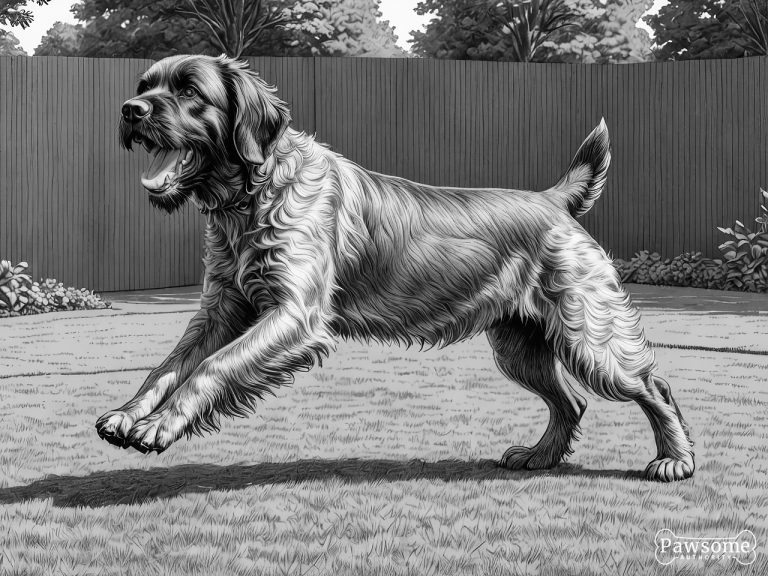
Recognize signs of stress in your Griff, such as fear, anxiety, or aggression. Understanding these cues helps manage their anxiety and ensures they remain at ease during socialization.
Calmly remove your Griff from overwhelming situations. Reassure them and try again later, respecting their sensitivity and protecting their sense of security.
Use calming techniques like treats, toys, or a soothing voice to help your Griff feel secure. This approach aligns with their affectionate and loyal temperament, fostering a trusting relationship.
Common Wirehaired Pointing Griffon stress signs:
- Fear
- Anxiety
- Aggression
- Trembling
- Pacing
- Panting
- Hiding
Step 6: Maintain Socialization
Continue regular exposure through scheduled walks, playdates, and outings. Consistent socialization helps maintain your Griff’s sociability and confidence in various situations.
Reinforce positive behavior by rewarding calm and confident actions in new situations. This strengthens their obedience and eagerness to please, ensuring ongoing social success.
Incorporate socialization into your daily routine. Combine training with playtime and include your Griff in errands, leveraging their intelligent and trainable nature to enhance their social skills.
Mistakes to Avoid
Using negative reinforcement can damage your Griff’s trust in you. Focus on positive methods to strengthen their loyal and trainable nature.
Lacking variety and diversity in socialization experiences limits your Griff’s adaptability. Expose them to a range of environments, people, and stimuli.
Isolating and secluding your Griff can deprive them of valuable social experiences. Their friendly and energetic temperament thrives on interaction.
Forcing socialization can lead to fear and anxiety in your Griff. Let them approach new situations at their own pace.
Being inconsistent with socialization can undermine your Griff’s confidence. Their trainable and intelligent nature benefits from a routine.
Frequently Asked Questions
How Long Does It Take to Socialize a Wirehaired Pointing Griffon?
Socializing your Griff typically takes 2 to 4 months. This duration can be longer or shorter, depending on exposure levels. Start between 8 to 12 weeks old when they are most receptive to new experiences, and continue socialization throughout their life.
Why Might My Wirehaired Pointing Griffon Be Slow to Socialize?
Your Griff may be slow to socialize because of individual temperament. Negative experiences or trauma can also affect their progress. Inconsistent socialization can lead to confusion, making it challenging for them to adapt.
How Can I Tell if My Wirehaired Pointing Griffon Is Overwhelmed During Socialization?
Recognize signs of stress like panting, pacing, or trembling in your Griff. If overwhelmed, remove them from the situation, reassure them, and try again later. Refer to the checklist of stress signs for guidance.
What Happens if I Don't Socialize My Wirehaired Pointing Griffon?
Without socialization, your Griff may develop unwanted behaviors such as fear, anxiety, or aggression. Their natural characteristics may lead to wariness of strangers, environments, and other animals.