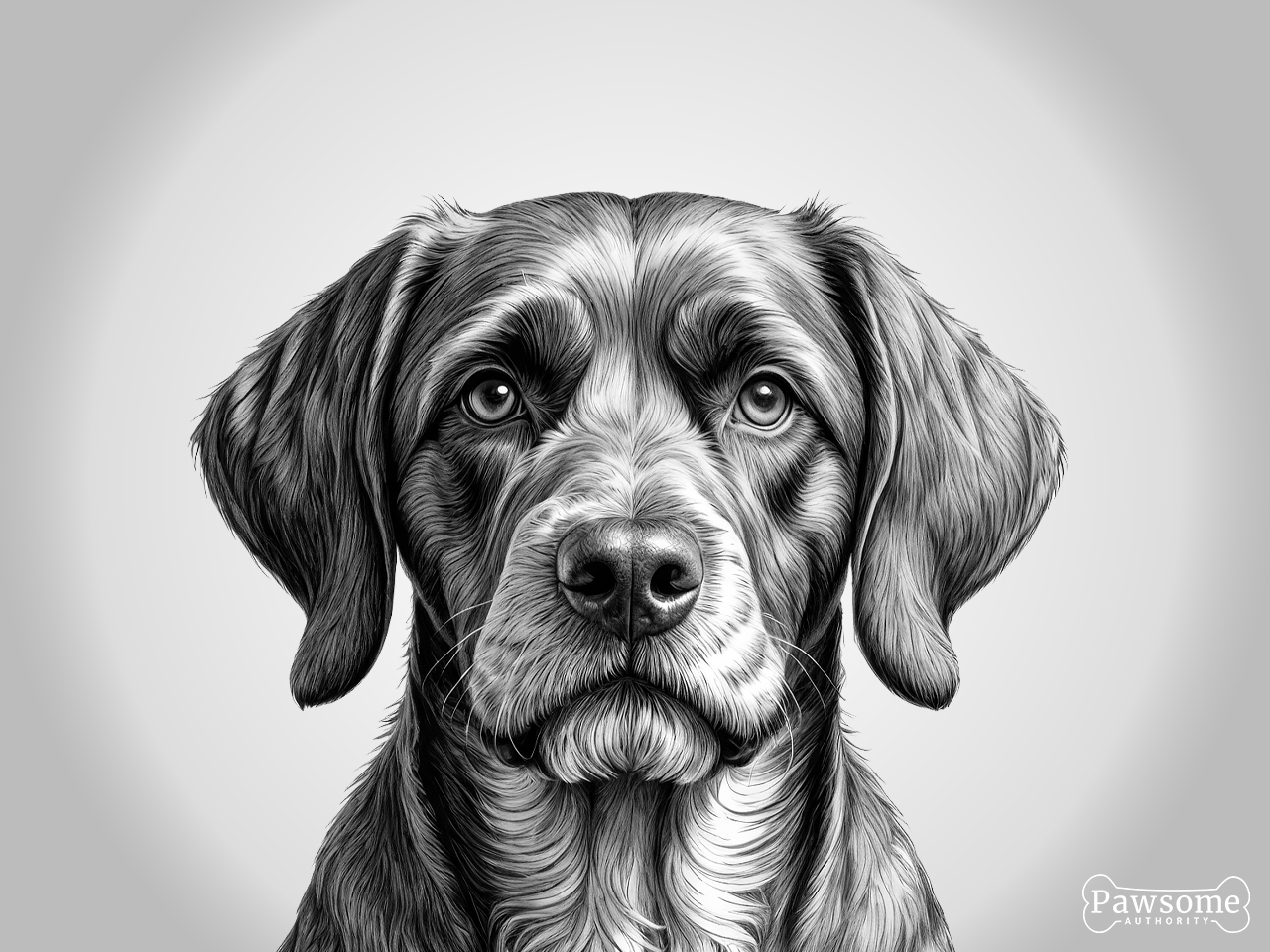
The Wirehaired Pointing Griffon, also known as the Griff, is a medium-sized, muscular sporting dog known for its rough wiry coat and skilled hunting abilities. This breed stands 20 to 24 inches (51 to 61 cm) tall and weighs between 35 to 70 pounds (16 to 31.5 kg). With a life expectancy of 12 to 14 years, they may face certain health conditions.
Griffs are loyal, friendly, and intelligent, making them excellent companions for families with children and other pets. They have high energy levels and a strong need for mental stimulation, thriving in active households that offer plenty of exercise and training opportunities. Ideally, they live in a home with a spacious yard.
Origin & History
Breed:
Pronunciation:
Other Name(s):
Origin:
Group:
Suggested Names (Male):
Suggested Names (Female):
The Wirehaired Pointing Griffon originated in the Netherlands and France in the 19th century. The breed’s name comes from the French word “griffon,” referring to its wiry coat, and its historical role as a pointer and hunter. This versatile dog was bred for its hunting ability.
Initially developed by crossing the Griffon Nivernais with the German Wirehaired Pointer, various Spaniels, and Setters, the Griff was designed for pointing, hunting, and retrieving waterfowl. This breeding aimed to create a dog that excelled in tracking and water games.
Throughout history, the Griff has been valued for its hunting abilities. Industrialization led to a decline in hunting, but the breed maintained popularity among enthusiasts. In light of fluctuations, its hunting skills and friendly nature ensure its place in many homes.
Over time, the Wirehaired Pointing Griffon evolved into a dog suited for companionship and showing, while still maintaining its original hunting skills. Its temperament is loyal, energetic, and intelligent, making it a well-rounded pet.
The breed gained formal recognition by the American Kennel Club (AKC) in 1887, the United Kennel Club (UKC) in 1936, and the Fédération Cynologique Internationale (FCI) in 1954. These recognitions solidified the Griff’s standing in the canine world.
Appearance & Characteristics
Size:
Height (Male):
Height (Female):
Weight (Male):
Weight (Female):
Coat Length:
Coat Type:
Double Coat:
Hypoallergenic:
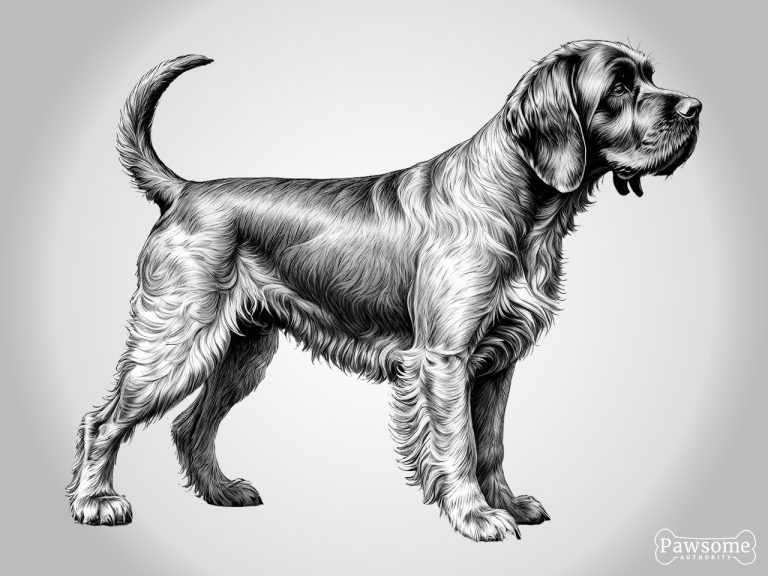
The Griff is a medium-sized dog with a muscular build. Males stand 22 to 24 inches (56 to 61 cm) tall, and females are 20 to 22 inches (51 to 56 cm). Males weigh 50 to 70 pounds (22.5 to 31.5 kilograms), while females weigh 35 to 70 pounds (16 to 31.5 kilograms).
This breed has a medium-length, wiry double coat that comes in various colors, including steel gray, brown, and chestnut brown. They may also have brown markings or liver patches. Although not hypoallergenic, their coat helps protect them in various climates.
Griffs have an expressive bearded face, broad rectangular head, and medium, straight muzzle. Their noses are brown, and they have yellow or brown eyes. The breed’s ears are medium-length and floppy, giving them a distinctive appearance.
Their muscular neck is of moderate length, with well-laid-back shoulders and strong angulation. The body is sturdy, with a moderately deep chest and level back. Their tails are docked or saber-shaped, adding to their distinctive silhouette.
Temperament & Behavior
Affection:
Playfulness:
Protectiveness:
Territoriality:
Prey Drive:
Barking:
With Children:
With Adults:
With Dogs:
With Pets:
With Strangers:
The Wirehaired Pointing Griffon is affectionate, playful, and intelligent. They are protective and territorial, making them good watchdogs. While they bark occasionally, they are friendly towards strangers and enjoy social interactions.
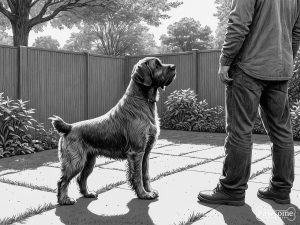
Griffs are intelligent and eager to please, making them trainable with consistent guidance. They require an owner with some experience, as they can be slightly stubborn. First-time owners may find them challenging because of their need for mental and physical stimulation.
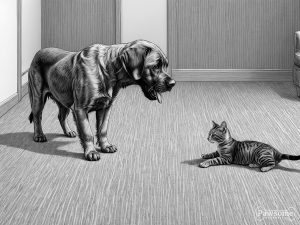
These dogs are great with children, showing affection and playfulness. While they get along with other pets, early socialization is important to manage their prey drive. Griffs are friendly with adults and warm up to strangers quickly.
Training & Exercise
Energy:
Intelligence:
Mental Stimulation:
Obedience:
Trainability:
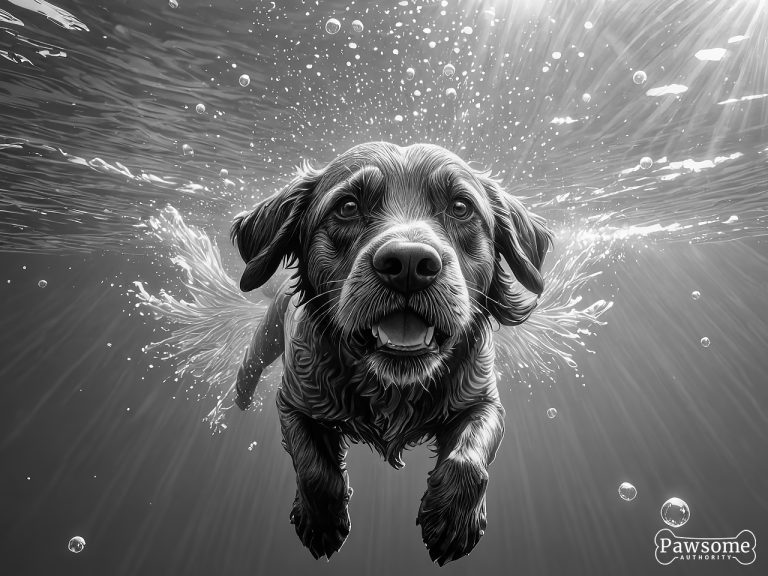
Wirehaired Pointing Griffons require both physical and mental stimulation to thrive. With high intelligence and energy levels, they need activities like running, hiking, and swimming to stay engaged. Boredom can lead to behavioral issues, so keep them busy. Daily exercise should total 60 to 90 minutes, including high-intensity activities.
Sample Wirehaired Pointing Griffon daily activity schedule:
- Morning: 30-minute brisk walk or jog
- Afternoon: 20-minute scent work or obedience training session
- Evening: 20-minute swim or fetch session
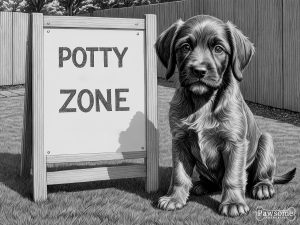
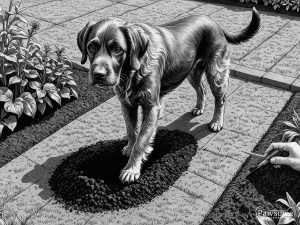
Wirehaired Pointing Griffon socialization, Wirehaired Pointing Griffon potty training, Wirehaired Pointing Griffon obedience training, and Wirehaired Pointing Griffon behavior training are essential for Griffs. Start these early to ensure they develop good habits. Consistent training helps them become well-mannered companions.
Grooming & Maintenance
Shedding:
Grooming:
Drooling:
Wirehaired Pointing Griffons have a low shedding rate with minimal seasonal variation. Regular grooming is necessary to maintain their wiry coat. General care for Griffs includes brushing, bathing, nail clipping, ear cleaning, and teeth cleaning.
Typical Wirehaired Pointing Griffon grooming and care schedule:
- Brushing: Every 4 to 5 days with a slicker brush and de-shedding tool
- Bathing: Every 6 to 8 weeks with dog-friendly shampoo
- Nail clipping: Every 3 to 4 weeks with plier or guillotine-style clippers
- Ear cleaning: Weekly or twice weekly with cotton balls or gauze and a dog-friendly ear cleaner
- Teeth cleaning: 2 to 3 times a week with a dog-specific toothbrush
Health & Lifespan
Lifespan:
Health Issues:
Dental Issues:
Ear Issues:
Eye Issues:
Griffs have a life expectancy of 12 to 14 years. They are predisposed to certain health issues like Hip Dysplasia, Elbow Dysplasia, Hypothyroidism, Progressive Retinal Atrophy, and Gastric Dilatation-Volvulus.
Other health conditions Wirehaired Pointing Griffons are susceptible to include:
Griffs have well-aligned teeth that are not prone to dental issues, but regular brushing is still recommended. Their floppy ears can trap moisture, leading to infections, so clean them often. Eye problems like PRA, entropion, and ectropion are also a concern.
Routine veterinary visits are essential for maintaining a Griff’s health. Preventive care and early intervention can help manage potential issues. Tailored care makes sure their unique needs are met.
Breed Suitability
Experience Level:
First-Time Owner:
Apartment Living:
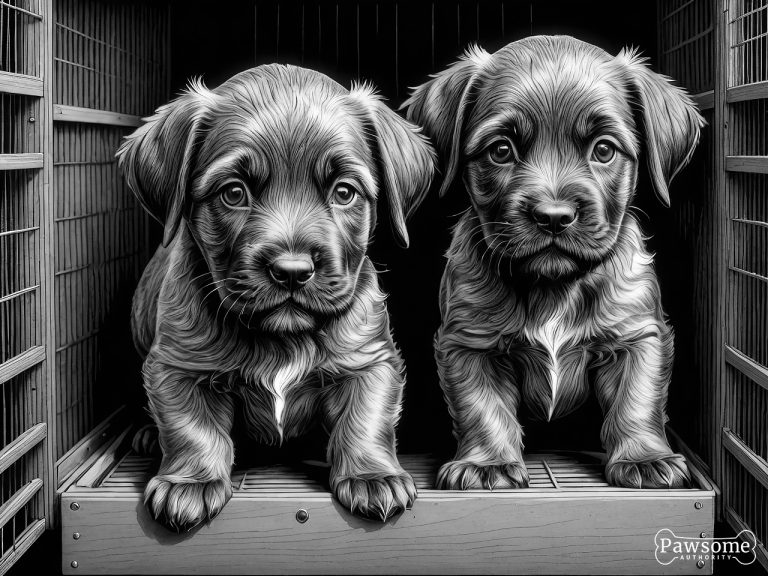
Wirehaired Pointing Griffons suit active owners who enjoy outdoor activities and training. They need mental stimulation and regular grooming. Their intelligence and energy levels align well with families who can meet their exercise requirements.
While Griffs are eager to please and trainable, they show stubbornness. Owners with experience in training are best suited for this breed. First-time dog owners may find them challenging because of their energetic nature.
Affectionate and playful, Griffs make excellent family pets. They are protective yet not overly territorial, forming strong bonds with children and pets. Early socialization ensures they integrate well into family life.
Griffs are medium-sized dogs that thrive in homes with spacious yards. They adapt to various climates but prefer moderate to cool conditions. While apartment living is not ideal, they can adjust with ample exercise and mental stimulation.
Frequently Asked Questions
Are Wirehaired Pointing Griffons Good with Children?
Yes, Griffs are good with children. They are affectionate and playful, making them ideal companions for families. Their protective nature ensures they are gentle and caring around kids, providing a nurturing environment.
Are Wirehaired Pointing Griffons Good with Other Pets?
Yes, Griffs can be good with other pets. While they are slightly territorial, early Wirehaired Pointing Griffon socialization helps them coexist peacefully. Introducing them to other pets gradually ensures a harmonious relationship.
Are Wirehaired Pointing Griffons Good for First-Time Dog Owners?
No, Griffs are rarely recommended for first-time dog owners. Their need for Wirehaired Pointing Griffon obedience training, combined with their stubbornness, requires an experienced handler. Consistent guidance helps unlock their full potential.
Do Wirehaired Pointing Griffons Shed a Lot?
Griffs do not shed a lot. Their shedding rate is low, with minimal seasonal variation. Regular brushing every 4 to 5 days helps manage their grooming needs and keeps their coat healthy.
Do Wirehaired Pointing Griffons Bark a Lot?
No, Griffs do not bark excessively. While they have moderate vocal tendencies, they can be trained to reduce barking. Regular Wirehaired Pointing Griffon behavior training ensures they have appropriate responses to different stimuli.
Can Wirehaired Pointing Griffons Live In an Apartment?
Griffs are not ideal apartment dogs because of their size and energy levels. They thrive in homes with spacious yards. However, with enough daily activity and mental stimulation, they can adapt to smaller living spaces.
Can Wirehaired Pointing Griffons Be Left Alone for Long Periods?
No, Griffs should not be left alone for long periods. They may develop separation anxiety. Gradual separation training and low-key arrivals and departures help, and a dog sitter or daycare is advisable when extended absences are necessary.
Can Wirehaired Pointing Griffons Swim?
Yes, Griffs can swim well. Their swimming ability is high, but supervision is essential to ensure safety. Avoid forcing them into the water and always prioritize their comfort and security during swimming activities.