The Miniature Poodle, known for its intelligence and lively nature, is a small, athletic dog. They stand between 11 to 15 inches (28 to 38 centimeters) tall and weigh 10 to 15 pounds (4.5 to 7 kilograms). With a life expectancy of 13 to 16 years, they may face certain health conditions.
Miniature Poodles are energetic, playful, and affectionate, making them great companions for children and other pets. They are highly intelligent and require mental stimulation. Their energy levels suit active owners who live in urban areas or homes with fenced yards.
Origin & History
Breed:
Pronunciation:
Other Name(s):
Origin:
Group:
Suggested Names (Male):
Suggested Names (Female):
The Miniature Poodle originated in Germany during the 16th century. Its name comes from “pudel,” a German word meaning to splash, highlighting its role as a waterfowl retriever. This breed was known for its intelligence and ability to work in water.
Miniature Poodles were developed from the larger Standard Poodle and various small water dogs. Historically, they served as companions and assisted in hunting and retrieving waterfowl. Their versatility and intelligence made them popular for many tasks.
Throughout history, Miniature Poodles have been influential, especially during industrialization. They rose in popularity for their companionship and utility. However, their roles evolved as society changed, leading to their current status as popular pets.
As time went on, the Miniature Poodle’s purpose shifted, focusing more on companionship, showing, and therapy work. Their temperament remained sociable and curious, traits that make them excellent therapy dogs and family pets.
The Miniature Poodle gained recognition from major organizations, including the American Kennel Club (AKC) in 1887, the United Kennel Club (UKC) in 1914, and the Fédération Cynologique Internationale (FCI) in 1955. These affiliations solidified their status globally.
Appearance & Characteristics
Size:
Height (Male):
Height (Female):
Weight (Male):
Weight (Female):
Coat Length:
Coat Type:
Double Coat:
Hypoallergenic:
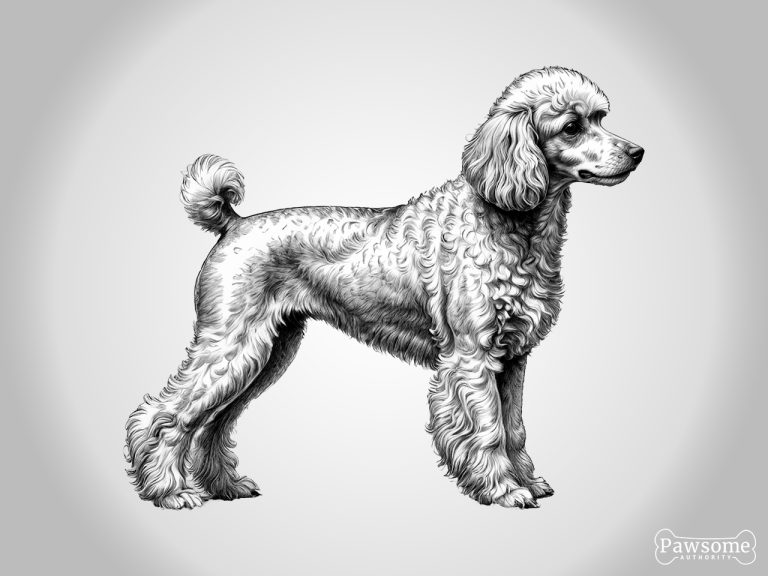
The Miniature Poodle is a small, athletic breed with a balanced, well-proportioned body. Males stand 12 to 15 inches (30.5 to 38 centimeters) tall, while females are slightly shorter at 11 to 14 inches (28 to 35.5 centimeters). Males weigh 12 to 15 pounds (5.5 to 7 kilograms) and females weigh 10 to 13 pounds (4.5 to 6 kilograms).
Their long, curly coat comes in various colors, including apricot, black, blue, and white. Miniature Poodles do not have a double coat and are hypoallergenic. Their coats can be multi-patterned, with markings like phantom or abstract, adding to their unique appearance.
Miniature Poodles have a gentle, expressive face with a long, narrow head and a straight muzzle. Their nose, either black or brown/liver, complements their dark brown or dark amber eyes. Their medium-length, floppy ears add to their charming look.
With a long, slender neck and well-laid-back shoulders, the Miniature Poodle boasts a balanced, level body. Their medium-length tail, which can be docked or curly, completes their elegant appearance.
Temperament & Behavior
Affection:
Playfulness:
Protectiveness:
Territoriality:
Prey Drive:
Barking:
With Children:
With Adults:
With Dogs:
With Pets:
With Strangers:
Miniature Poodles are energetic and curious, with a sociable and intelligent nature. They are affectionate and playful, making them well-suited to family life. While they are not overly protective, they have territorial instincts and can be vocal.
These dogs are highly intelligent and eager to please, making them easy to train. They can be stubborn but are highly obedient. Their sensitivity means they respond best to positive reinforcement. They are suitable for first-time owners.
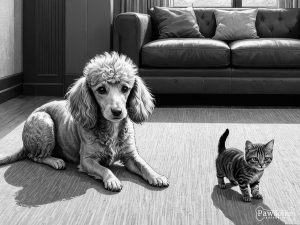
Miniature Poodles are excellent with children, other dogs, and pets. They enjoy social interactions and have a moderate prey drive. They are friendly with adults and strangers, making them great companions in diverse social settings.
Training & Exercise

Energy:
Intelligence:
Mental Stimulation:
Obedience:
Trainability:
Miniature Poodles require both physical and mental stimulation. Their intelligence and energy levels mean they thrive on activities like walking, playing, and agility training. Boredom can lead to undesirable behaviors, so keeping their minds engaged is important. Daily exercise should total 45 to 60 minutes of moderate-intensity activities.
Sample Miniature Poodle daily activity schedule:
- Morning: 15-minute brisk walk
- Afternoon: 20-minute obedience training or agility session
- Evening: 15-minute playtime session
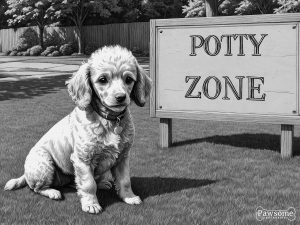
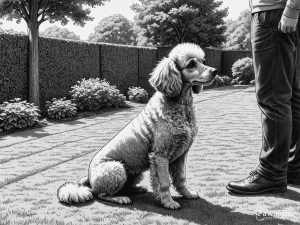
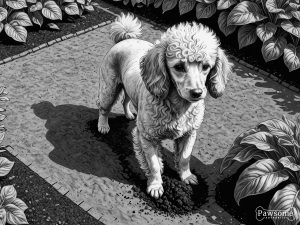
Training should include Miniature Poodle socialization, Miniature Poodle potty training, Miniature Poodle obedience training, and Miniature Poodle behavior training. This well-rounded approach ensures your Poodle develops into a well-mannered companion.
Grooming & Maintenance
Shedding:
Grooming:
Drooling:
Miniature Poodles have a low shedding rate, but their grooming needs are high. Regular grooming helps maintain their coat’s health and appearance. General care for Miniature Poodles includes brushing, bathing, nail clipping, ear cleaning, and teeth cleaning.
Typical Miniature Poodle grooming and care schedule:
- Brushing: Every 2 to 3 days with a slicker brush
- Bathing: Every 4 to 6 weeks with dog-friendly shampoo
- Nail clipping: Every 3 to 4 weeks with plier or guillotine-style clippers
- Ear cleaning: Weekly or twice weekly with cotton balls or gauze and a dog-friendly ear cleaner
- Teeth cleaning: 4 to 5 times a week with a dog-specific toothbrush
Health & Lifespan
Lifespan:
Health Issues:
Dental Issues:
Ear Issues:
Eye Issues:
Miniature Poodles have a life expectancy of 13 to 16 years. They are predisposed to health issues like Canine Obesity, Cataracts, Patellar Luxation, Progressive Retinal Atrophy, and Mitral Valve Disease.
Other health conditions Miniature Poodles are susceptible to include:
Dental issues are common because of their small jaw, leading to overcrowding. Weekly ear cleaning is necessary to prevent moisture from causing infections. Eye issues may include cataracts and PRA.
Routine veterinary care is important for Miniature Poodles. Regular visits and preventive care help catch potential health issues early, ensuring tailored treatment. Early intervention is key to maintaining a Miniature Poodle’s health.
Breed Suitability

Experience Level:
First-Time Owner:
Apartment Living:
Miniature Poodles fit well into active lifestyles. They require mental stimulation and exercise. Their grooming needs are high, demanding regular attention. They are ideal for urban living, adapting well to both apartments and homes.
Their eagerness to please and high trainability make Miniature Poodles suitable for first-time dog owners. While they are intelligent, their stubbornness means they benefit from consistent and positive training methods.
Miniature Poodles are affectionate and playful, making them excellent family pets. They do well with children and other pets, thanks to their friendly and sociable nature. Their protectiveness and territorial instincts are moderate.
Their small size suits apartment living, but they thrive in homes with fenced yards. Miniature Poodles are adaptable to moderate climates. While they may bark occasionally, they are well-suited to different living situations.
Frequently Asked Questions
Are Miniature Poodles Good with Children?
Yes, Miniature Poodles are good with children. Their affectionate and playful nature makes them excellent companions for kids. They enjoy family activities and are protective without being overly aggressive.
Are Miniature Poodles Good with Other Pets?
Yes, Miniature Poodles are good with other pets. Their sociable nature and territorial instincts mean they get along well with other animals, especially with proper Miniature Poodle socialization.
Are Miniature Poodles Good for First-Time Dog Owners?
Yes, Miniature Poodles are suitable for first-time dog owners. Their high trainability and eagerness to please make them easy to manage. While they can be stubborn, consistent Miniature Poodle obedience training helps.
Do Miniature Poodles Shed a Lot?
Miniature Poodles have a low shedding rate, with minimal seasonal variation. Their grooming needs are high, requiring brushing every 2 to 3 days to maintain their coat’s health.
Do Miniature Poodles Bark a Lot?
No, Miniature Poodles do not bark excessively. While they have vocal tendencies, proper Miniature Poodle behavior training can help manage any excessive barking.
Can Miniature Poodles Live In an Apartment?
Yes, Miniature Poodles can live in an apartment. They adapt well to urban environments, but their energy levels require regular daily activity to keep them content.
Can Miniature Poodles Be Left Alone for Long Periods?
No, Miniature Poodles should not be left alone for long periods. They are prone to separation anxiety. Gradual separation training, along with a dog sitter or daycare, is recommended.
Can Miniature Poodles Swim?
Yes, Miniature Poodles can swim, but supervision is necessary for safety. Ensure they are comfortable and never force them into the water.