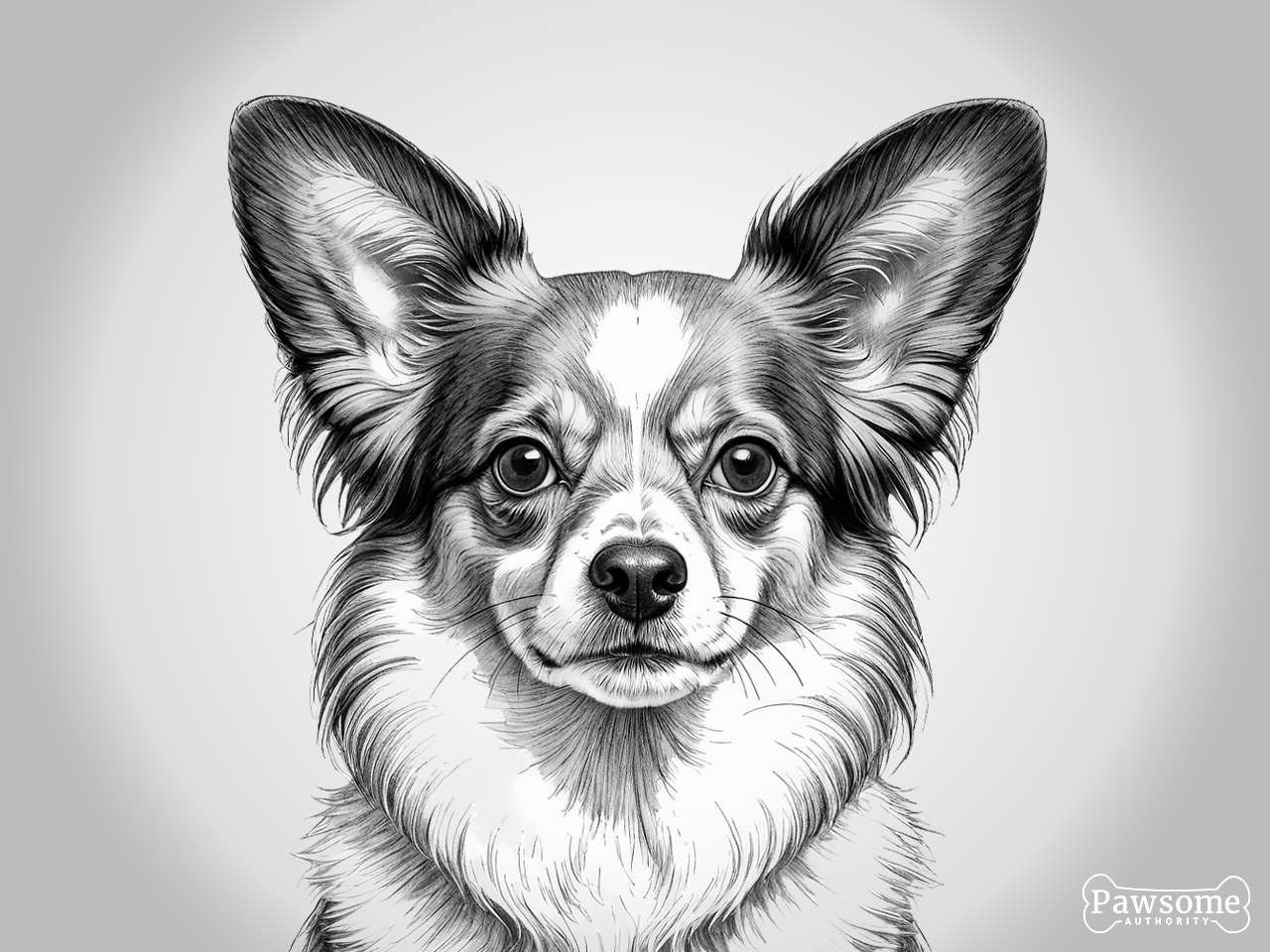
The Papillon, also known as the Pap, is an extra small breed recognized for its butterfly-like ears and lively personality. With a petite build, these dogs stand 8 to 11 inches (20.5 to 28 centimeters) tall and weigh 7 to 10 pounds (3 to 4.5 kilograms). They have a life expectancy of 14 to 16 years and may face certain health conditions.
Energetic and intelligent, Papillons are friendly and sociable. They excel with children and enjoy interacting with other pets, although early socialization is beneficial. With a moderate energy level, these dogs require mental stimulation. Ideal for moderately active owners, they thrive in urban environments.
Origin & History
Breed:
Pronunciation:
Other Name(s):
Origin:
Group:
Suggested Names (Male):
Suggested Names (Female):
Originating in Belgium, France, and Spain during the 16th century, Papillons were bred from the Continental Toy Spaniel and possibly the Italian Greyhound. Their name, derived from the French word “papillon,” reflects their distinctive, butterfly-like ears.
Initially developed for companionship and hunting small game, Papillons were popular among European nobility. Their historical purpose was to provide comfort while showing agility in catching small prey.
Throughout history, Papillons have been depicted in paintings alongside royalty, showcasing their esteemed status. Industrialization influenced their popularity, as these small dogs adapted well to urban living, maintaining a steady presence.
Today, Papillons are valued for their companionship and versatility in dog sports like agility. They have kept their friendly temperament and are primarily companions, though their intelligence and agility make them suitable for competitive events.
The Papillon is recognized by major kennel clubs, including the American Kennel Club (AKC) in 1915, the United Kennel Club (UKC) in 1950, and the Fédération Cynologique Internationale (FCI) in 1954. These recognitions highlight the breed’s long-standing appeal and standardization.
Appearance & Characteristics
Size:
Height (Male):
Height (Female):
Weight (Male):
Weight (Female):
Coat Length:
Coat Type:
Double Coat:
Hypoallergenic:
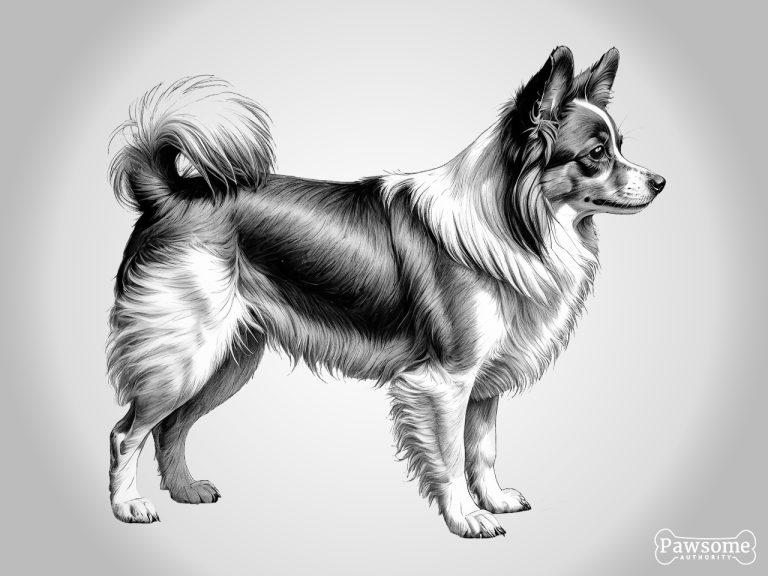
Papillons are extra small with a petite build. Males and females both stand 8 to 11 inches (20.5 to 28 centimeters) in height, with males weighing 8 to 10 pounds (3.5 to 4.5 kilograms) and females 7 to 9 pounds (3 to 4 kilograms).
The Papillon’s coat is medium in length and silky, without a double coat. It comes in parti-color, white with patches of any color, often featuring a white blaze and noseband. Despite not being hypoallergenic, their shedding is manageable with regular grooming.
Their face is fox-like and expressive, with a small, slightly rounded head. The muzzle is medium and tapering, with a black nose. Dark brown eyes complement their medium, erect ears. Papillons have a scissor jaw bite.
Paps have a moderate-length neck, slender and slightly arched. Their shoulders are well laid back with moderate angulation. The body is balanced and compact, with a moderately deep chest and level back. Their medium-length, plumed tail adds to their elegance.
Temperament & Behavior
Affection:
Playfulness:
Protectiveness:
Territoriality:
Prey Drive:
Barking:
With Children:
With Adults:
With Dogs:
With Pets:
With Strangers:
Papillons are known for their energetic and intelligent nature. They show friendliness and alertness, making them affectionate and playful companions. While not highly protective, they can be territorial, expressing themselves with barking tendencies.
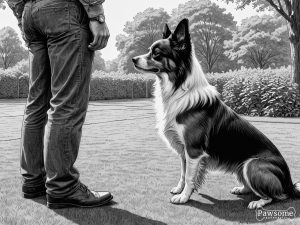
These dogs have high intelligence and are eager to please. They show low stubbornness and high trainability, making them obedient and suitable for first-time owners. Their sensitivity and eagerness to please enhance their training experiences.
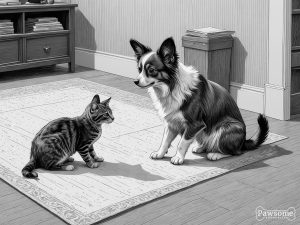
With children, Papillons are highly affectionate and playful, making them excellent family companions. They do well with other dogs and pets, though early socialization helps reduce territoriality and prey drive. With adults and strangers, they are friendly and sociable.
Training & Exercise
Energy:
Intelligence:
Mental Stimulation:
Obedience:
Trainability:
Papillons need both physical and mental stimulation because of their intelligence and energy levels. Engaging them in playful activities, training sessions, and regular walking prevents boredom and keeps them healthy. Daily exercise for a Papillon should include 30 to 45 minutes of moderate-intensity-activities to maintain their physical and mental well-being.
Sample Papillon daily activity schedule:
- Morning: 15-minute leisurely walk
- Afternoon: 10-minute obedience training or playtime session
- Evening: 15-minute leisurely walk
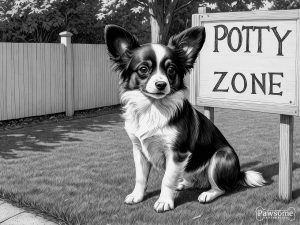
Papillon socialization, Papillon potty training, and Papillon obedience training are important for Papillons. Papillon behavior training should focus on managing their barking tendencies and enhancing their social skills.
Grooming & Maintenance
Shedding:
Grooming:
Drooling:
Papillons have a low shedding rate that increases during spring and fall. Grooming needs are moderate, requiring regular brushing to maintain their silky coat and distribute natural oils. General care for Paps includes brushing, bathing, nail clipping, ear cleaning, and teeth cleaning.
Typical Papillon grooming and care schedule:
- Brushing: Every 4 to 5 days with a slicker brush and de-shedding tool
- Bathing: Every 6 to 8 weeks with dog-friendly shampoo
- Nail clipping: Every 3 to 4 weeks with plier or guillotine-style clippers
- Ear cleaning: Weekly or twice weekly with cotton balls or gauze and a dog-friendly ear cleaner
- Teeth cleaning: 3 to 4 times a week with a dog-specific toothbrush
Health & Lifespan
Lifespan:
Health Issues:
Dental Issues:
Ear Issues:
Eye Issues:
Papillons have a life expectancy of 14 to 16 years. They are predisposed to health issues like Patellar Luxation, Tracheal Collapse, Progressive Retinal Atrophy, Heart Murmurs, and Hypoglycemia.
Other health conditions Papillons are susceptible to include:
Dental issues in Papillons arise from their small jaw, prone to overcrowding. Their erect ears have good air circulation, reducing the risk of infections. However, they are prone to eye issues like PRA and cataracts.
Routine veterinary care for Papillons should focus on routine visits, preventive measures, early intervention, and tailored care to address breed-specific health concerns.
Breed Suitability
Experience Level:
First-Time Owner:
Apartment Living:
Papillons suit moderately active owners who enjoy indoor activities and training. Their intelligence and energy levels align with urban lifestyles, while grooming needs are manageable with regular attention.
Despite their high trainability and eagerness to please, Papillons may show stubbornness. Their suitability for first-time owners lies in their obedience and ease of training, although some experience with dogs is beneficial.
Affectionate and playful, Papillons are excellent family pets, especially with older children. They are protective and territorial enough to create a bond with family members, while early socialization ensures harmony with other pets.
Papillons adapt well to apartment living because of their small size and manageable barking. They thrive in environments that offer moderate climates and opportunities for daily activity, making them perfect companions for urban dwellers.
Frequently Asked Questions
Are Papillons Good with Children?
Yes, the Pap is excellent with children. Their affectionate and playful nature makes them ideal companions. They are protective enough to be watchful but gentle, ensuring a harmonious relationship with young family members.
Are Papillons Good with Other Pets?
Yes, Papillons get along with other pets. While they may be slightly territorial, proper Papillon socialization helps them integrate well with other animals, ensuring a peaceful coexistence in multi-pet households.
Are Papillons Good for First-Time Dog Owners?
Yes, the Pap is suitable for first-time owners because of their high trainability and obedience. Although they show some stubbornness, consistent Papillon obedience training helps them adapt well to novice owners.
Do Papillons Shed a Lot?
Papillons have a low shedding rate, which increases during spring and fall. Their grooming needs are moderate, requiring brushing every 4 to 5 days to maintain a healthy coat and reduce shedding.
Do Papillons Bark a Lot?
No, Papillons do not bark excessively. They show moderate vocal tendencies, which can be managed with Papillon behavior training, ensuring they remain well-mannered companions.
Can Papillons Live In an Apartment?
Papillons are highly suited for apartment living. Their small size and adaptability make them perfect for urban environments, provided they receive adequate daily exercise.
Can Papillons Be Left Alone for Long Periods?
No, Papillons are prone to separation anxiety. Gradual separation training and low-key arrivals/departures help ease this anxiety. Hiring a dog sitter or using doggy daycare can be beneficial.
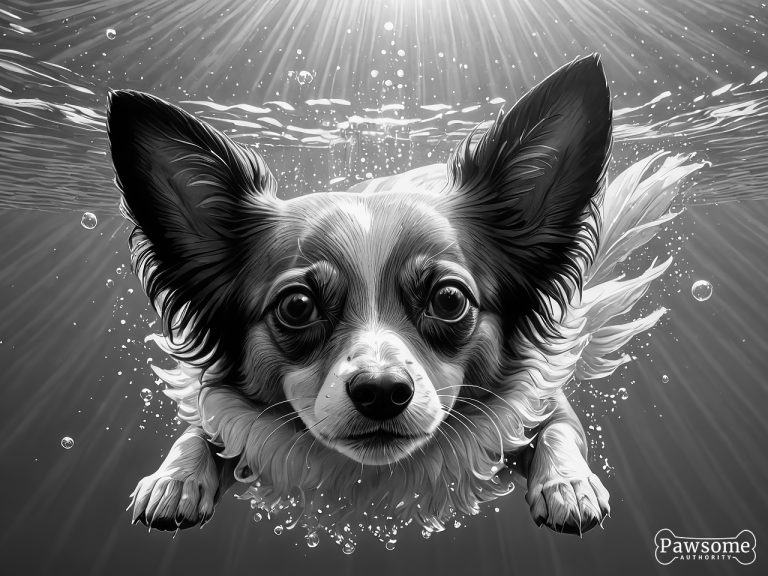
Can Papillons Swim?
No, Papillons are not natural swimmers. Supervision and safety measures are necessary around water. They should not be forced to swim, as their swimming ability is limited.